Nasal breathing is better than mouth breathing.
Nasal breathing filters out dust and small particles from the air before they reach the lungs. The nasal cavity also warms and humidifies the air, helping to protect the respiratory tract from irritation.
According to Health line, nasal breathing can help maintain a stable breathing rhythm, reduce dry mouth, and support more efficient oxygen utilization by the body. This type of breathing is also linked to a relaxed state, which improves sleep quality. Individuals who habitually breathe through their mouths at night are more prone to snoring, interrupted sleep, and a higher risk of sleep apnea.
Shortness of breath can be a warning sign of illness.
Shortness of breath can indicate various respiratory conditions, such as asthma, pneumonia, chronic obstructive pulmonary disease (COPD), or respiratory infections. In some cases, anemia, obesity, prolonged anxiety, or severe allergic reactions can also cause a feeling of breathlessness. If shortness of breath occurs suddenly, becomes severe, or is accompanied by chest pain, individuals should seek early medical attention to determine the cause.
Many diseases cause bad breath.
Bad breath often originates from bacteria in the oral cavity. When food debris, plaque, and dead cells accumulate on teeth, gums, or the tongue, bacteria break them down, producing unpleasant-smelling compounds. Dry mouth, cavities, gingivitis, tonsillitis, or poor oral hygiene are also common causes.
In some cases, unusual breath odor may be linked to conditions such as sinusitis, gastroesophageal reflux disease (GERD), diabetes, liver disease, or kidney disease. If this condition persists despite proper oral hygiene, you should seek medical evaluation to identify the cause, according to Verywell Health.
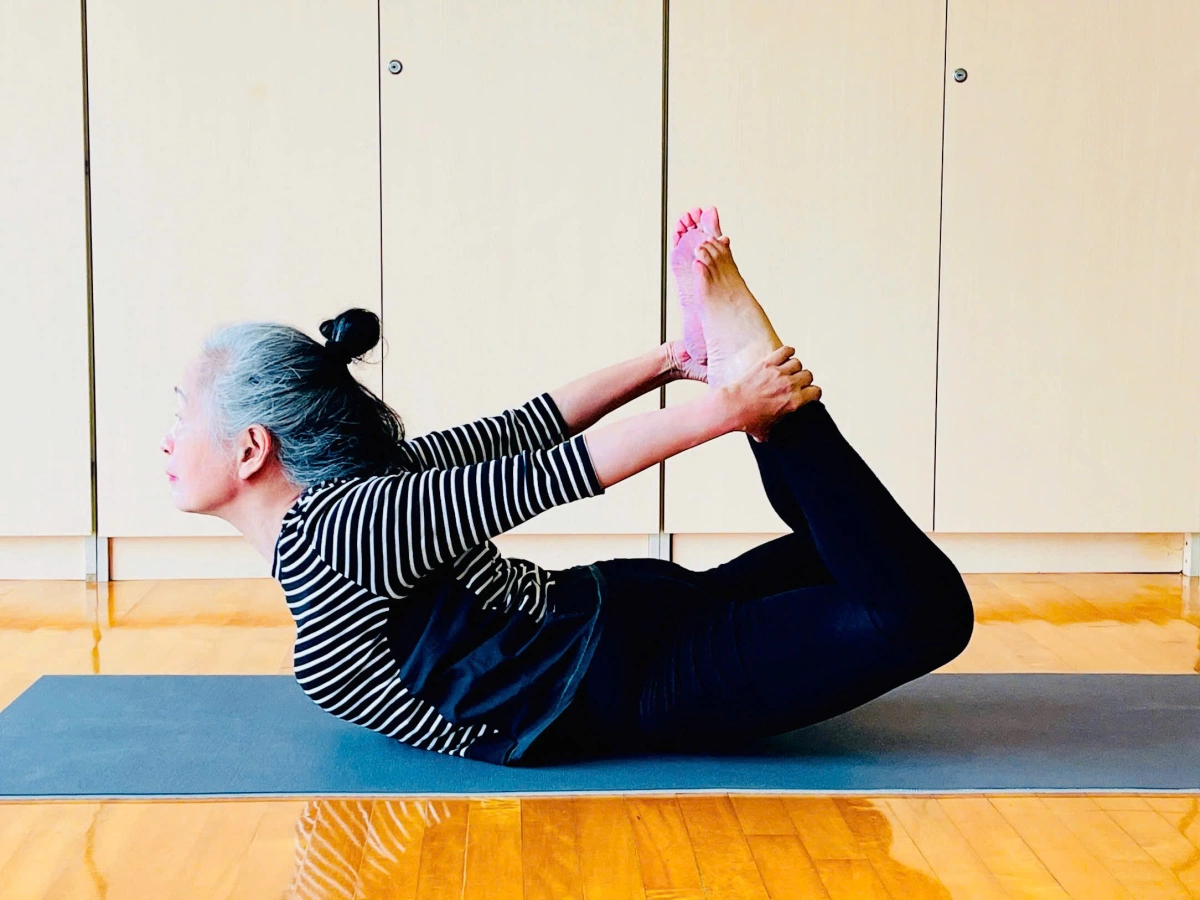 |
Practicing yoga helps clear the airways. Photo: Bao Bao |
Exercise helps improve breathing.
Activities such as walking, swimming, cycling, and yoga can help improve respiratory function, increase oxygen exchange, and enhance physical fitness. Yoga is chosen by many due to its combination of gentle movement and breath regulation techniques.
Exercises often focus on deep, slow, and even breathing, which helps strengthen diaphragmatic activity and chest flexibility. As a result, the body can utilize oxygen more efficiently and reduce the sensation of shallow breathing in some individuals.
Beyond benefits for the respiratory system, breathing exercises in yoga can also help reduce stress, relax the nervous system, and support heart rate regulation. Maintaining regular practice contributes to improved endurance and better sleep.
Le Nguyen (Compiled)
| Readers can submit questions about respiratory illnesses here for doctors to answer. |