The World Cup spans nearly a month with dozens of matches, many of which kick off late at night or early in the morning according to Vietnam time. This leads many fans to stay up late continuously to follow the games. Disrupted sleep, irregular eating habits, and intense emotions while watching football can increase the risk of high blood pressure, heart rhythm disorders, and even stroke in individuals with underlying health conditions.
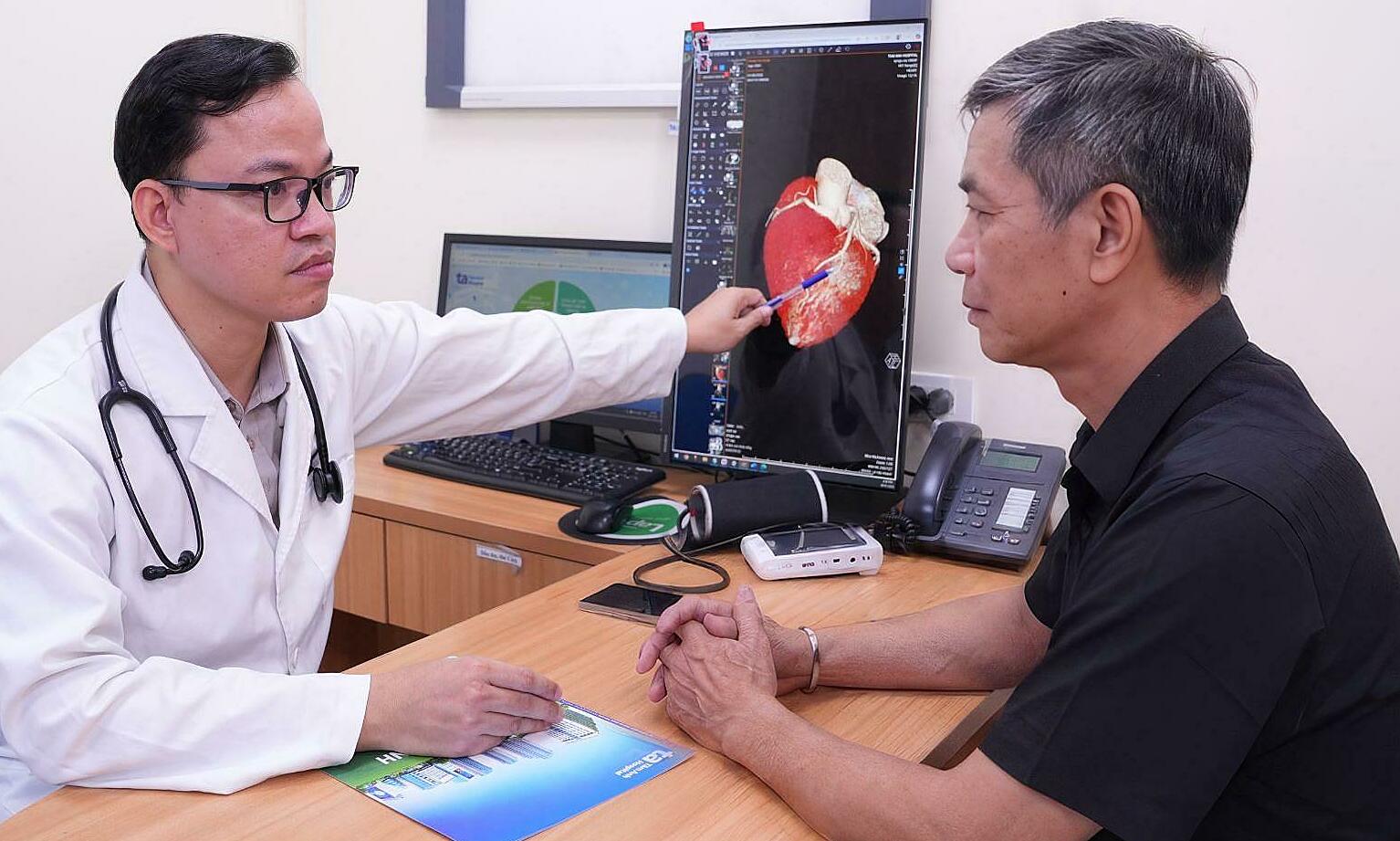
Doctor Vo Hong Minh Cong, Deputy Director of Nhan Dan Gia Dinh Hospital, stated that prolonged late-night watching during the World Cup season can significantly affect the body's circadian rhythm. Matches held in Europe and the Americas often fall during late-night or early morning hours in Vietnam, compelling many to sacrifice sleep to follow them.
"The World Cup features dozens of matches, almost daily. If you stay up continuously to watch throughout the entire season, your body will easily become exhausted," Doctor Cong said.
According to him, prolonged late-night hours combined with irregular eating habits are factors that alter the biological clock, promoting metabolic disorders, high blood pressure, and changes in heart rate. This also explains why the risk of brain stroke and myocardial infarction can increase in individuals with pre-existing conditions or cardiovascular risk factors.
However, the doctor does not advise fans to give up football. "This is the king of sports, and watching good matches is a legitimate need," he stated, emphasizing the importance of watching responsibly to avoid health impacts.
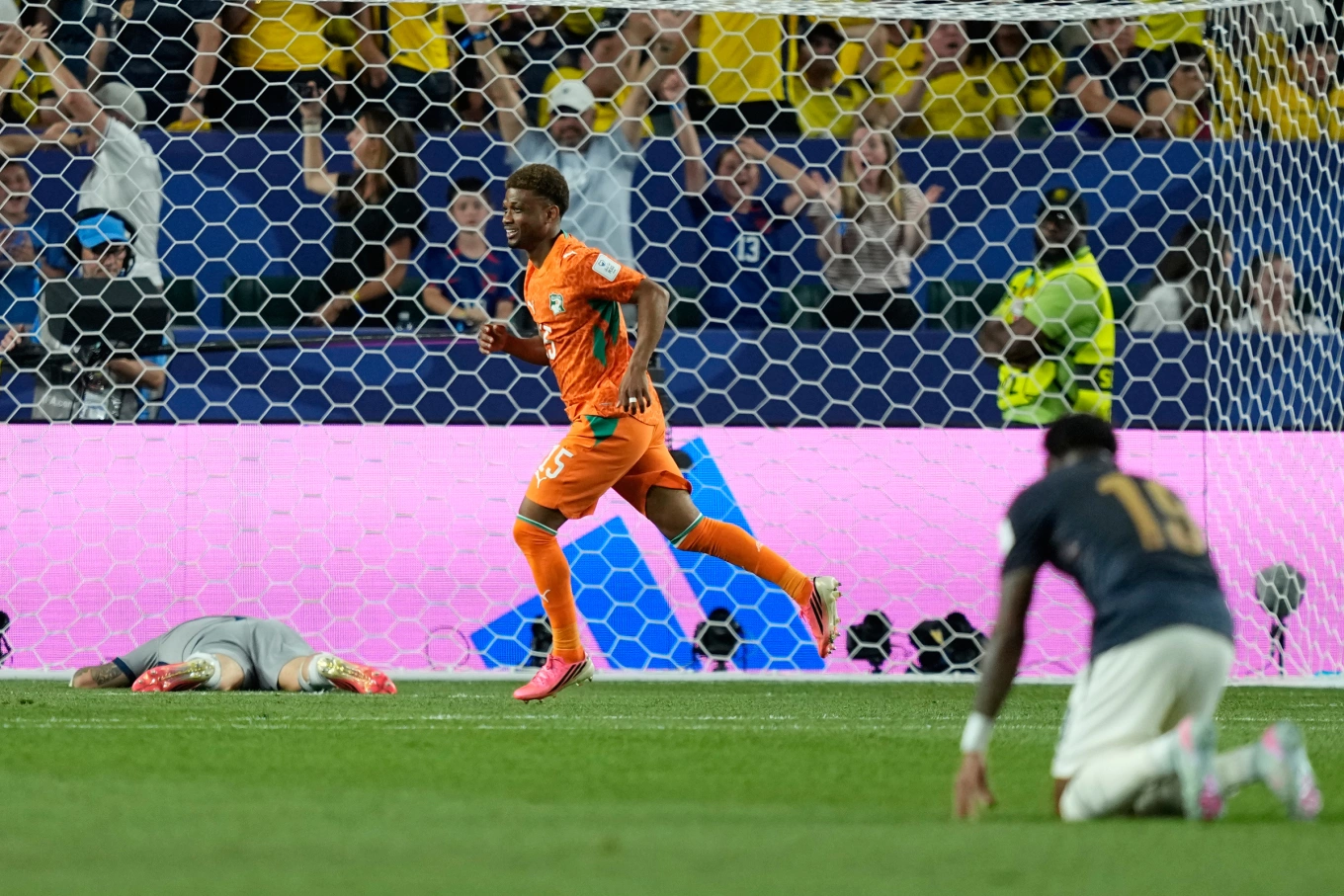 |
A moment from the 1-0 victory against Ecuador in the opening match of World Cup 2026 Group E, played at Philadelphia, US on 14/6/2026. *Photo: AP* |
The first piece of advice is to avoid watching too many matches. Fans should select truly favorite or important games instead of attempting to stay up throughout the entire season. According to Doctor Cong, continuous late-night watching for several weeks can lead to an increase in cardiovascular issues after the football season concludes.
Additionally, viewers should get one to two hours of compensatory sleep before a match, especially if they still need to work or study during the day. Working all day and then staying up late to watch football will lead to body fatigue, increased stress, and put pressure on the cardiovascular system.
Between matches or during halftime, viewers should also take the opportunity to relax instead of continuing to follow commentary or maintaining prolonged tension. Extreme emotions, such as anxiety or anger when a favorite team loses, can cause a sudden spike in blood pressure for individuals with underlying health conditions.
Individuals with high blood pressure and cardiovascular disease must maintain their medication schedule. According to Doctor Cong, many become too excited watching football and forget their evening medication, leading to a sudden surge in blood pressure when experiencing strong emotions or anger over match results, thereby increasing the risk of stroke.
Furthermore, excessive alcohol consumption and fatty foods are habits that should be limited during the football season. "Many people experience highs and lows with the matches and then drink excessively, which not only affects cardiovascular health but also increases the risk of stomach and liver diseases," the doctor stated.
Experts advise individuals with a history of high blood pressure, heart rhythm disorders, or coronary artery disease to exercise particular caution when watching late-night football, ensuring that the enjoyment of the sport does not become a burden on their health.
Le Phuong