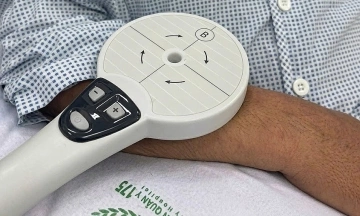
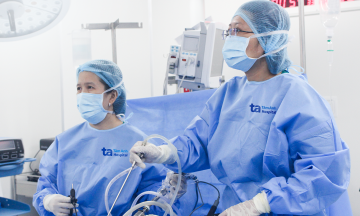
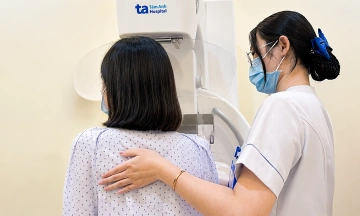
This policy is part of a resolution outlining specific measures for the development of the capital's healthcare system. It was approved by the Hanoi People's Council at a special session on 15/6 and became effective from 1/7. The initiative aims to encourage licensed specialists, doctors, and technicians to provide professional support to grassroots level facilities. The support level is directly based on the professional qualifications of the rotating personnel.
Specifically, professors and associate professors receive the highest amount, 20 million dong per month. Doctors with PhDs and specialist doctor II degrees receive 17 million dong. Masters degree holders, resident doctors, and specialist doctor I degree holders receive 12 million dong, while other doctors receive 10 million dong. For nurses, midwives, and medical technicians, the support ranges from 6 to 8 million dong, depending on whether they hold a college or university degree.
To receive this remuneration, medical personnel must complete a continuous rotation of at least one month and fulfill the planned working period. The city expects that high-quality human resources from major hospitals will enhance the examination and treatment capabilities of grassroots level healthcare, thereby narrowing the gap in treatment quality across different levels.
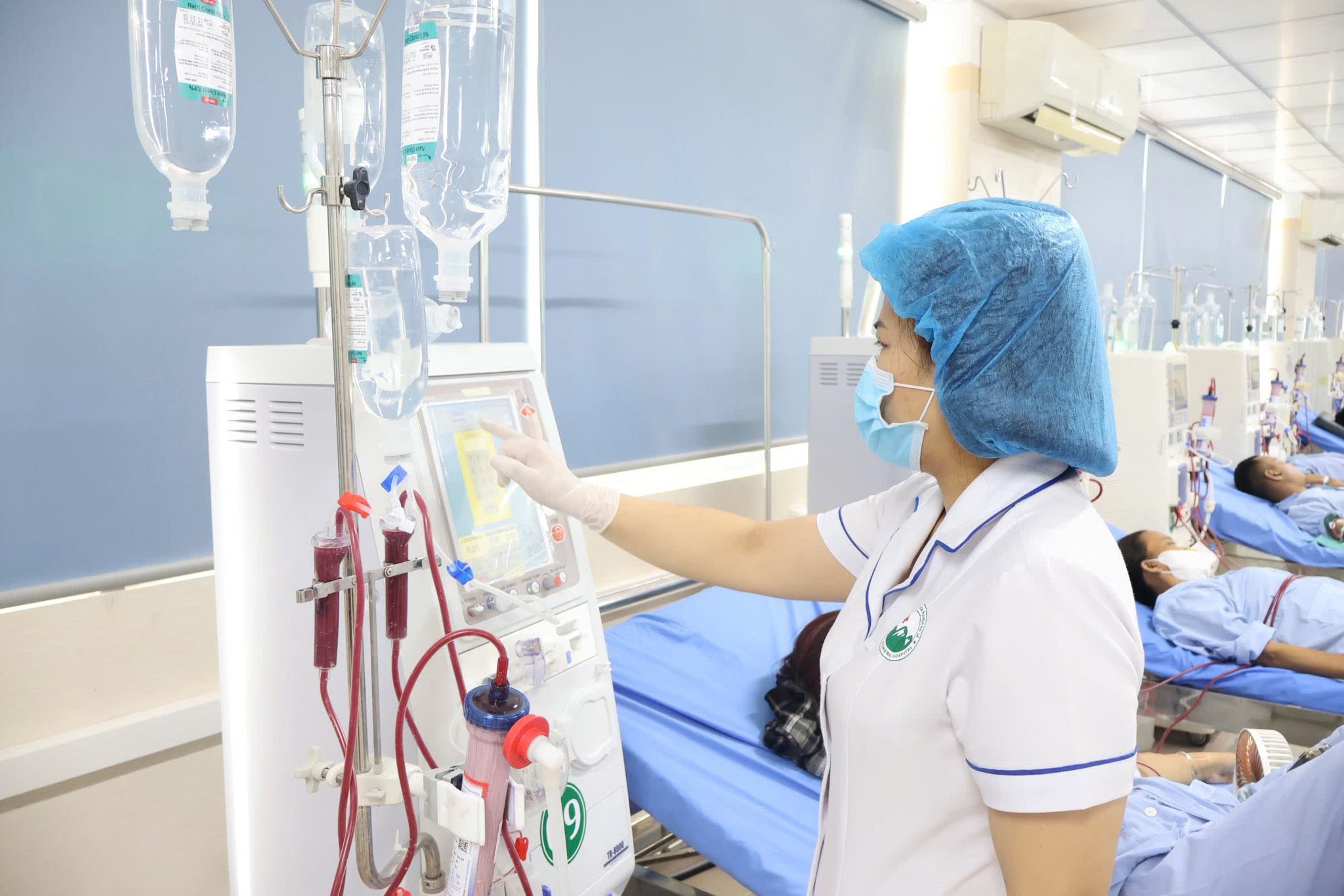 |
Hanoi medical staff monitor a dialysis patient. Photo: Dieu Linh |
Hanoi medical staff monitor a dialysis patient. Photo: Dieu Linh
Beyond the rotation scheme, Hanoi also implements attractive incentives to draw personnel to the 115 Emergency Center and local health stations. Individuals with a masters degree, resident doctor, or specialist doctor I degree or higher, upon initial recruitment, can receive a one-time support payment up to 100 times the region I minimum wage, coupled with a commitment to work for at least 5 years.
Staff at the 115 Emergency Center specifically receive an additional 5 million dong per month to compensate for the unique pressures of their work. Furthermore, the city allows healthcare facilities to spend from 500,000 dong to 2 million dong for each session inviting experts for training or technology transfer.
This comprehensive policy system is a key solution for the capital to address personnel shortages in specialized positions. It also aims to strengthen the closest healthcare network to the public as part of Hanoi's universal healthcare strategy.
Le Nga