 |
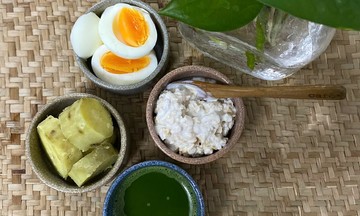
Eggs
Moderate egg consumption, about one to two eggs daily or two to three eggs weekly, benefits individuals with high blood pressure. If cholesterol is a concern, consider using egg whites. They provide protein without cholesterol or saturated fat. Preparing eggs with diced bell peppers, spinach, and mushrooms adds potassium, fiber, and other vital nutrients. Avoid excessive salt and cheese on omelets.
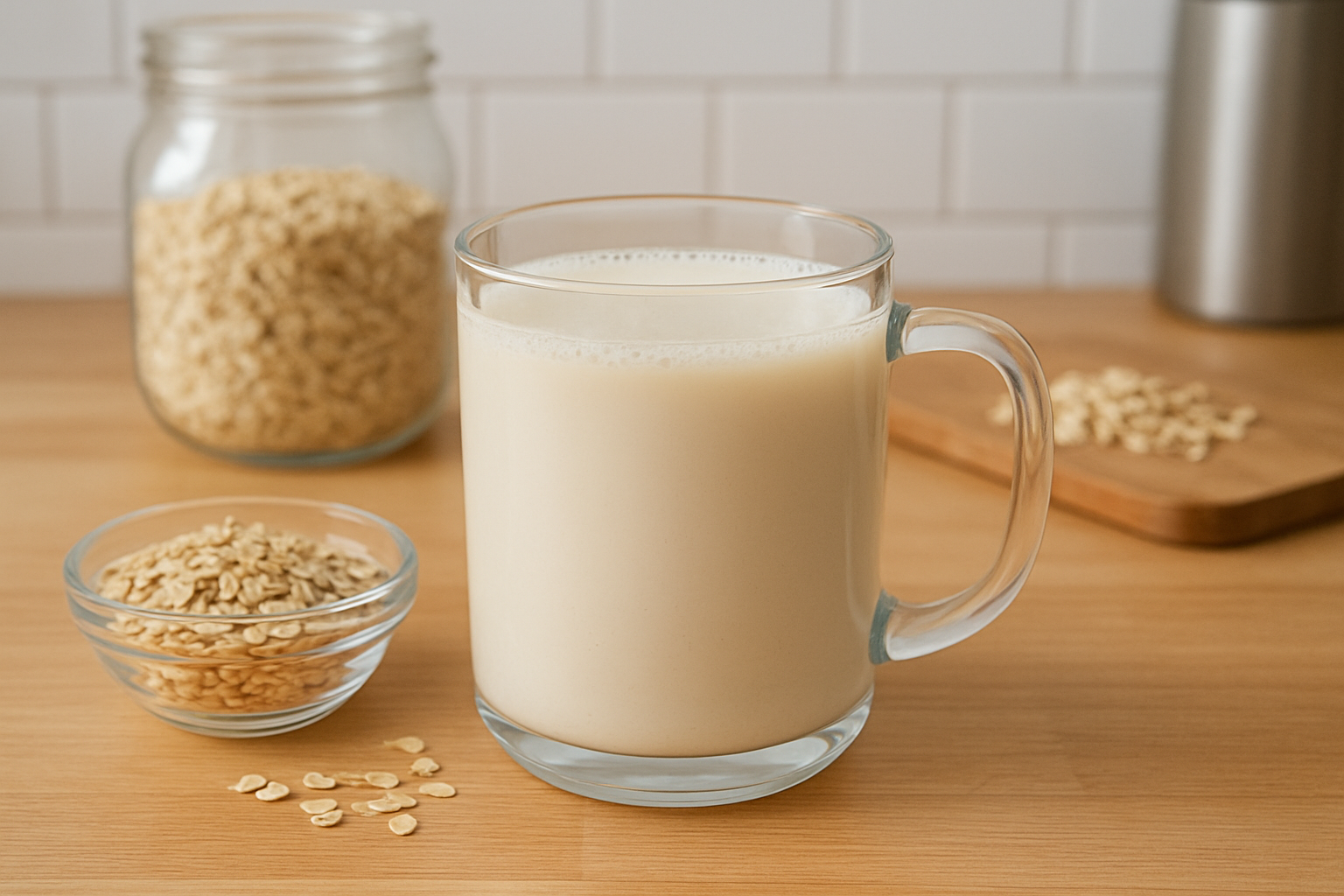 |
Oatmeal
Oatmeal helps reduce blood pressure by providing beta-glucan soluble fiber, which lowers bad cholesterol and improves heart health. This food also regulates blood sugar levels, decreasing the risk of type 2 diabetes. Oatmeal can be enjoyed in various ways, typically cooked with boiling water or milk for a hot meal, or mixed with fruits and yogurt.
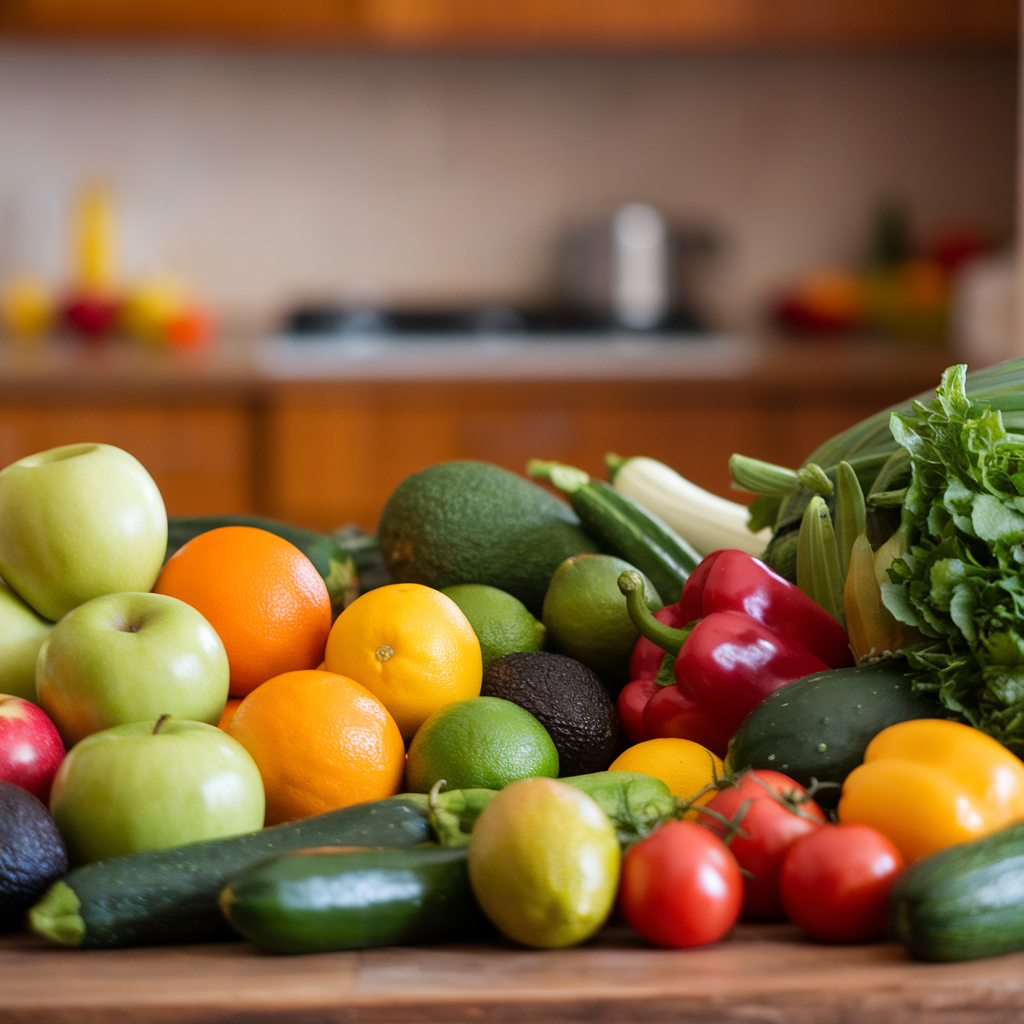 |
Fruits
Many fruits are rich in potassium, which helps lower blood pressure. Nutritional guidelines recommend a daily intake of 3,500 to 5,000 milligrams (mg), ideally from food sources. Individuals with chronic kidney disease or those taking certain medications that require potassium monitoring should exercise caution with supplementation.
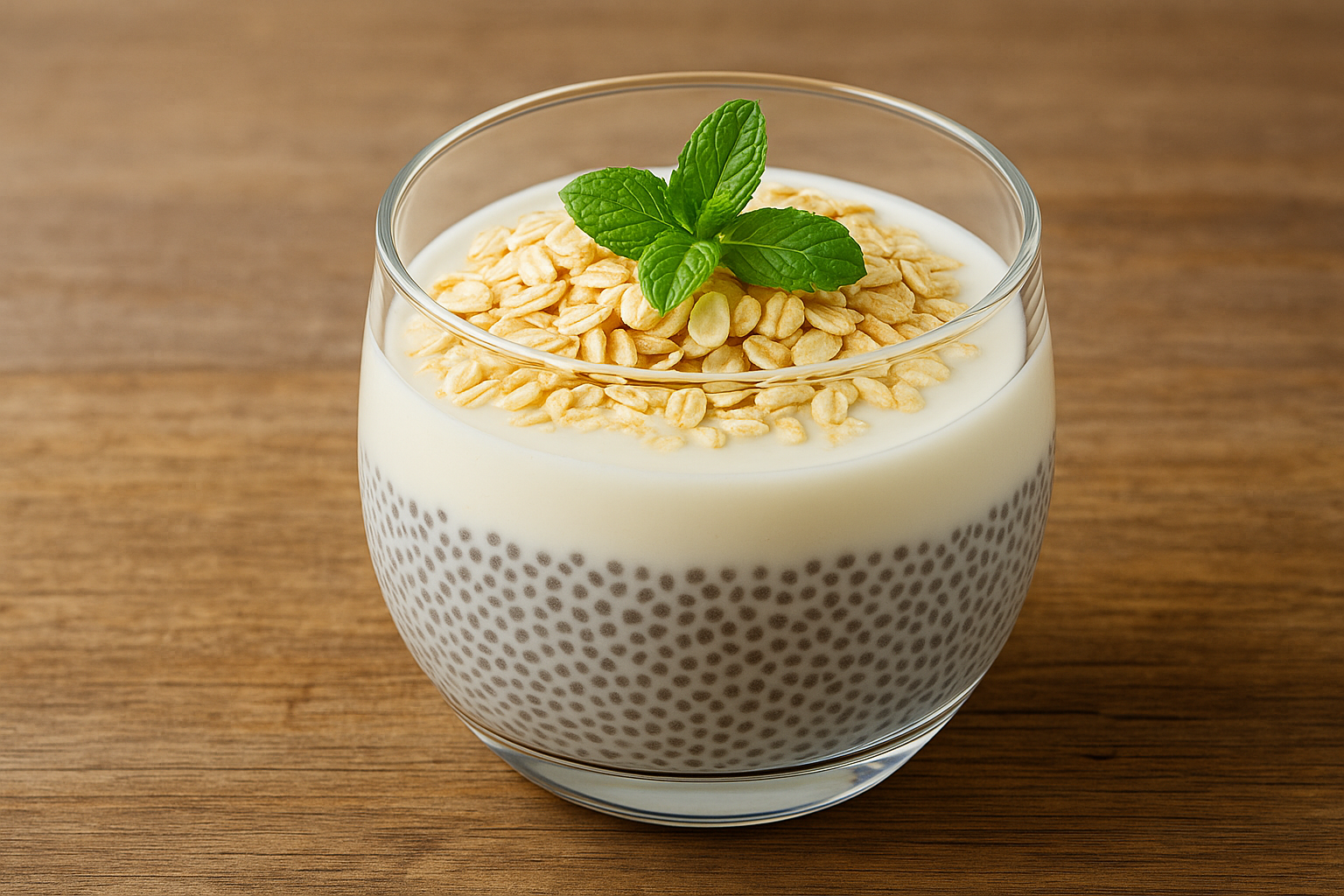 |
Greek yogurt
Greek yogurt is beneficial for blood pressure due to its rich content of minerals like potassium, magnesium, and calcium, as well as beneficial bacteria. These components help reduce bad cholesterol and protect cardiovascular health. Calcium also supports bone health, and the probiotics in yogurt enhance gut health, aiding in easier digestion.
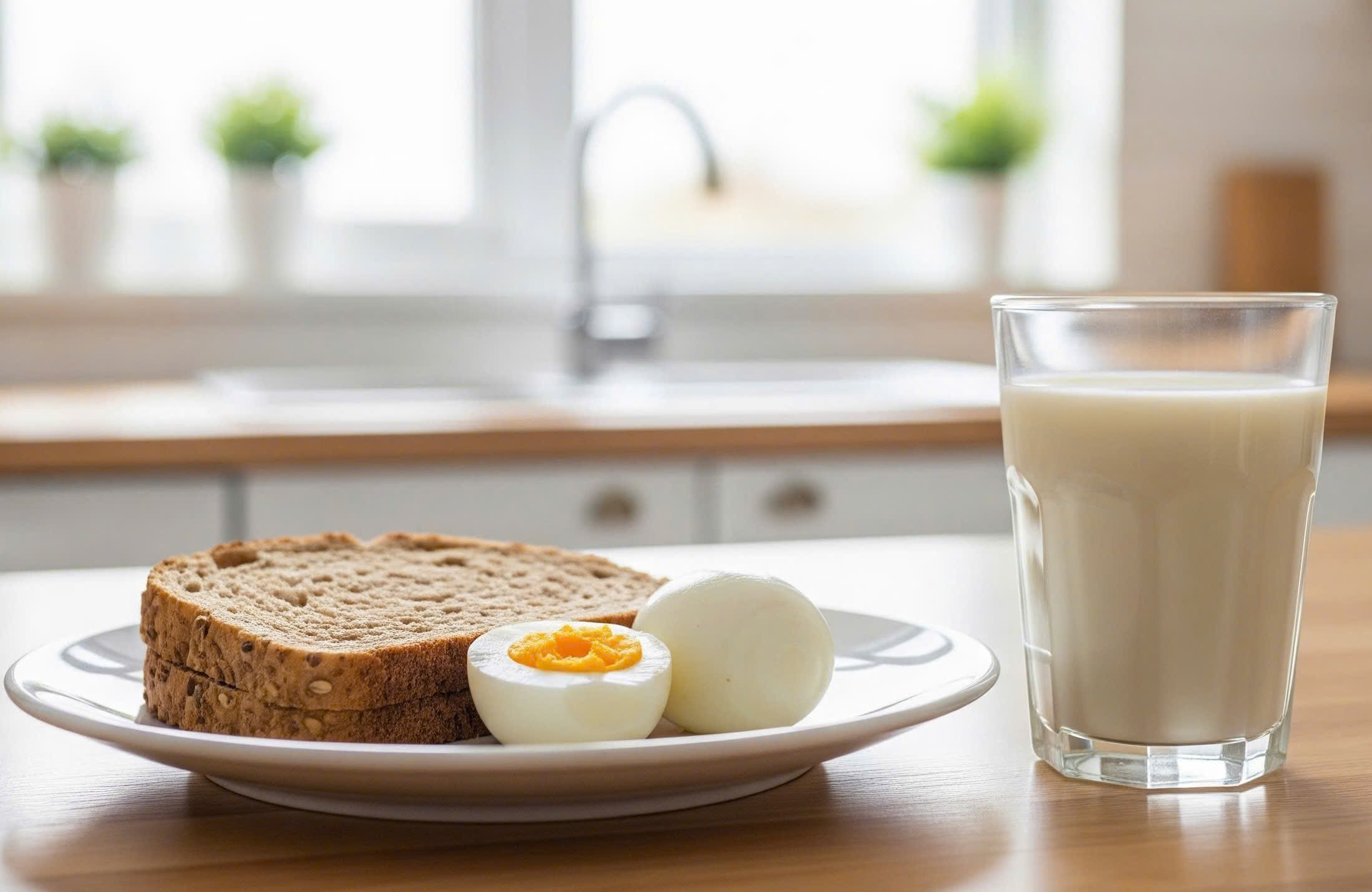 |
Whole wheat bread
Whole wheat bread supports blood pressure regulation thanks to its high fiber content, antioxidants, and essential minerals like magnesium and potassium. This food provides complex carbohydrates that do not cause sudden spikes in blood sugar levels.
Le Nguyen (According to Very Well Health)
Photos: AI, Bui Thuy