Twenty days prior to his hospital admission, the man fell, forcefully striking his groin against a wooden stake. He initially felt sharp penile pain for about one hour, which then subsided. As there was no visible bruising, bleeding, or urinary issues, he did not seek medical attention.
However, fifteen days later, he developed a persistent erection, accompanied by a heavy sensation and difficulty urinating, prompting his urgent hospital admission. Doctors in the Andrology Department at Military Central Hospital 108 diagnosed his condition as non-ischemic priapism, a rare form of prolonged erection.
This condition stemmed from post-traumatic blood vessel damage, resulting in an uncontrolled, excessive blood flow from arteries into the penis. Unlike ischemic priapism, which often causes severe pain and risks tissue necrosis, this non-ischemic form causes less pain. However, it still poses a significant risk of long-term erectile dysfunction if not treated promptly.
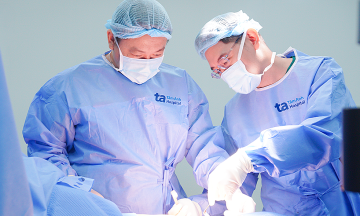
Following an accurate diagnosis, the medical team performed an intervention to resolve the pathological erection and preserve the patient's physiological function. The patient's condition is now stable, and he is undergoing continued monitoring for recovery.
Medical experts urge men not to overlook injuries to the genital area or perineum, even in the absence of visible bleeding or bruising. Should a prolonged erection last over four hours, or if any other unusual symptoms arise after an injury, prompt medical attention is crucial to prevent complications that could impair physiological function.
Le Nga