Lychees are a summer fruit, typically harvested from May to July each year. In traditional medicine, lychee fruit is considered sour when unripe and sweet when ripe. It is believed to have a neutral nature, benefiting blood, quenching thirst, reducing inflammation, and treating boils.
Modern research indicates that lychee pulp is rich in water, glucose, protein, fat, vitamin C, and antioxidants such as epicatechin and rutin. These components may contribute to improved cardiovascular health, anti-inflammatory effects, and a reduced risk of cancer and diabetes.
However, lychee pulp is considered "heaty" (nong trong) in traditional belief. Excessive consumption can lead to symptoms like dry lips, nosebleeds, acne, and mouth ulcers. Therefore, adults should limit their intake to 5-10 fruits per sitting. Pregnant women and children should consume only 3-4 fruits per sitting, and it is advisable for breastfeeding or menstruating women to eat them sparingly.
Lychees also have a high sugar content, so individuals with diabetes should consume them in moderation. It is important not to overindulge.
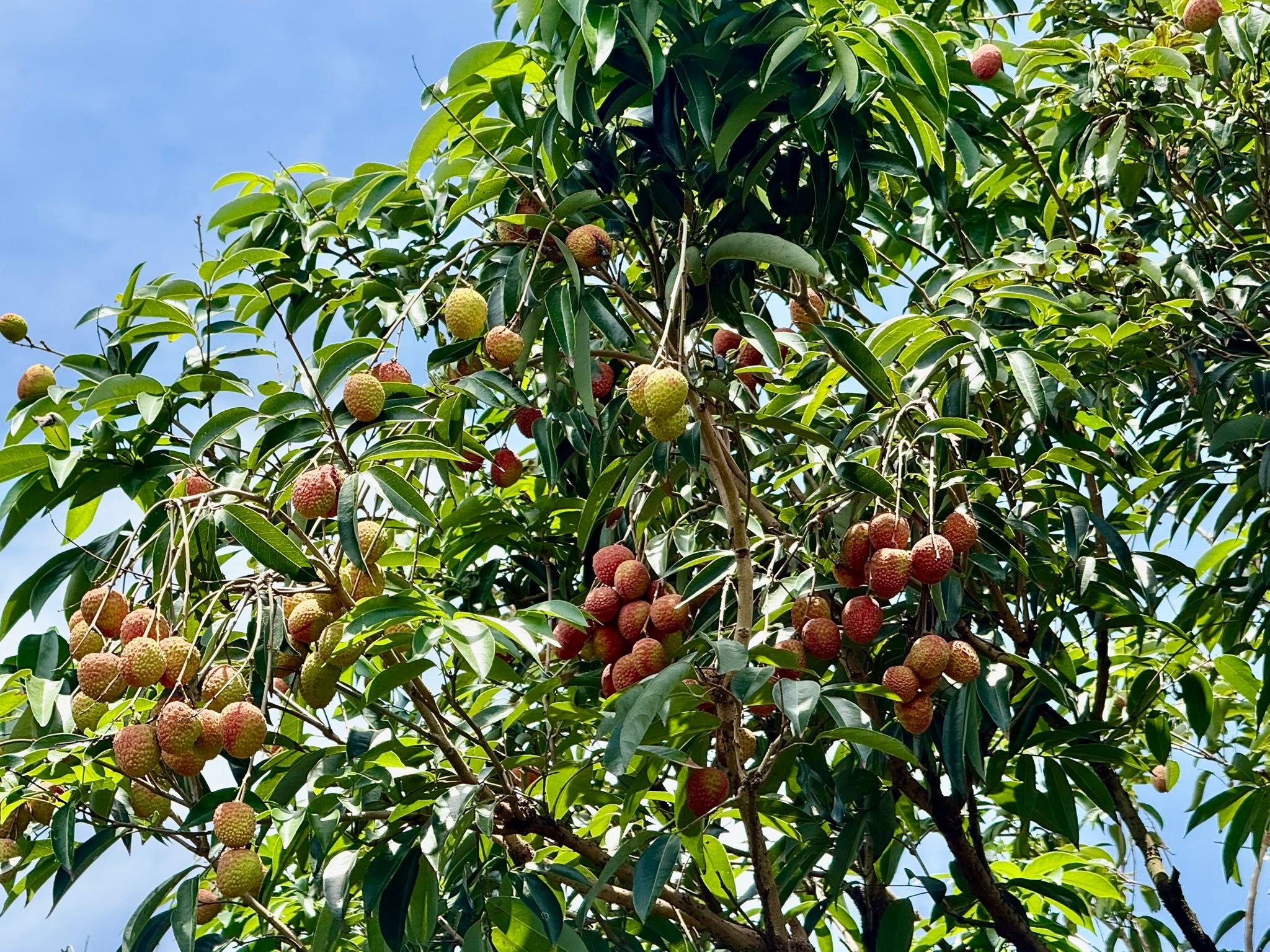 |
Lychees contain many healthy nutrients but are considered 'heaty,' which can cause dry lips, nosebleeds, and acne. They should be eaten in moderation. *Mai Mai* |
Cancer can affect various organs, including the lungs, liver, kidneys, skin, cervix, and oropharynx. Its causes are linked to genetics, age, environment, tobacco, alcohol, bacteria, and viruses. For instance, 90% of lung cancers are attributed to tobacco use, nearly 100% of cervical cancers are caused by human papillomavirus (HPV), and over 80% of liver cancers result from hepatitis b.
Prevention involves maintaining a healthy lifestyle, exercising regularly, avoiding tobacco and alcohol, managing stress, and undergoing regular cancer screenings.
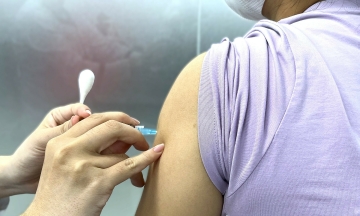
Several cancers are preventable through vaccination, including cervical, oropharyngeal, vulvar, and vaginal cancers caused by human papillomavirus (HPV), and liver cancer caused by the hepatitis b virus.
In Vietnam, both single and combination hepatitis b vaccines are used. The vaccination schedule typically involves three doses over six months, with antibody testing before vaccination and booster shots recommended when antibody levels decline. Newborns receive the hepatitis b vaccine within 24 hours of birth, with additional doses included in combination vaccines like the 6-in-1.
For HPV, which causes genital warts and cancers of the cervix, vulva, vagina, anus, and oropharynx, Gardasil and Gardasil 9 vaccines are available. Gardasil 9 protects against nine HPV types (6, 11, 16, 18, 31, 33, 45, 52, 58) and is administered to both males and females aged 9–45. Children aged 9-14 require only two vaccine doses, compared to three doses for those vaccinated at older ages, offering cost savings.
Doctor Bui Cong Su
Medical Manager, VNVC Vaccination System
Readers can submit questions about vaccines for the doctor to answer here.