Answer:
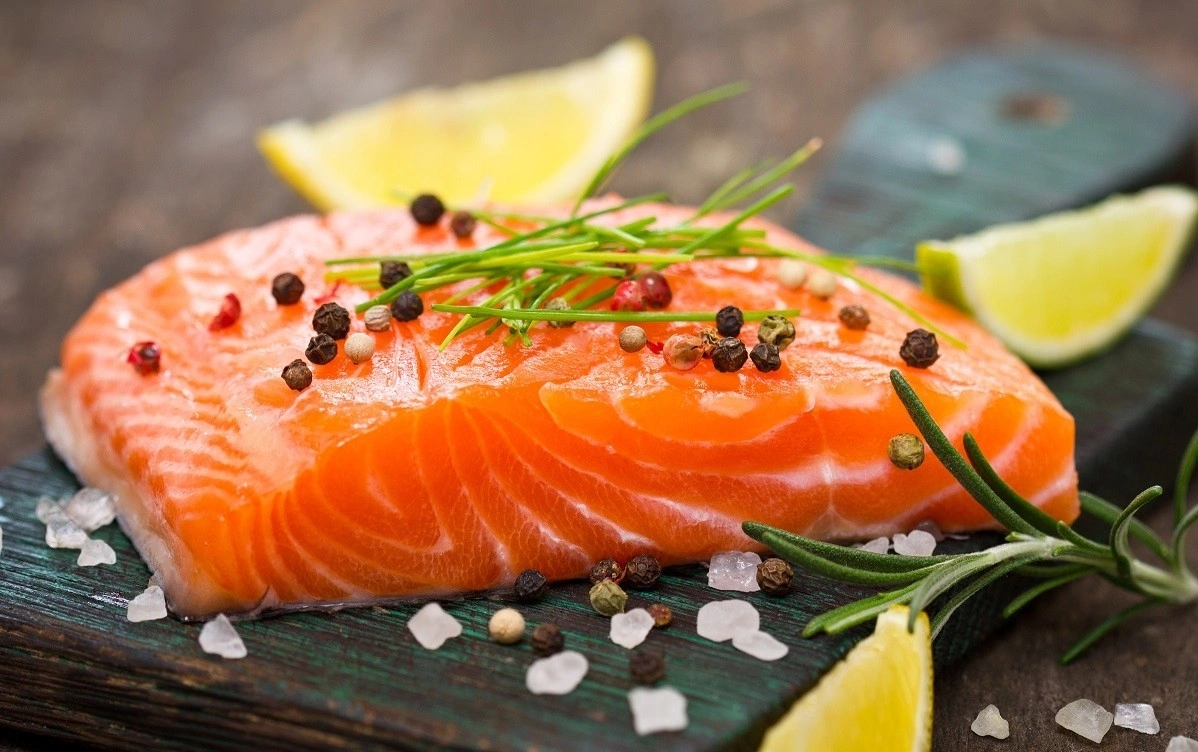
Omega-3 is an essential fatty acid that the body cannot synthesize on its own, making dietary intake crucial. Fatty fish is a primary source. Consequently, many develop a habit of eating fish continuously throughout the week, believing "more is better." However, daily fish consumption is unnecessary and even discouraged for certain high-risk individuals.
Beyond various types of fish, omega-3 is also present in many other foods. These include nuts such as flaxseed, walnuts, and chia seeds. Plant-based oils, like soybean oil, are also an option if you aim to supplement omega-3 naturally.
You can also take omega-3 supplements, but only under a doctor's guidance. The optimal time to take omega-3 is during or immediately after a meal. Individuals taking anticoagulant medications, those preparing for surgery, people with low blood pressure, or those with a history of seafood allergies should exercise caution when using these supplements.
Therefore, instead of rigidly consuming fish every day, you should alternate fish (prioritizing mackerel, salmon, and herring) with meat dishes. Incorporate nuts for dessert or a snack. Only use supplements if there is a genuine deficiency and under the direction of a qualified professional.
To ensure your body receives adequate nutrients, combine fish and red meat with other protein-rich foods. Include plenty of green vegetables and fruits in your daily diet. Drink ample water and exercise every day to promote comprehensive physical development.
 |
Illustrative photo: Bui Thuy |
Illustrative photo: Bui Thuy
Doctor Le Thi Huong Giang
Head of Nutrition and Dietetics Department, Benh vien 19-8