Arthritis encompasses a group of conditions characterized by inflammation, swelling, and pain in one or more joints, such as the knees, shoulders, wrists, or hips. The disease significantly impacts mobility, making daily activities challenging. Despite its prevalence, several misconceptions about arthritis persist.
Cracking knuckles causes arthritis
Genetic factors, age, or joint injuries are the primary causes of arthritis. There is no scientific evidence that cracking knuckles causes arthritis. The popping sound results from gas bubbles in the synovial fluid bursting when joints are stretched or pulled. However, excessive knuckle cracking can lead to swollen hands or reduced grip strength, according to the Times of India.
Arthritis is a natural part of aging
As people age, joints experience natural wear and tear, making older individuals more susceptible to joint pain. However, not all joint pain is caused by arthritis. Adopting a healthy lifestyle, including a nutritious diet, weight management, and physical activity, contributes to maintaining healthy joints. Individuals should consume anti-inflammatory foods such as nuts, berries, garlic, and vitamin C-rich foods to support bone and joint health.
Only older people get arthritis
According to WebMD, young adults, adolescents, and even children can develop arthritis, although the risk increases with age. Children are affected by conditions like juvenile idiopathic arthritis (JIA), while young adults can develop psoriatic arthritis or rheumatoid arthritis. Early-onset arthritis can be caused by various factors, including genetics, lifestyle, injury, and obesity.
People with arthritis should avoid exercise
Resting when joints are painful and listening to one's body is beneficial. However, avoiding physical activity will not alleviate arthritis pain. Regular, gentle physical activities such as walking and cycling can maintain joint flexibility and prevent pain from worsening.
Arthritis is incurable
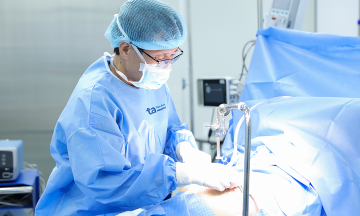
In its early stages, medication combined with lifestyle changes can effectively manage symptoms. When the disease progresses, joint replacement surgery is the final treatment option. Modern techniques, such as robot-assisted joint replacement, help patients recover faster and shorten hospital stays compared to traditional surgery.
Le Nguyen (Compiled)