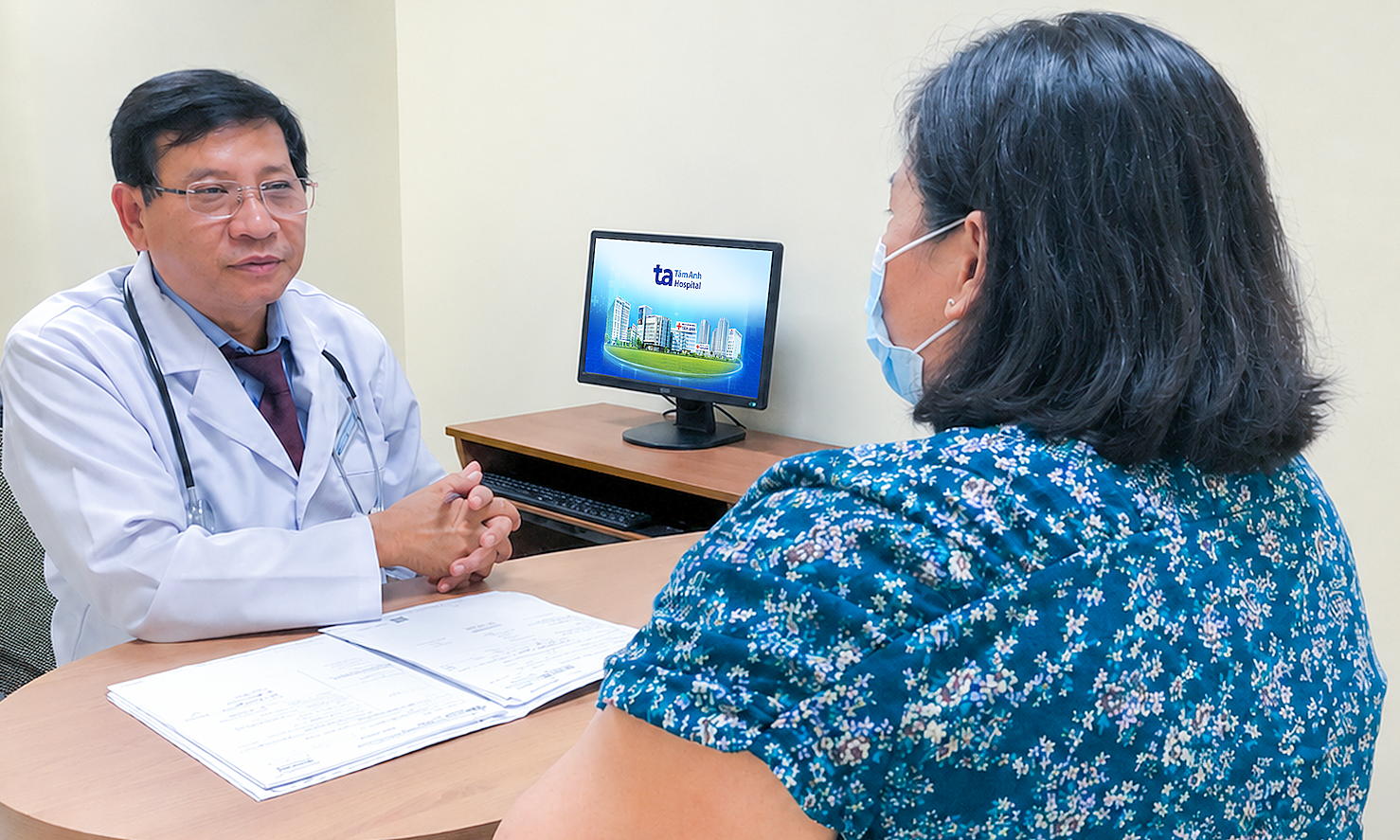
Dr. Nguyen Huu Khanh, a Specialist Doctor Level I from the Department of Neurology, Neuroscience Center, Tam Anh General Hospital TP HCM, stated that botox (botulinum toxin) is a method used to treat localized spasticity following a stroke. The medication is injected directly into hypertonic muscle groups to reduce excessive contractions, promoting muscle relaxation. This facilitates rehabilitation exercises, improves joint range of motion, and enhances the ease of daily activities for patients.
Muscle spasticity is a common after-effect of stroke. This condition occurs when brain damage impairs muscle tone control, leading to persistent, excessive muscle contractions. Patients may struggle with limb movement, walking, dressing, personal hygiene, and other daily activities.
Spasticity typically appears several weeks to several months after a stroke. Initially, patients might notice stiffness in their limbs, making extension difficult. Without timely treatment, muscles can contract increasingly, leading to loss of joint mobility and potential deformities.
Patients should seek medical attention if they experience symptoms like: clenched hands that are difficult to open, persistently bent elbows or wrists, leg spasticity hindering walking, or prolonged pain from muscle contractions.
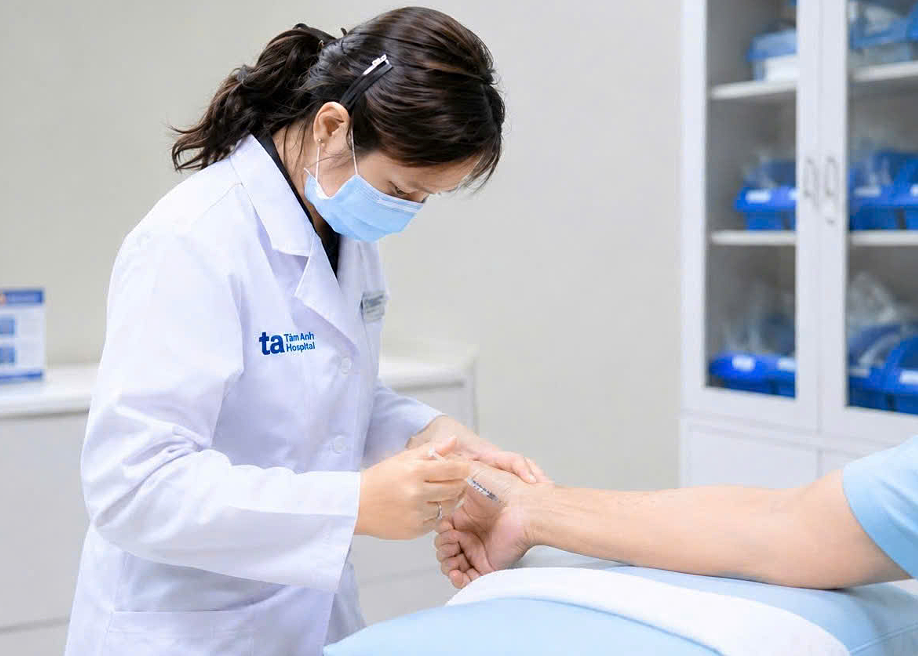 |
A doctor is injecting botox to help improve mobility and reduce spasticity for a post-stroke patient. *Photo: Tam Anh General Hospital*.
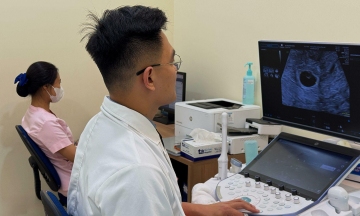
Botox injections are minimally invasive and safe when administered correctly by a neurologist. To ensure precision, doctors utilize ultrasound or electromyography (EMG) machines to pinpoint affected muscle groups, then inject the medication into the target muscle fibers. Patients are monitored for about 30-60 minutes after the procedure before being discharged.
The effects of botox usually begin within 3-7 days, becoming most pronounced after about two weeks and lasting for approximately 3-4 months. Patients may receive repeat injections as the medication's efficacy wanes.
Alongside botox injections, patients must continue physical therapy, occupational therapy, and appropriate rehabilitation programs. This multi-faceted approach optimizes treatment effectiveness, reducing the long-term risk of muscle contractures and joint deformities.
Dr. Khanh emphasized that post-stroke spasticity is treatable and its symptoms manageable. Early detection and timely intervention can reduce pain, improve mobility, boost self-care capabilities, and enhance patients' overall quality of life.
Trong Nghia
| Readers can submit questions about neurological diseases here for doctors to answer. |