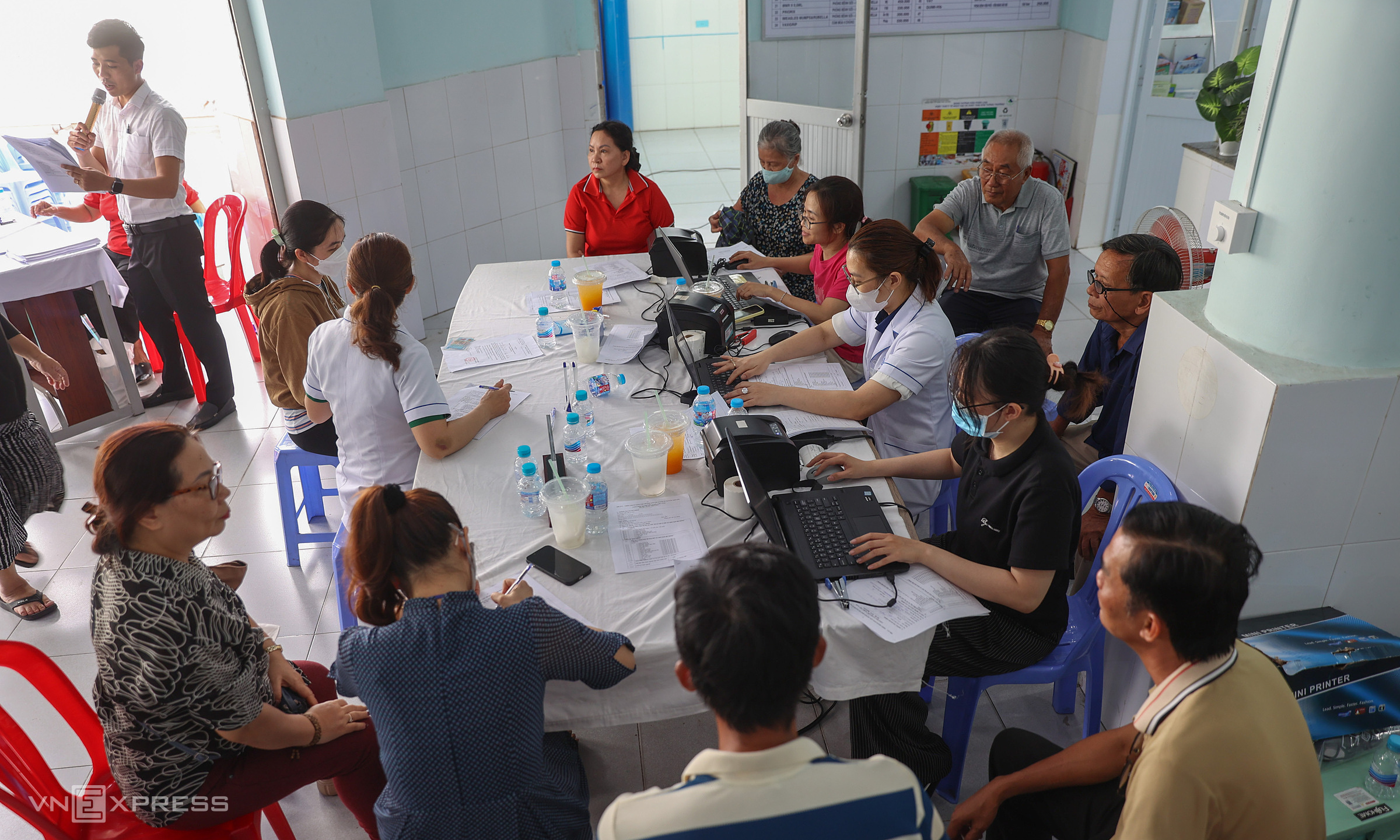
On 15/7, Tang Chi Thuong, Director of the Ho Chi Minh City Department of Health, announced that after nearly two months of implementing the city-wide health check-up program, 534,346 residents have been examined. Their results are now updated in electronic health records. Each individual's health information is stored on this digital system, creating a foundation for long-term monitoring, reminding them for follow-up appointments, and managing chronic diseases if detected. This initiative marks a shift from a reactive "treat when ill" healthcare model to proactive monitoring, early risk detection, and prevention.
From 16/7, Ho Chi Minh City will launch a 150-day intensive campaign to accelerate the program. A key feature is that residents, both permanent and temporary, will access more convenient examination services as the entire public and private healthcare system participates. The city also allows residents to receive free health check-ups at any convenient medical facility, regardless of their place of residence.
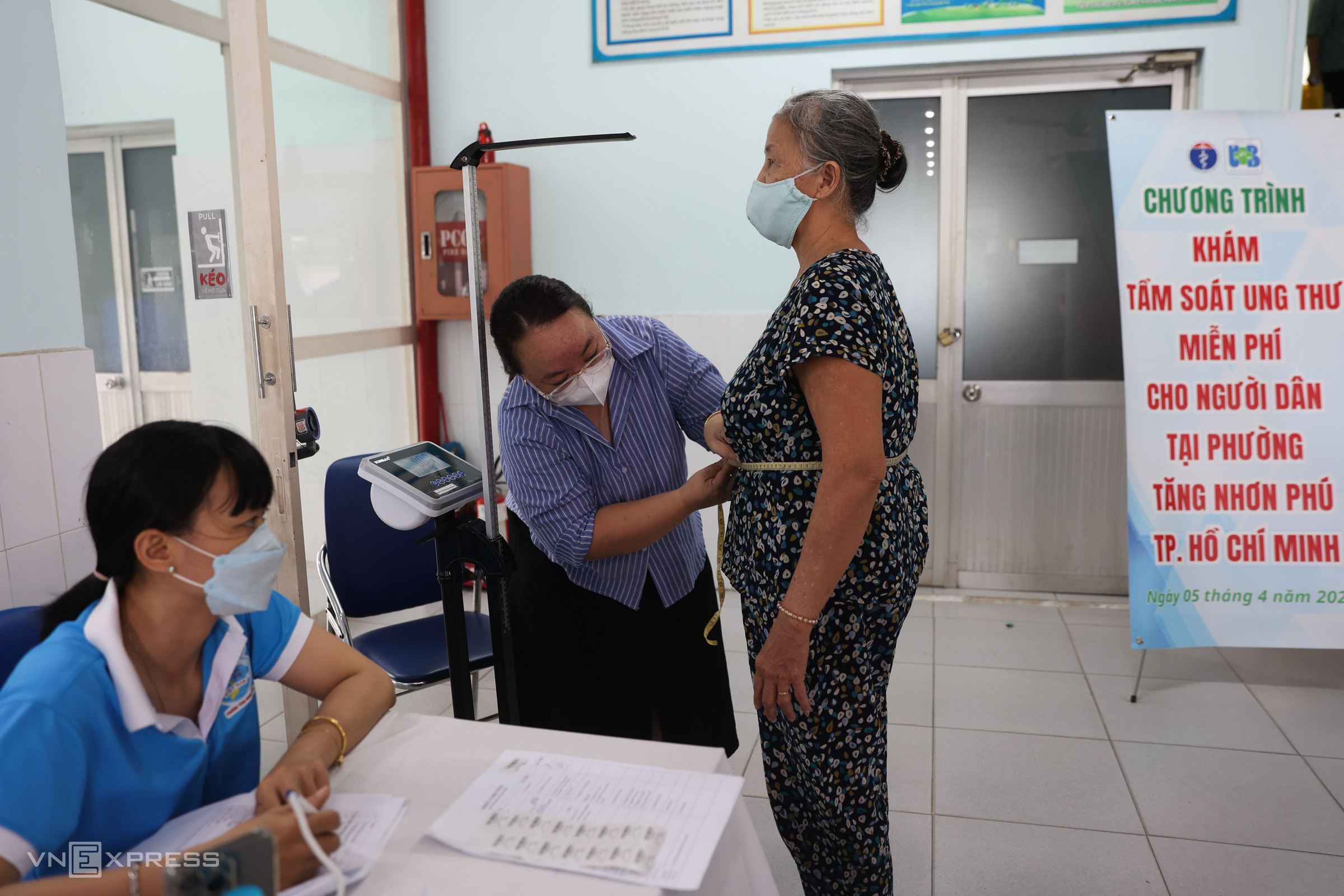 |
People receive free medical examinations at Tang Nhon Phu ward health station. Photo: Quynh Tran
Under the plan recently finalized by the Department of Health, 168 communes, wards, and special zones are connected to one or more hospitals, medical centers, or clinics. These units will collaborate with local authorities to organize examinations directly at commune health stations, community centers, or deploy mobile medical teams to residential areas. This approach helps residents, especially the elderly or those with mobility challenges, avoid traveling long distances.
This is the first time Ho Chi Minh City has mobilized its entire public and non-public healthcare system for a city-wide preventive healthcare program. Many central hospitals, including Cho Ray, Thong Nhat, Military Hospital 175, Ho Chi Minh City University of Medicine and Pharmacy, Nhan Dan Gia Dinh, Nhan Dan 115, Trung Vuong, Nguyen Tri Phuong, and Le Van Thinh, along with private hospitals, medical centers, and clinics, will support local areas. Beyond providing health check-ups, these hospitals are responsible for offering consultations, referring patients to appropriate facilities when abnormalities are found, and coordinating the management of chronic disease patients at the grassroots level of healthcare.
According to Tang Chi Thuong, the ultimate goal of the program extends beyond universal health check-ups. It aims to establish a continuous health management system where every resident has an electronic health record and receives monitoring and care directly from the grassroots healthcare level.
Le Phuong