This information was shared by Doctor Diep Bao Tuan, Director of Ho Chi Minh City Oncology Hospital, at a professional cooperation signing ceremony with An Sinh Hospital on 15/7. The hospital leadership stated that the number of people seeking examinations has been increasing rapidly, leading to prolonged overcrowding, even after the second facility became operational.
Statistics show that the pressure on the treatment system is very high; in 2025, the facility received over 1,08 million patient visits, a 22% increase from the previous year.
This year, patient traffic is projected to continue growing by 10% to 15%, with approximately 75% of patients traveling from other provinces to TP HCM. Annually, the hospital performs about 40,000 surgeries, 350,000 chemotherapy sessions, and nearly 200,000 radiation therapy sessions.
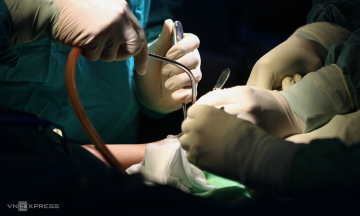
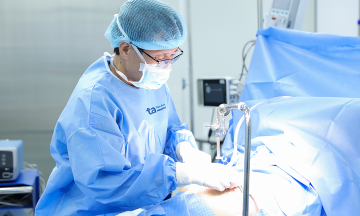
Currently, the hospital's two facilities operate a total of 27 operating rooms. Medical teams maintain an efficiency of about 150 surgeries daily, including procedures performed outside of regular hours and on weekends.
According to Doctor Tuan, the increasing trend of cancer is not unique to Vietnam but is a global reality. Meanwhile, most patients in the southern region still seek treatment in TP HCM, intensifying pressure on the hospital.
Oncology is a specialty with prolonged surgical times and complex techniques compared to many other fields. Therefore, even with maximum capacity utilization, the number of patients awaiting surgery and radiation therapy remains high.
Currently, the average waiting time is about three weeks for both surgery and radiation therapy. Doctor Tuan noted that waiting primarily affects patients' psychology. The hospital prioritizes early surgeries for emergency or advanced cancer cases, while less urgent cases are scheduled later, generally not impacting treatment effectiveness significantly.
"Patients with tumors often experience significant stress when they have to wait; we hope to have more treatment facilities in the future to reduce this waiting time to just a few days," he stated.
To alleviate overcrowding, Ho Chi Minh City Oncology Hospital is proposing that the city allocate land in Ba Ria for the construction of a third facility, expanding patient intake capacity for the southern region. However, according to hospital leadership, investing in more operating rooms, machinery, and equipment faces difficulties due to lengthy bidding, appraisal, and procurement processes.
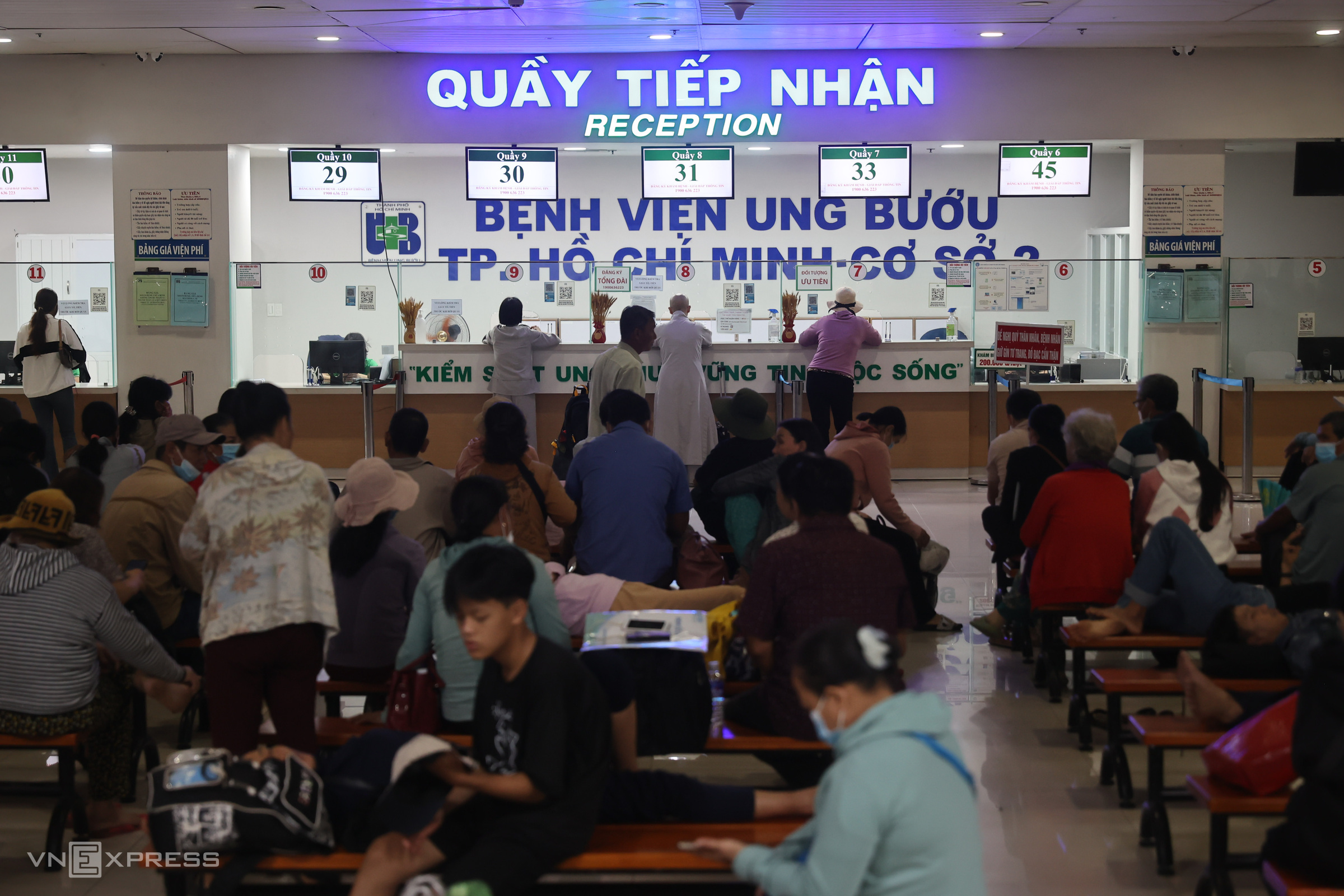 |
Patients waiting for examinations at Ho Chi Minh City Oncology Hospital, facility two. Photo: Quynh Tran |
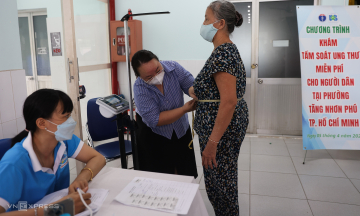
Alongside expanding treatment capacity, the hospital identifies early cancer screening and detection as a long-term solution. According to Doctor Tuan, Japan implemented cancer screening programs over 70 years ago, helping to reduce the burden of late-stage treatment. In TP HCM, the hospital is participating in the city's 150-day public health check-up campaign and developing cancer screening programs to detect the disease at an early stage.
At the signing ceremony, the two hospitals agreed to cooperate in: difficult case consultations, human resource training, technology transfer, scientific research, and organizing cancer screening programs.
Doctor Mai Van Dien, Director of An Sinh Hospital, stated that despite not having an oncology department, the hospital accepts patients seeking cancer examination and treatment, while also developing a palliative care unit. He anticipates the cooperation will allow patients to access Ho Chi Minh City Oncology Hospital's specialists directly at An Sinh, and will expand research and application of new techniques like immunotherapy and stem cell therapy in cancer treatment, helping to share the burden on tertiary hospitals.
Le Phuong