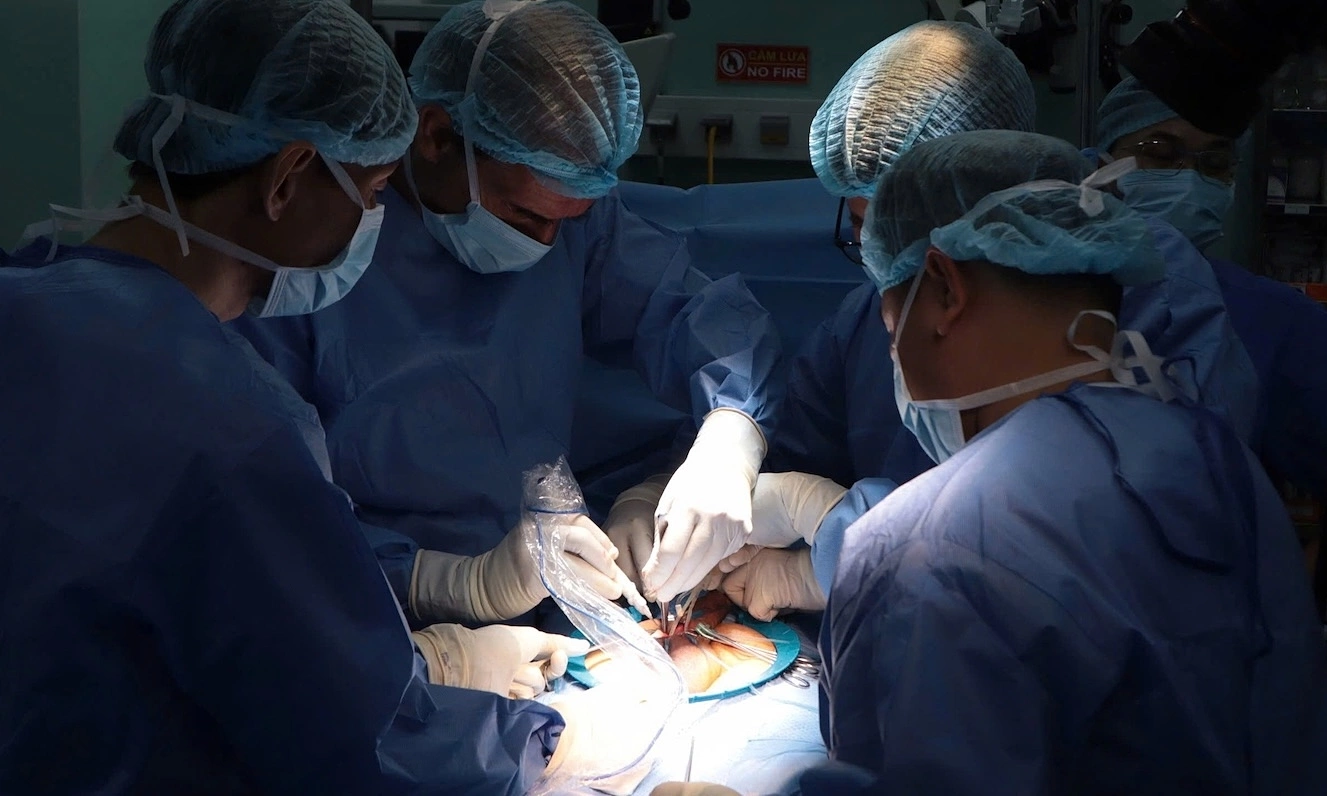
Colorectal cancer develops in the colon or rectum, the final part of the large intestine. The disease often originates from polyps, which are small, benign cell clusters, and can progress to cancer over time. Genetic factors, lifestyle, and environmental influences are believed to be contributing factors.
If detected early, the five-year survival rate can be high, particularly in the initial stage. However, early symptoms are often mild and easily mistaken for common digestive disorders or intestinal infections, making it crucial to recognize the warning signs.
Changes in bowel habits
One of the early indicators of cancer is a noticeable change in bowel habits. Patients may experience more frequent diarrhea or constipation, or an alternation between these two conditions. Stools might also appear narrower or thinner than usual.
These changes are easily attributed to diet, stress, or intestinal infections. However, if they persist or recur, they could signal a tumor affecting colon function.
Blood in stool
Blood in the stool is a symptom that should never be ignored, regardless of its suspected cause. Blood can be bright red or appear as dark, tarry stools, indicating older blood.
In some cases, the amount of blood is minimal and not visible to the naked eye, yet it can lead to anemia over time. While this condition might be linked to hemorrhoids or infections, it is essential to rule out colorectal cancer, especially if it recurs or is accompanied by other symptoms.
Abdominal pain or discomfort
Persistent abdominal discomfort is another early sign often overlooked. Patients may experience cramping, bloating, a feeling of fullness, or prolonged satiety. These symptoms are easily confused with common digestive issues. However, if they are unrelated to diet or lifestyle changes and persist, they could indicate a tumor causing irritation or obstruction in the colon.
Unusual fatigue and weakness
Unexplained fatigue and weakness can also be a potential sign of colorectal cancer, especially when accompanied by other symptoms. This may be due to silent bleeding in the colon, leading to iron deficiency anemia.
When the body lacks red blood cells, its oxygen-carrying capacity decreases, causing fatigue, shortness of breath, and overall weakness. These manifestations are often dismissed or mistaken for stress or lack of sleep.
Rapid weight loss
Unintentional weight loss is a common symptom in many types of cancer, including colorectal cancer. As the body fights cancer, the immune system becomes overactive, and the tumor can also affect digestion and appetite. If significant weight loss occurs without changes in diet or exercise, medical consultation is advisable. This sign often appears later, but it can sometimes serve as an early warning.
Early detection of colorectal cancer is challenging because symptoms are often non-specific. Manifestations like abdominal pain, diarrhea, or anemia can also occur in various other conditions, such as ulcerative colitis, Crohn's disease, food poisoning, or viral gastroenteritis.
However, if symptoms are persistent or unusual, patients should seek medical examination to determine the cause, even if they suspect benign conditions like hemorrhoids.
According to recommendations, adults aged 45 to 75 should undergo regular screening. Screening may be performed earlier if there are risk factors or suspicious signs.
Bao Bao (via Times of India)