Omega-3 fatty acids
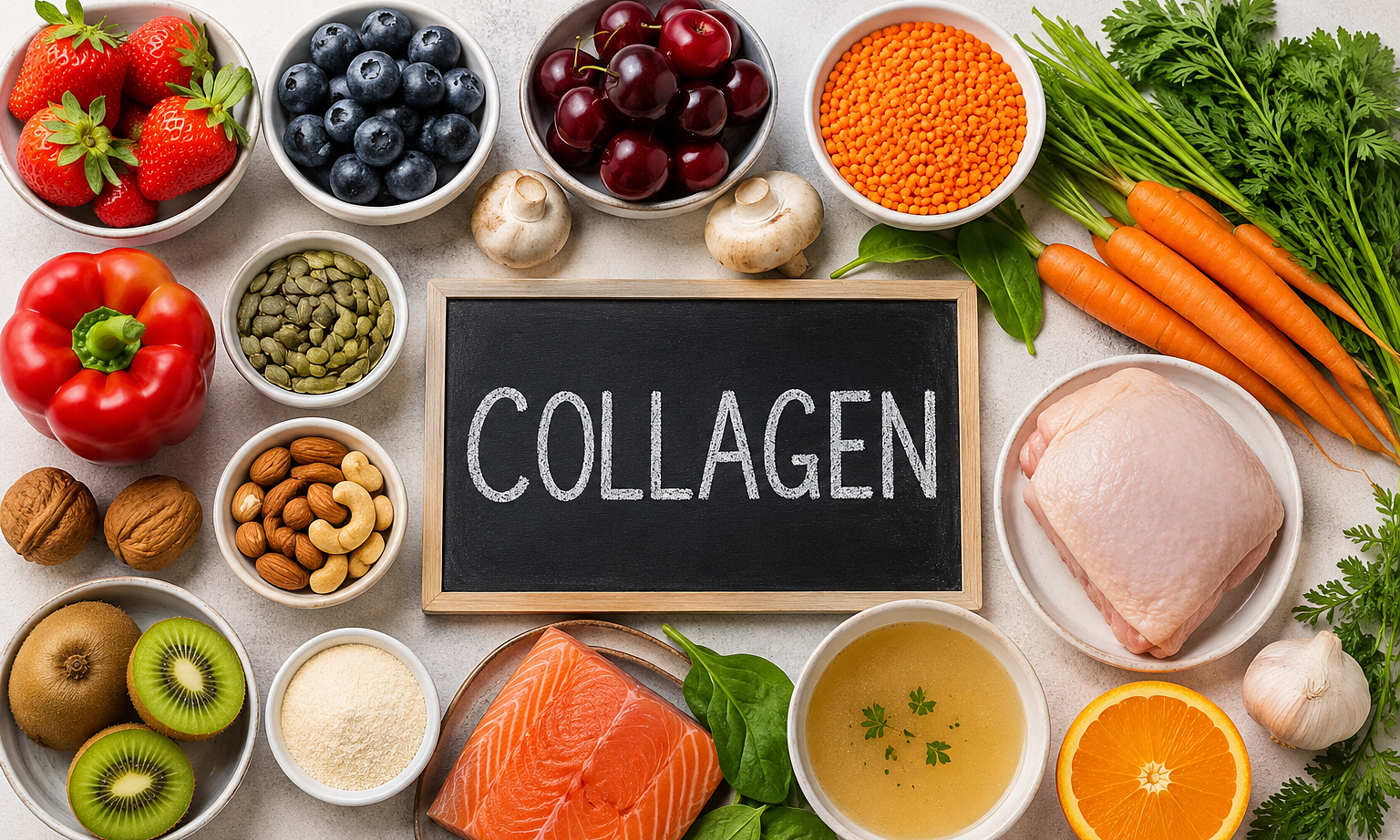
Omega-3 fatty acids are unsaturated fats with anti-inflammatory effects and support cardiovascular health. Some studies indicate that omega-3 can help maintain muscle mass and support the overall health of breast cancer patients during treatment. Foods rich in omega-3 include: salmon, mackerel, tuna, herring, walnuts, flaxseeds, and chia seeds.
Citrus fruits
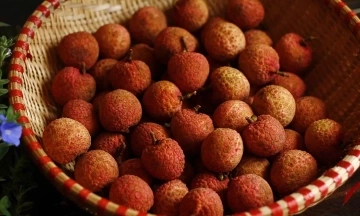
Citrus fruits (oranges, pomelos, lemons, grapefruits) contain many vitamins, minerals, and antioxidants. Flavonoid compounds in these fruits are believed to possess anti-inflammatory and antioxidant properties, potentially contributing to a reduced risk of certain cancers, including breast cancer.
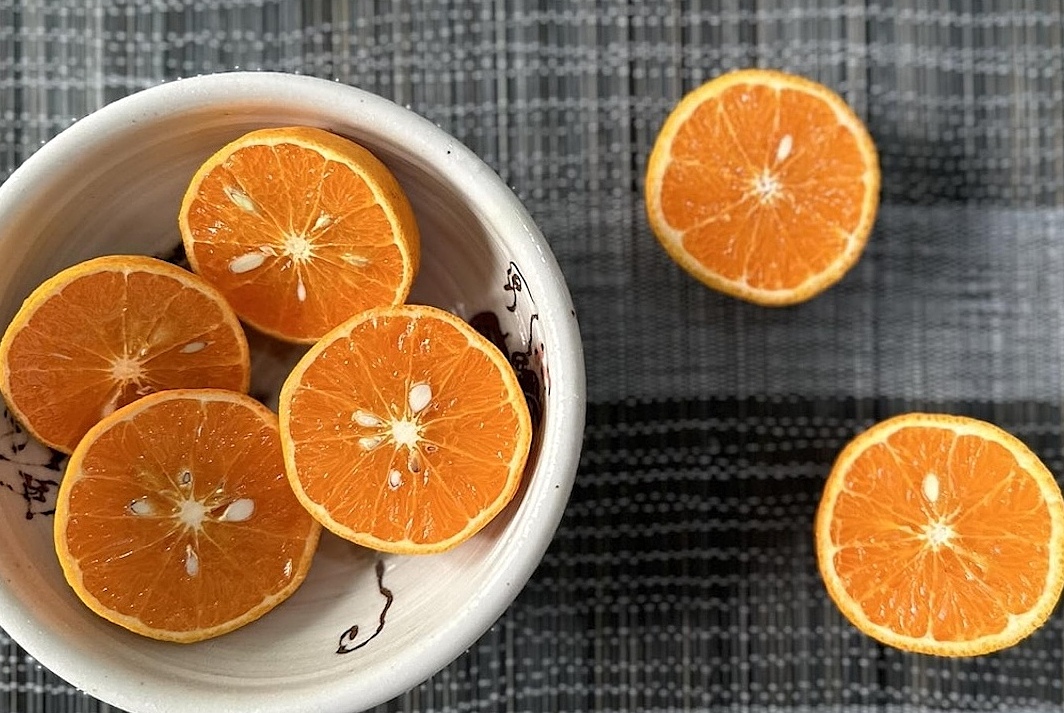 |
Oranges contain a large amount of vitamin C, which helps boost immunity. Photo: Anh Chi. |
Flavonoid-containing vegetables
According to Very Well Health, flavonoids are plant-derived compounds with antioxidant and anti-inflammatory properties. Some studies suggest that a diet rich in flavonoids can support the health of breast cancer patients and is associated with a lower risk of recurrence.
Vegetables are also rich in fiber and essential minerals, promoting more stable gut function. Some flavonoid-containing vegetables and herbs include: cabbage, onions, tomatoes, parsley, lettuce, broccoli, and bell peppers.
Plant-based spices
Turmeric contains curcumin, a compound with antioxidant and anti-inflammatory properties. Curcumin has the potential to support cancer prevention and influence the growth of cancer cells. Ginger, cinnamon, and coriander also contain many beneficial compounds for health.
Whole grains
According to Cleveland Clinic, patients should consume about 25-30 g of fiber daily from whole grains, a food group rich in complex carbohydrates, fiber, vitamins, minerals, and beneficial plant compounds. A high-fiber diet supports digestion, maintains a healthy gut microbiome, and helps regulate hormonal activity, thereby linking to a lower cancer risk. Suitable options include: oats for breakfast, whole-grain bread for lunch, or brown rice for dinner.
Lean protein
For quality protein intake, patients should prioritize poultry, fatty fish, and legumes such as green beans and lentils. Protein helps maintain muscle mass, provides energy, supports recovery, and limits malnutrition during treatment.
For patients who have undergone breast tumor removal surgery, protein is an essential nutrient for wound healing and tissue regeneration. Protein also participates in the production of antibodies, hormones, and enzymes, contributing to enhanced immune function.
Patients should limit processed meats such as salted, pickled, smoked meats, and sausages. These often contain high levels of salt and preservatives, potentially increasing the risk of certain chronic diseases, including cancer.
Anh Chi (Compiled)
| Readers can submit questions about cancer here for doctors to answer. |