Answer:
Bones are living tissues within the body, constantly undergoing parallel processes of breakdown and regeneration, which helps keep them strong and robust. Osteoporosis occurs when bone breakdown outpaces bone formation, leading to a decline in bone density, mass, and quality. Bones become porous, brittle, and more susceptible to fractures than usual.
Osteoporosis is commonly associated with older individuals due to the body's natural aging process, or with post-menopausal women because of declining estrogen levels, which normally inhibit bone-resorbing cells. However, young people can still develop early-onset osteoporosis due to sedentary lifestyles, limited sun exposure, or poor nutrition causing prolonged deficiencies in vitamin D and calcium. Unhealthy habits such as smoking, excessive alcohol consumption, and misuse of corticosteroid-containing medications can also contribute to early osteoporosis. Endocrine disorders and certain man tinh medical conditions may cause secondary osteoporosis in young adults.
At 30 years old, bone density typically reaches its peak. However, your Z-score below -2.0SD indicates significantly lower bone density for your age. This is a dangerous sign that requires attention.
Underlying conditions can cause secondary osteoporosis. These include kidney disease, liver disease, osteogenesis imperfecta, hyperthyroidism, Cushing's syndrome, or autoimmune diseases. These conditions often disrupt endocrine function, reduce the activity of bone-forming cells, hinder calcium absorption into bones, and increase bone breakdown. Osteoporosis, in such cases, is a secondary consequence of the primary illness. Patients must be screened for the underlying disease causing secondary osteoporosis to ensure effective treatment and prevent fracture events.
Low bone density increases the risk of injury, making bones prone to cracks and fractures even from minor impacts. Fractures can easily occur during falls, sports activities, traffic accidents, or daily routines, leading to reduced health, impaired mobility, and work disruptions. Without proper treatment, fractures can result in complications such as delayed healing, bone misalignment, pseudoarthrosis, or early osteoarthritis.
Prolonged osteoporosis can affect posture and the spine. Weak bones increase the risk of vertebral compression fractures, scoliosis, chronic back pain, or height loss at a young age. Some individuals may develop a hunched back, uneven shoulders, or an imbalanced physique because the supporting skeletal system is no longer stable.
Bone and joint pain frequently occurs in the lower back, neck, hips, or knees. Pain often appears after prolonged sitting, heavy lifting, engaging in sports, or maintaining incorrect posture for extended periods. Initially, symptoms may be fleeting, but as bone density continues to decline, the pain can become more frequent, lasting several days and affecting sleep, mobility, and academic or work performance.
Fatigue and reduced stamina during physical activity can result from a weakened musculoskeletal system supporting the body. Some young individuals may experience quick fatigue when climbing stairs, exercising at the gym, walking long distances, or playing sports, even if they previously engaged in these activities normally. This condition discourages physical activity, reducing the ability to exercise, which over time further diminishes muscle mass and creates a vicious cycle that progressively weakens bones.
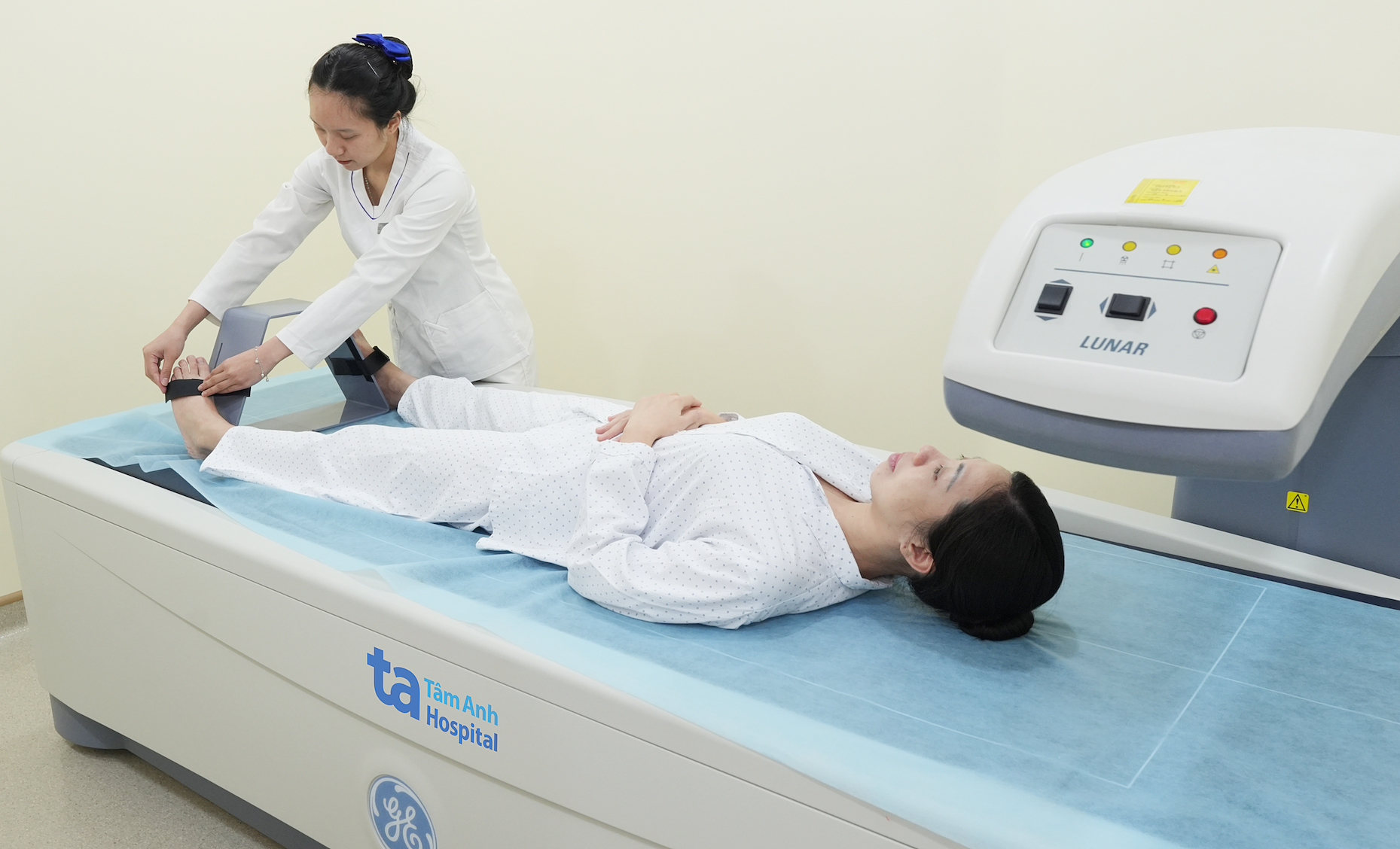 |
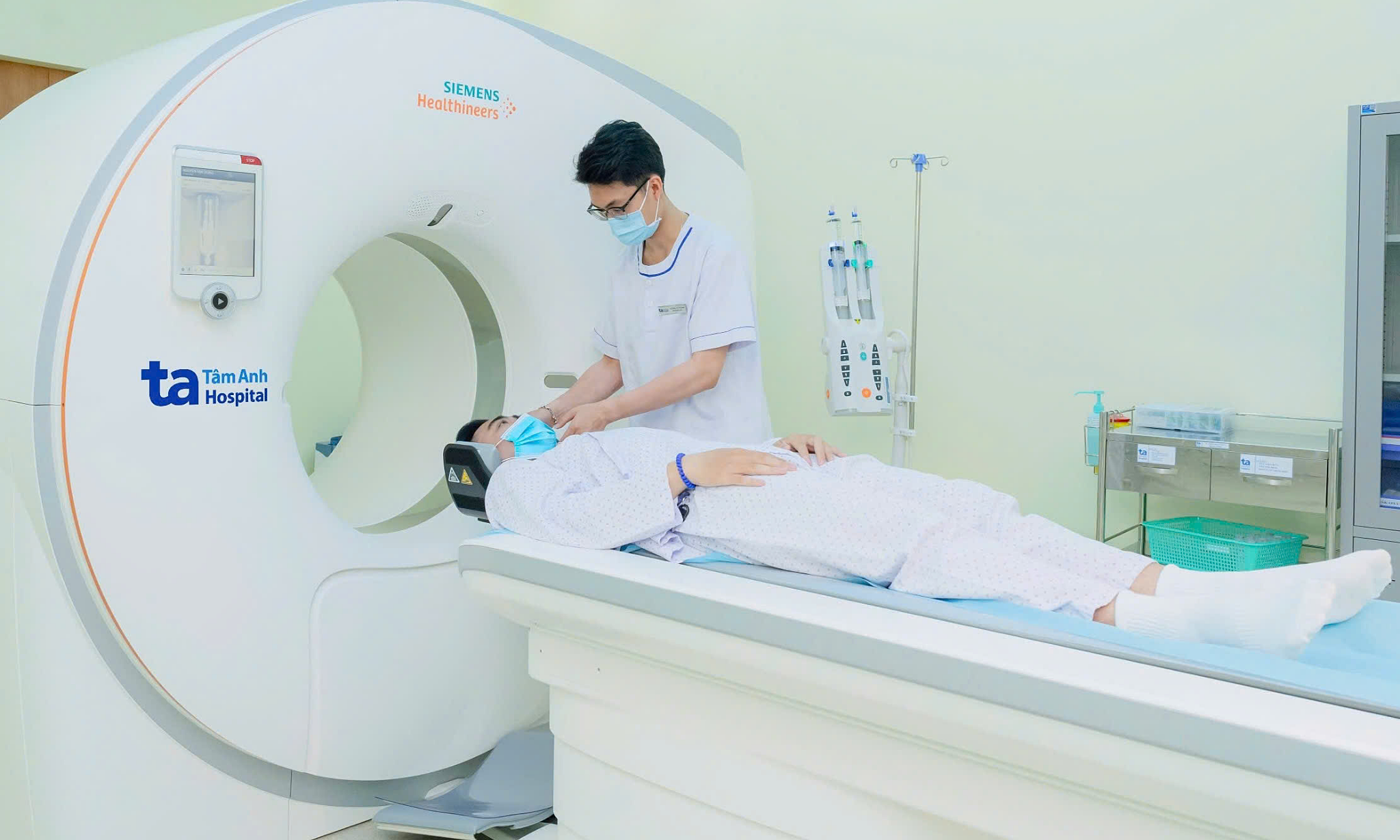
Bone density scan for a young patient. Illustration: Tam Anh Cau Giay General Clinic |
Given your low bone density, you should visit a multispecialty hospital for a thorough examination and screening for any potential underlying conditions, allowing for early treatment. If you have primary osteoporosis not caused by another disease, you should adhere to your doctor's treatment plan, which typically includes anti-resorptive medications and calcium and vitamin D supplementation if deficiencies are present. Regular follow-up appointments help assess bone function and density, and adjust the treatment plan if necessary.
Young people generally have better recovery potential than older adults. Active treatment, addressing the correct cause of secondary osteoporosis for a minimum of two to three years, can help reduce the severity of osteoporosis and stabilize the condition long-term.
Master of Science, Doctor Pham Thu Phuong
Deputy Head of Musculoskeletal Department
Tam Anh Cau Giay General Clinic
| Readers can send questions about musculoskeletal diseases here for doctors to answer |