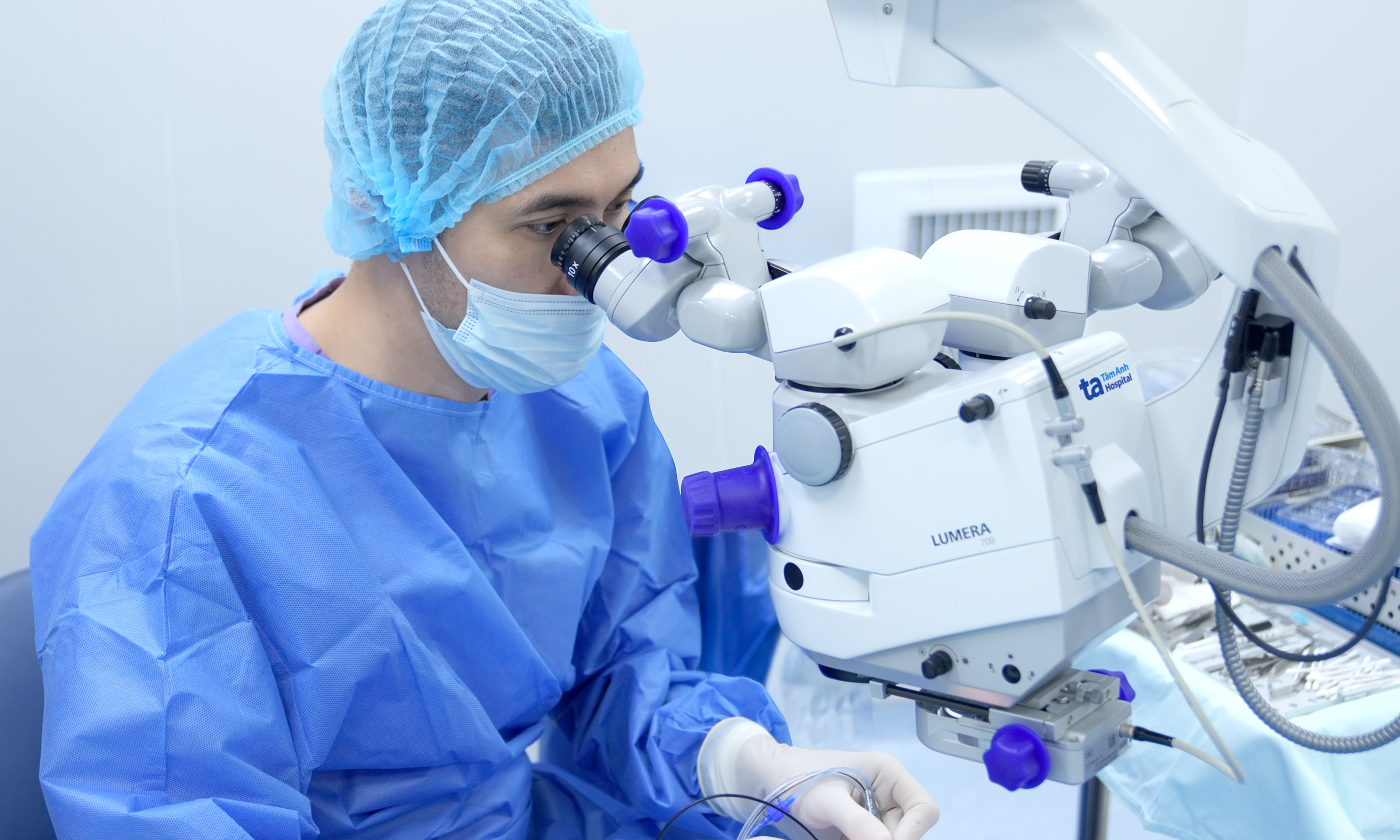
Most instances of eye twitching are benign, often linked to fatigue, stress, or lack of sleep. While many conditions can cause muscle spasms related to the nervous system, prolonged or frequently recurring eye twitching, especially when accompanied by drooping eyelids, double vision, or facial weakness, warrants medical attention to identify potential underlying conditions.
Dystonia
Dystonia is a neurological disorder causing involuntary muscle spasms that can affect various body parts, including the eyes, head, and neck. A common form, cervical dystonia, causes abnormal contractions in the neck muscles, leading to the head or neck twisting into unnatural positions. Individuals with dystonia may experience symptoms such as neck pain, head tremors, unusual shoulder elevation, or headaches. These symptoms often intensify with stress, fatigue, or during specific activities. The condition can begin in one muscle group and spread over time. While there is currently no complete cure, treatments like medication, botulinum toxin injections, and physical therapy can help manage symptoms and enhance quality of life.
Multiple sclerosis
In multiple sclerosis, the immune system attacks nerve fibers, disrupting signal transmission between the brain and body. Symptoms can manifest in episodes or progress gradually, including muscle spasms, tremors, weakness, fatigue, numbness, cognitive decline, eye pain, or double vision. Although there is no complete cure, various treatments can help slow the disease's progression.
Parkinson's disease
Parkinson's disease is a progressive neurodegenerative condition that impairs movement and daily activities. It may begin with subtle changes in handwriting or voice before typical symptoms emerge, such as tremors, muscle rigidity, slowed movement, and loss of balance. Some individuals also experience reduced facial expression. Treatment often combines medication, rehabilitation, lifestyle adjustments, and, in certain cases, surgery.
Benign essential blepharospasm
Benign essential blepharospasm is a neurological disorder directly affecting the eyes, tending to worsen over time. Those affected often experience light sensitivity and eyelid spasms, making it difficult to open their eyes. Depending on the severity, doctors may recommend botulinum toxin injections or surgery.
Myasthenia gravis
Myasthenia gravis is a neuromuscular disease, often linked to autoimmune disorders, which causes muscle weakness and difficulty controlling them. Individuals may experience eye twitching, drooping eyelids, or double vision. Beyond eye symptoms, the condition can lead to difficulties with movement, speech, fatigue, and even breathing. Symptoms can fluctuate in severity over time and are typically managed with medication and supportive therapies.
Bao Bao (Compiled)
| Readers can submit ophthalmology questions here for doctors to answer. |