 |
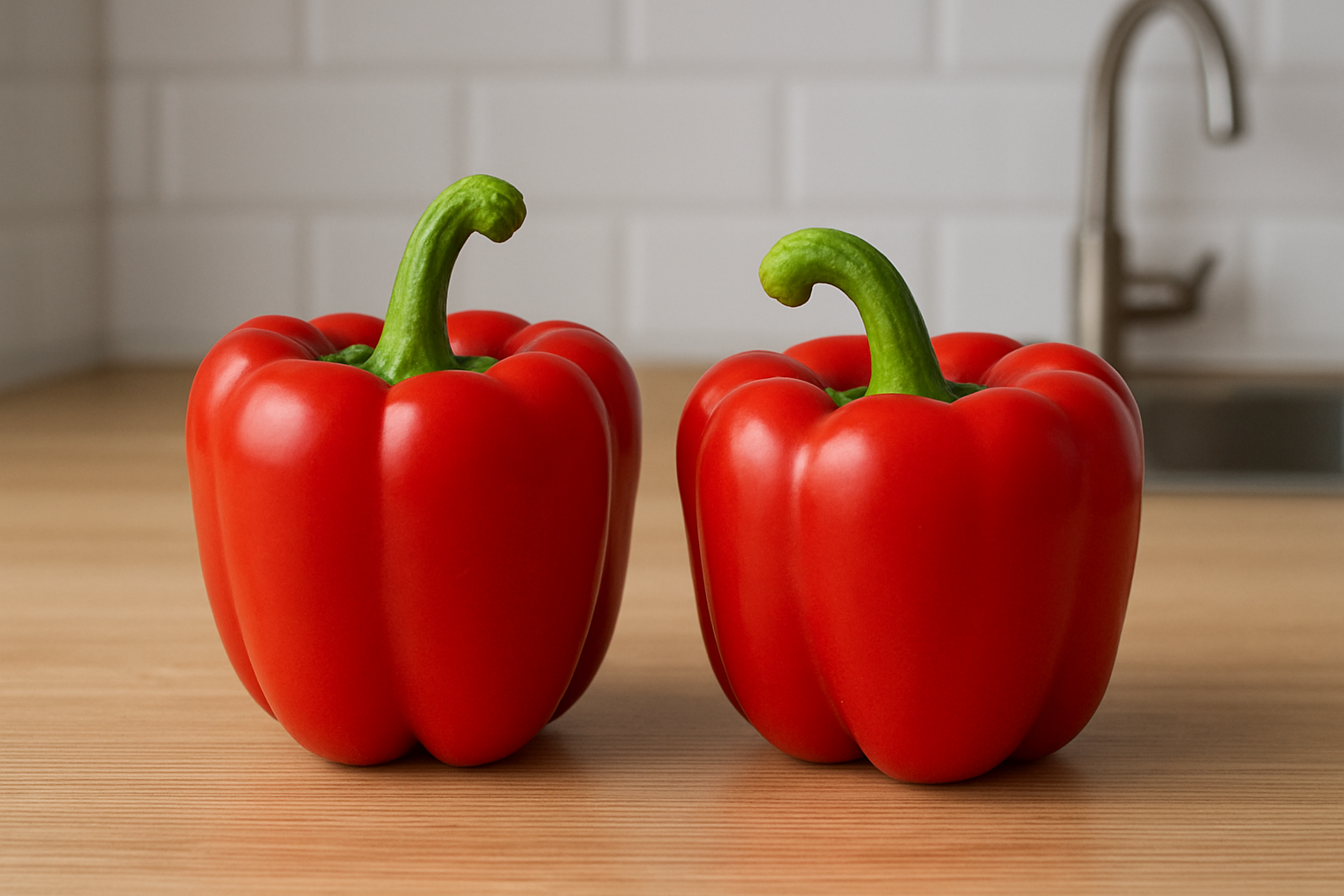
Bell peppers
Bell peppers contain vitamin C, a powerful antioxidant that boosts the immune system and improves skin health. Eaten raw, they are crisp and juicy. Their high water content helps keep the body hydrated, benefiting skin and overall health. Individuals should consume one to two bell peppers daily.
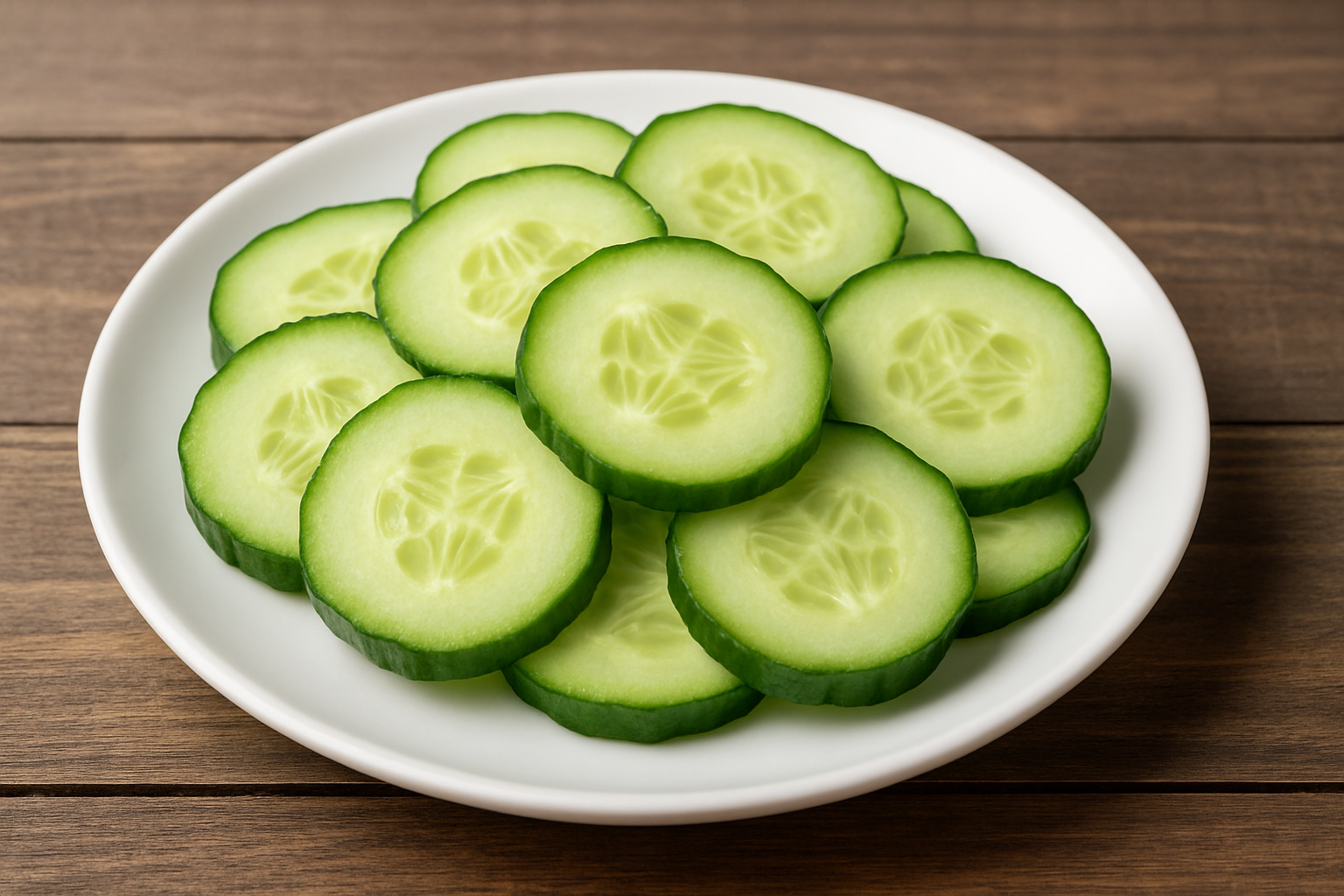 |
Cucumbers
Cucumbers are high in water, low in calories, and rich in vitamin K and antioxidants like flavonoids and tannins, which help reduce inflammation and protect cells. Slice them into salads or eat them directly to enjoy their crisp, refreshing taste. Consuming one to two medium cucumbers daily is safe for most healthy adults.
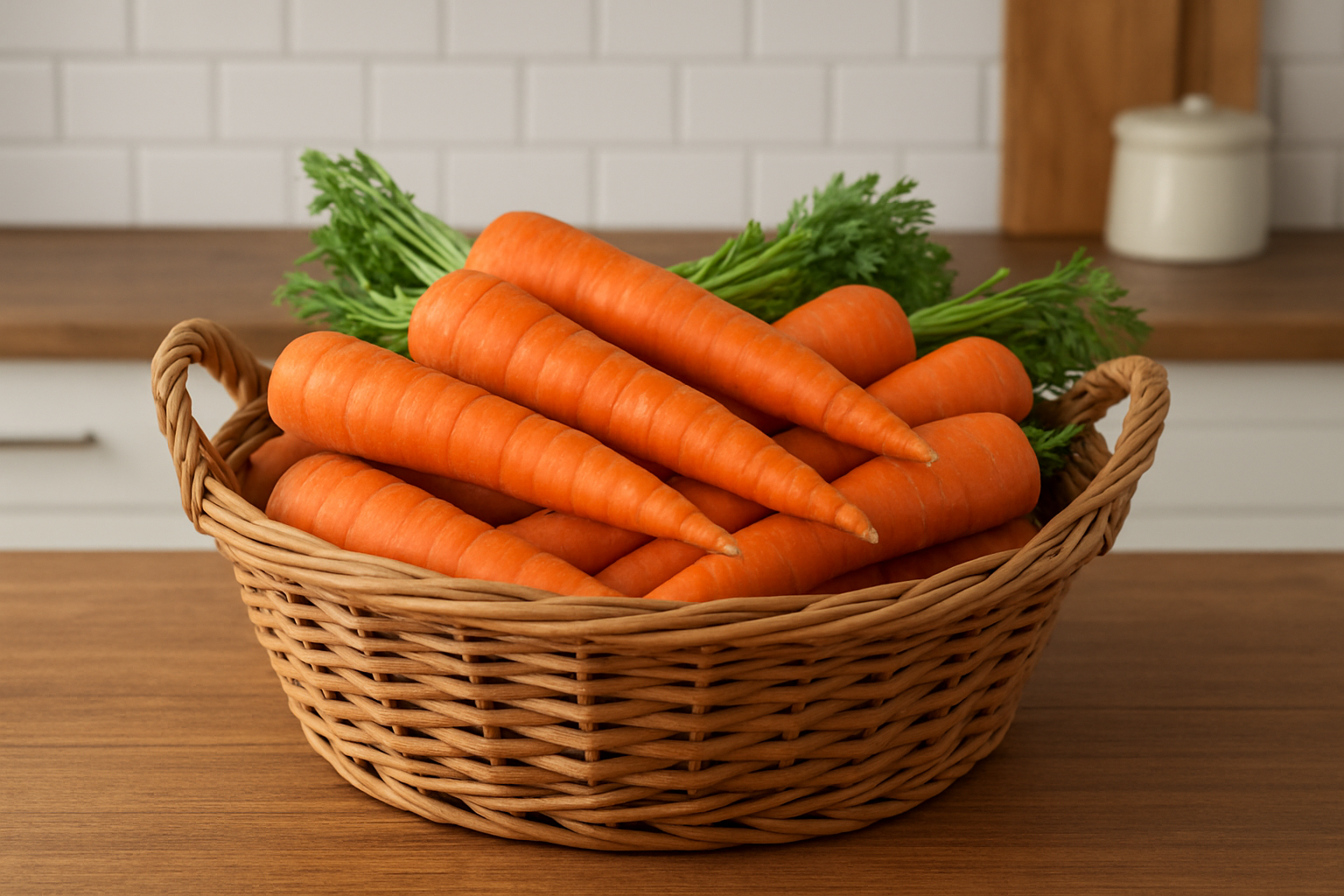 |
Carrots
The beta-carotene in carrots converts to vitamin A in the body, which is beneficial for vision and maintains healthy skin. Prepare carrots in salads or juices to preserve their natural sweetness. Consume carrots in moderation, about 100-150 g daily or three to four times weekly. Excessive consumption, especially of juice, can lead to yellowing of the skin.
 |
Spinach
Rich in vitamins and antioxidants, raw spinach provides benefits from vitamin K, iron, folate, and vitamin C, supporting bone, joint, and skin health. Incorporate spinach into salads, blend it into smoothies, or add it to sandwiches for a tasty meal. Aim for about 300-400 g of mixed vegetables daily to ensure adequate nutrition and health support.
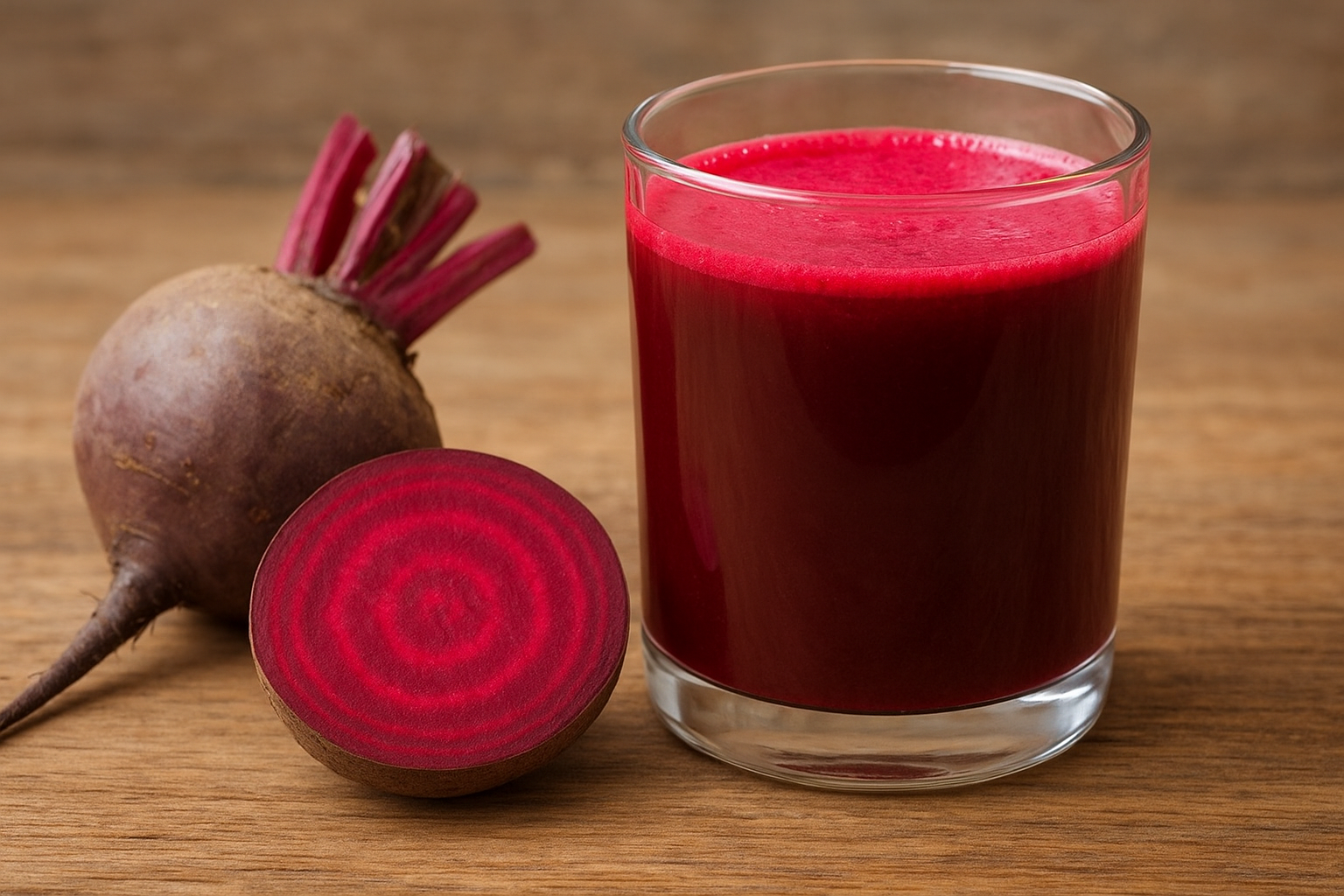 |
Beetroot
Beetroot's vibrant red color comes from betalains, antioxidants with anti-inflammatory properties. Consuming raw beetroot may lower blood pressure due to its nitrates. After eating, these nitrates convert to nitric oxide, which relaxes blood vessels and increases blood flow. Add beetroot to salads or spring rolls, or blend it into a smoothie, typically consuming 250 to 500 ml of juice daily, equivalent to one to two glasses.
Le Nguyen (According to Times of India)
Photo: AI