Effective management of high blood pressure requires a close combination of prescribed medication and sustainable lifestyle changes. Patients often make these common mistakes when managing their blood pressure.
Missing doses or irregular medication times
Forgetting to take medication or stopping when feeling well is a common mistake. Blood pressure medication only works if its concentration is stable enough to control blood vessels. Changes or interruptions in taking medication reduce its effectiveness.
Patients should associate medication times with other daily habits, such as brushing their teeth, or set phone reminders. Those who frequently forget doses should discuss simplifying their treatment regimen with their doctor.
Arbitrarily changing medication times or dosages
Unilaterally switching medication from morning to evening (or vice versa), or adjusting dosages without consulting the prescribing doctor, carries significant risks. Some medications are linked to the body's circadian rhythm or interact with other drugs. Such changes can reduce treatment effectiveness or increase the risk of side effects like nocturnal hypotension.
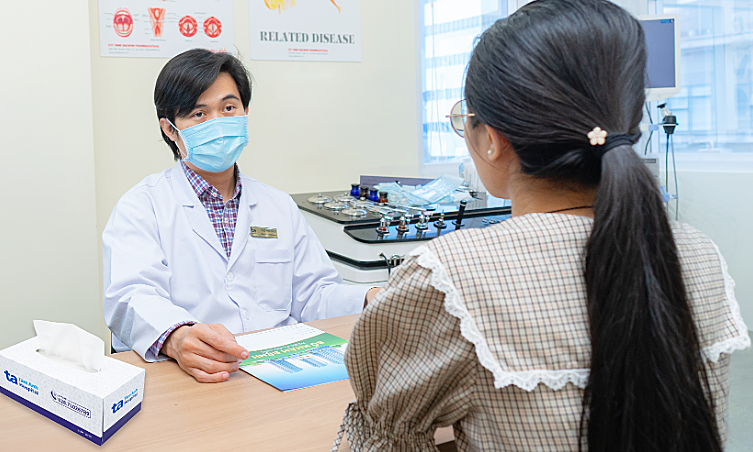
Patients should consult their doctor regarding medication times and dosages. A doctor can monitor blood pressure for 24 hours or consider a different medication to improve treatment effectiveness.
Ignoring the interaction between lifestyle and medication
Beyond taking prescribed medication, patients must adjust their lifestyle and maintain a healthy routine. Excessive salt intake, alcohol consumption, being overweight or obese, and insufficient sleep can all reduce the effectiveness of blood pressure-lowering medication.
Even taking medication at the correct time cannot compensate for these risk factors. For instance, a high-salt diet or untreated sleep apnea can make blood pressure difficult to control. In such cases, medication serves only as temporary support, rather than being part of a comprehensive treatment plan.
If blood pressure suddenly spikes, patients should rest in a cool, airy place, breathe deeply, and loosen their clothing. Soaking feet in warm water can temporarily help lower blood pressure. Patients should also monitor their health and contact a medical facility if necessary.
By Le Nguyen (Source: Times of India)
| Readers can submit questions about cardiovascular health here for doctors to answer |