


 |
Omega-3 fatty acids are healthy fats, comprising eicosapentaenoic acid (EPA), docosahexaenoic acid (DHA), and alpha-linolenic acid (ALA). These are commonly found in nuts and fatty fish, such as salmon and herring. Regularly incorporating omega-3 fatty acids into your diet can reduce inflammation and boost the production of melatonin, the sleep hormone.
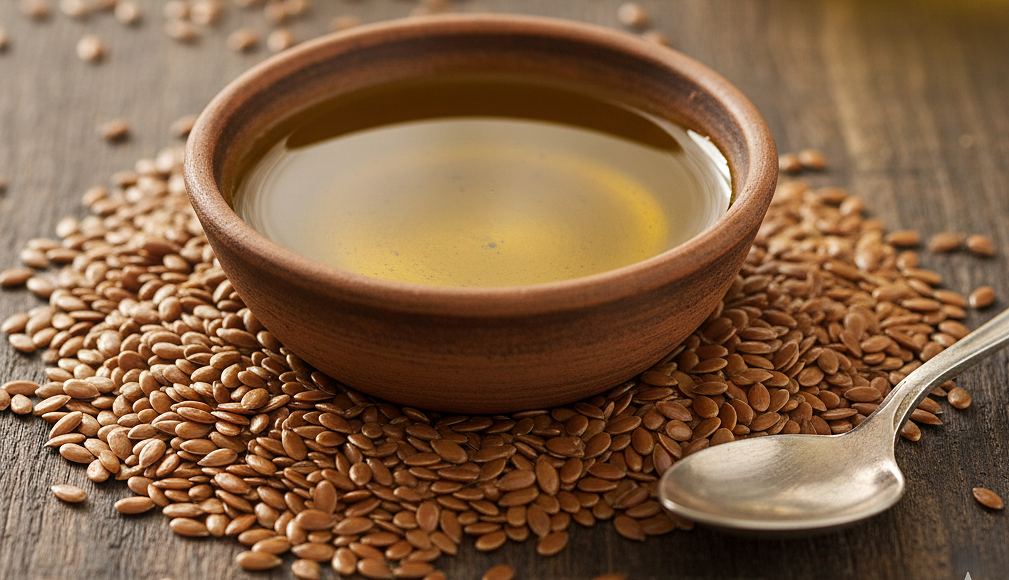
Flax seeds
A 30 g serving of flax seeds contains approximately 6,5 g of ALA. Regular consumption of flax seeds is beneficial for heart health, improving cholesterol levels, reducing inflammation, and lowering blood pressure. Beyond healthy fats, flax seeds also provide fiber and lignans, which are antioxidant compounds capable of neutralizing free radicals.
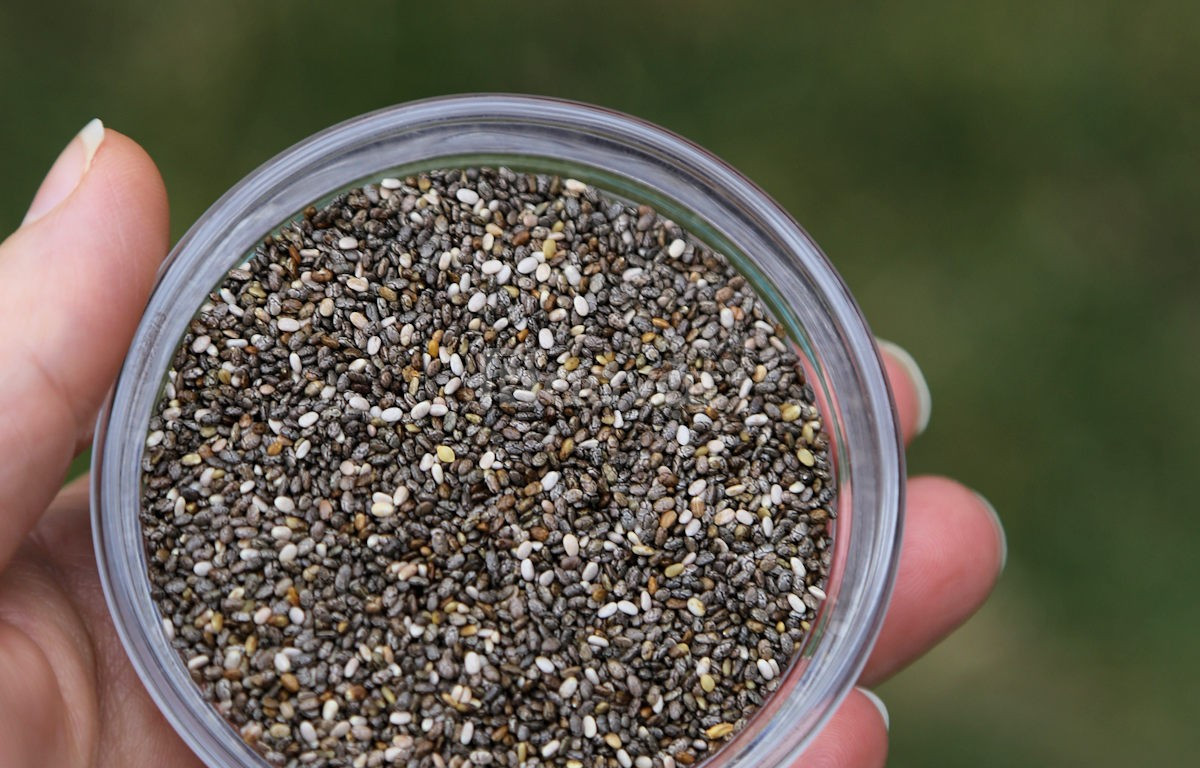 |
Chia seeds
Chia seeds are a rich plant-based source of omega-3. About 50-60% of the fat in chia seeds is ALA, a polyunsaturated fatty acid that the body cannot synthesize on its own. A 30 g serving of chia seeds provides approximately 4-5 g of ALA. The recommended daily ALA intake is 1,6 g for men and 1,1 g for women. Chia seeds are also rich in fiber, protein, calcium, magnesium, and other essential minerals.
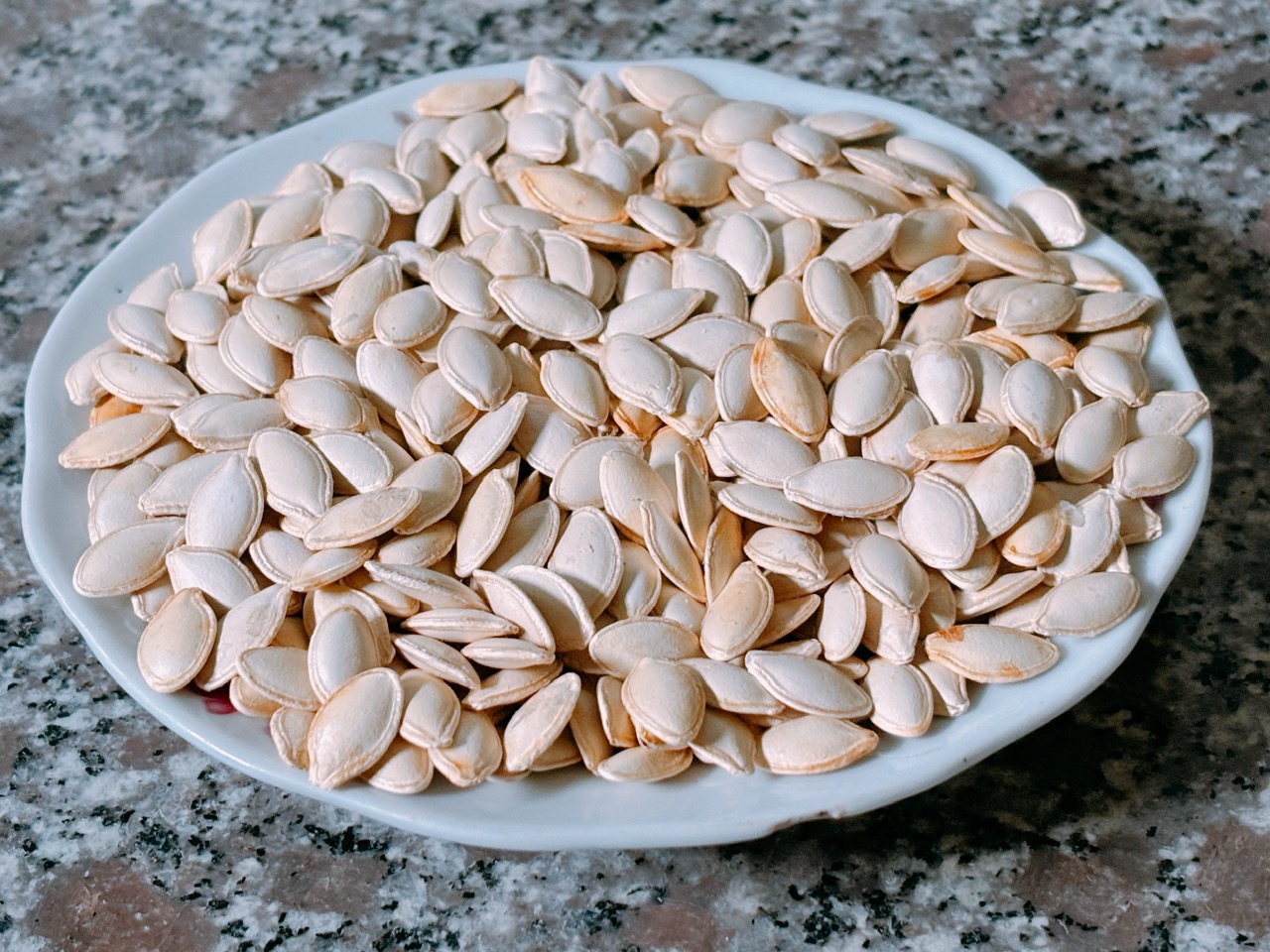 |
Pumpkin seeds
The primary omega-3 fatty acid in pumpkin seeds is ALA, offering numerous cardiovascular benefits such as reduced cholesterol and blood pressure. The omega fatty acids in pumpkin seeds also possess anti-inflammatory properties, contributing to reducing the risk of chronic diseases. These seeds are rich in essential minerals like magnesium and zinc, both of which enhance sleep quality.
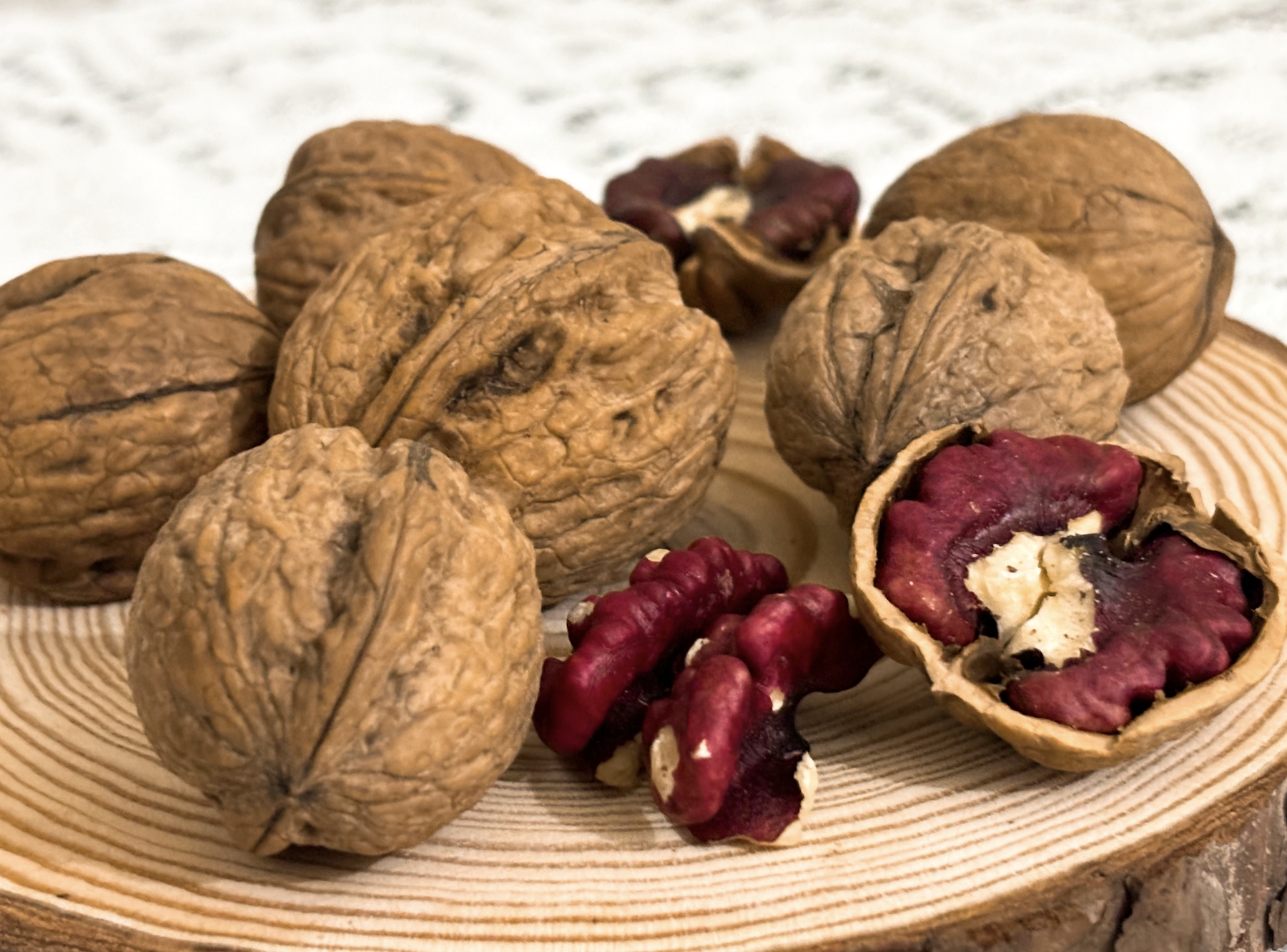 |
Walnuts
Walnuts provide an abundant plant-based source of omega-3 fatty acids. While walnuts have a lower ALA content than chia or flax seeds, at approximately 2,5 g per 30 g, they are rich in natural melatonin, serotonin, and magnesium. These compounds help the body relax, fall asleep more easily, and achieve deeper sleep. Consuming a handful of walnuts (5-6 nuts) daily can meet the body's daily omega-3 requirements.
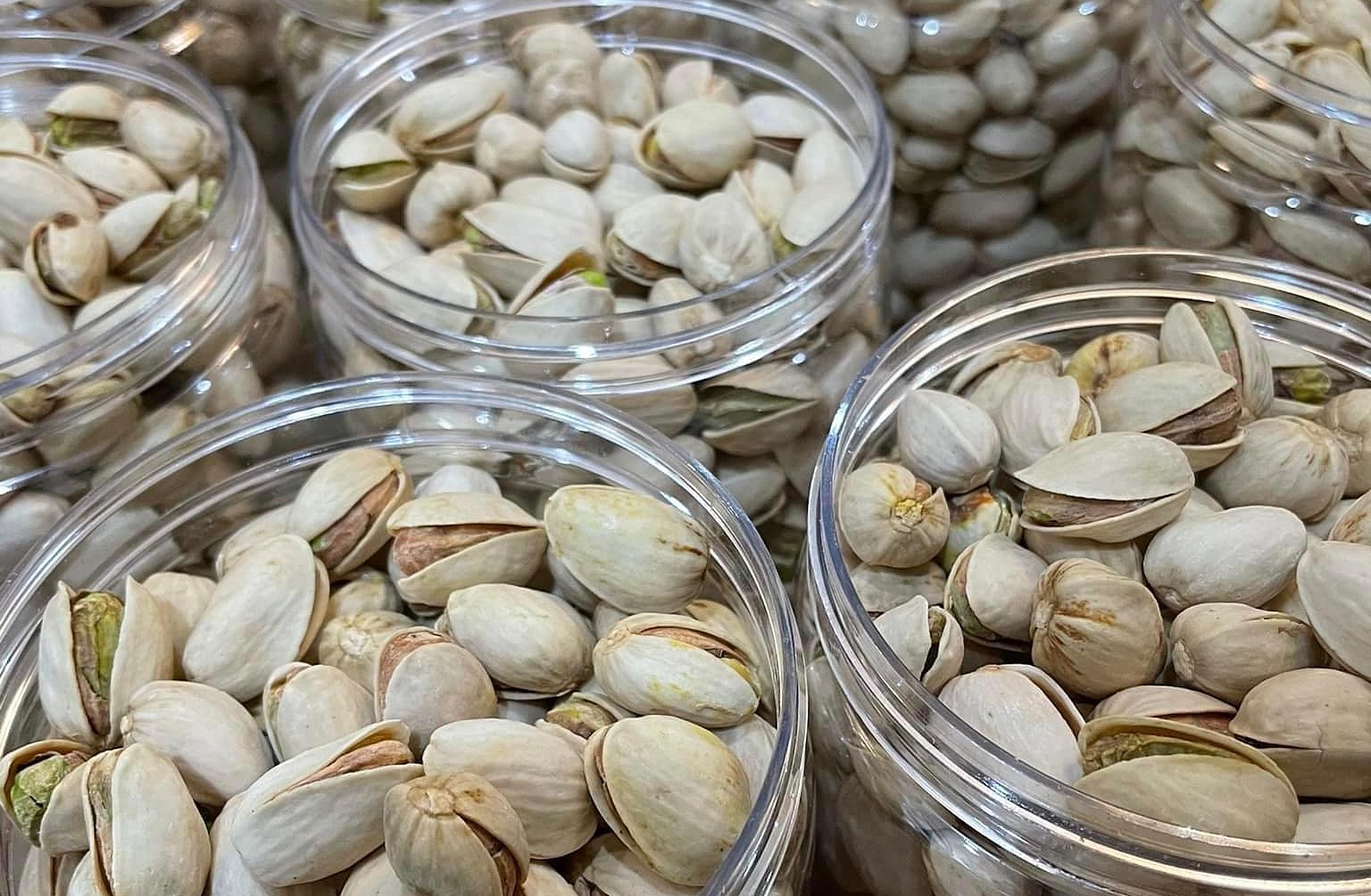 |
Pistachios
A 30 g serving of pistachios provides nearly 6 g of protein and 3 g of fiber, which contribute to satiety and promote digestive health. Pistachios also contain various vitamins, minerals, and antioxidants, supporting weight management and regulating blood sugar. Regular consumption of these nuts helps supplement omega-3 fatty acids (ALA), thereby improving sleep quality.
Anh Chi (According to Very Well Health)
Photo: Anh Chi, Bao Bao, AI


