Muscle loss does not only manifest as shrinking limbs or weight reduction. Body fat can increase while muscle mass decreases, leading to little or no change in weight. This condition is common in older adults but can also appear in middle age, especially with low physical activity, inadequate nutrition, or chronic illnesses. Below are five common indicators of muscle loss:
Difficulty holding or carrying objects: A notable change is finding it harder to open bottle caps, carry grocery bags, or lift a suitcase, tasks that were previously easy. You might need to switch hands, rest midway, or ask for help, even without joint pain, hand injuries, or neurological conditions, and this difficulty tends to persist.
Needing hand support to stand up: Having to use your hands on a chair, thighs, or a table to stand often indicates weak thigh and hip muscles, which no longer generate sufficient force. You can self-check with a sturdy chair: if you stand up much slower, need momentum, or cannot repeat the action several times without using your hands, you should take note. Avoid this test if you have joint pain, dizziness, or are prone to falls; in these cases, assessment should be done with a medical professional.
Quick fatigue when climbing stairs: If climbing one flight of stairs, previously normal, now makes your legs feel heavy, requires you to hold the handrail, slow down, or stop to rest, it could signal reduced lower limb strength. Difficulty climbing stairs can also relate to heart or lung disease, anemia, or musculoskeletal pain. If accompanied by unusual chest pain, shortness of breath, dizziness, or sudden onset, patients should seek medical attention rather than attributing it solely to age.
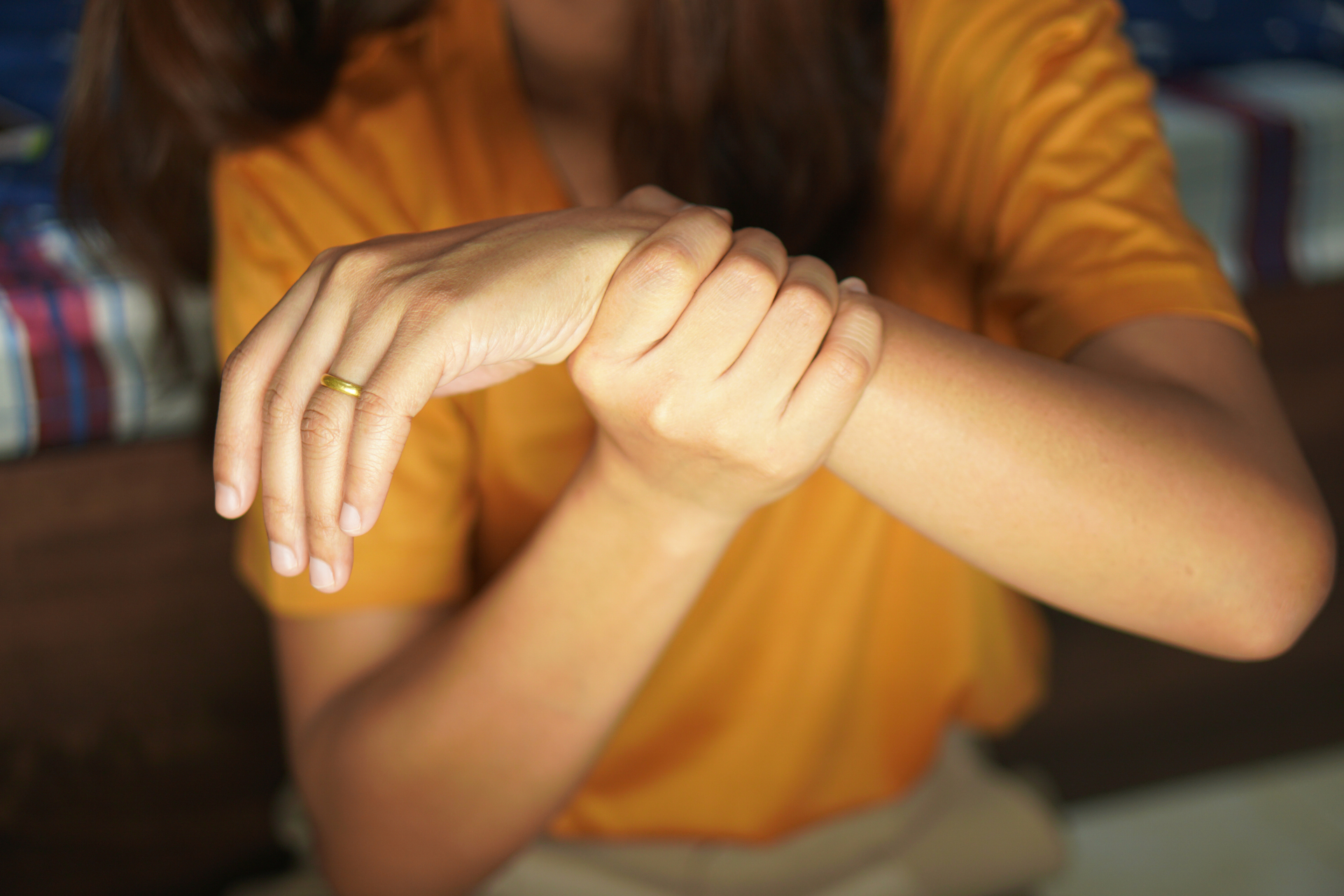 |
Reduced muscle strength can occur even if the body has no illness. Illustration: Vecteezy
Slow walking or needing assistance: Shorter strides, slower walking, difficulty keeping pace with peers, or needing to hold onto walls or other people indicate declining motor function. The SARC-F screening questionnaire uses the ability to walk, stand from a chair, and climb stairs to identify individuals at risk of muscle loss. This is a screening tool, not a diagnosis, as gait is also influenced by vision, balance, joints, cardiovascular, and nervous systems.
Prone to losing balance or falling: Frequent stumbling, difficulty maintaining balance when changing direction, or a sensation that your legs lack the strength to support your body can all indicate reduced strength and mobility. Falls should not be considered "normal due to age". Medications causing drowsiness, orthostatic hypotension, vision problems, inner ear issues, neurological conditions, and many other diseases also increase fall risk. If you have fallen, nearly fallen multiple times, or cannot stand up independently, you should inform your doctor to determine the cause and prevent injuries.
The five signs mentioned above are particularly concerning when they appear simultaneously, progress over several months, or occur after an illness, hospitalization, or prolonged period of inactivity. Doctors can assess grip strength, time to stand from a chair, walking speed, and, if needed, evaluate body composition. Patients will also have their diet, current medications, and underlying causes such as endocrine, neurological, cardiopulmonary, or chronic inflammatory diseases reviewed. If strength declines rapidly, weakness affects one side, speech difficulties, chest pain, or acute shortness of breath occur, immediate medical attention is necessary.
To maintain muscle mass, walking is beneficial but insufficient. Adults should combine endurance exercise with strength training for major muscle groups at least two days each week, using body weight, resistance bands, or appropriate weights. Individuals who have not exercised for a long time, have underlying conditions, or joint pain should start gently, gradually increase intensity, and consult a specialist about safe activity levels. Meals need adequate energy and diverse protein sources; additionally, get sufficient sleep, limit prolonged sitting, and manage chronic diseases.
A severe infection can lead to poor appetite, prolonged bed rest, and rapid functional decline, especially in an already weakened body. Therefore, in addition to exercise and nutrition, individuals over 40 should review their vaccine schedule based on age, underlying conditions, occupation, and exposure risk. Vaccines do not directly prevent muscle loss, but they help reduce the risk of preventable diseases and limit periods of prolonged bed rest due to illness.
Van Ha