The rainy season increases children's susceptibility to respiratory illnesses like the common cold, pharyngitis, bronchitis, bronchiolitis, influenza, or pneumonia. Cold, wet weather often triggers prolonged coughing and wheezing in children with allergies or bronchial asthma.
Master, Doctor Le Thi Hong Hue, from the Pediatrics Unit at Tam Anh General Clinic District 7, notes that many parents seek medical attention for their children only when symptoms like fever, persistent cough, or severe fatigue appear. However, early preventive measures can significantly reduce complications and prevent family-wide transmission.
Keeping children warm properly
When the weather is cold or after being out in the rain, parents should keep their children's necks, chests, feet, and hands warm, especially in the early morning and at night.
If a child sweats excessively or gets wet, parents should dry them and change their clothes quickly to prevent a cold. Children should avoid wearing too many layers; this can cause overheating and sweating, making their bodies damp and increasing respiratory illness risk.
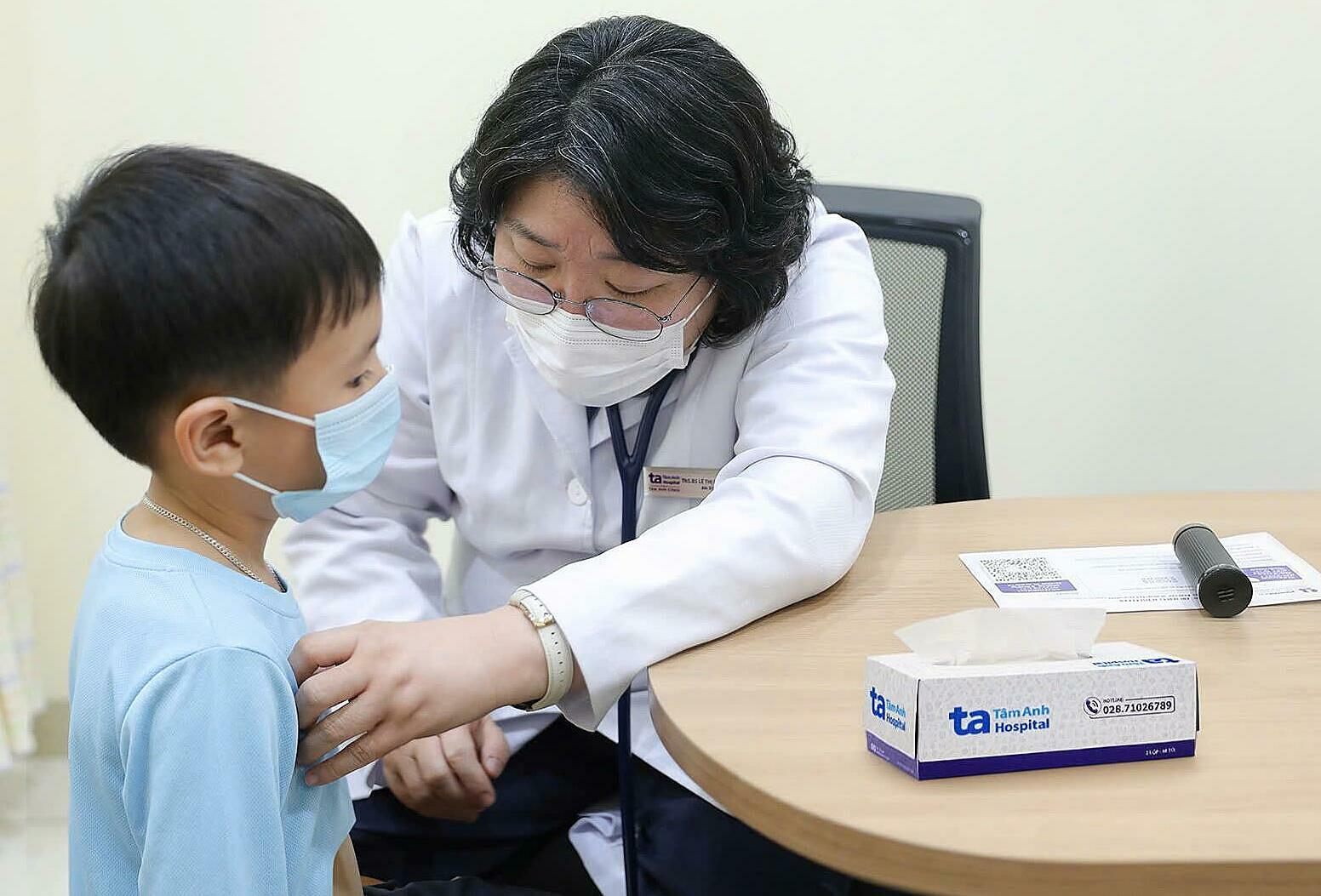 |
Doctor Hue examines a child at Tam Anh General Clinic District 7. Illustration: Trung Vu. |
Handwashing and nose/throat hygiene
Respiratory viruses can spread through hands, droplets, or shared surfaces. Parents should teach children the habit of washing their hands with soap before eating, after school, after using the restroom, or after coughing or sneezing.
Parents should instruct children to cover their mouths when coughing and not to share personal towels. Clean a child's nose with physiological saline when they are exposed to a lot of dust or when the weather changes.
Ensuring adequate nutrition
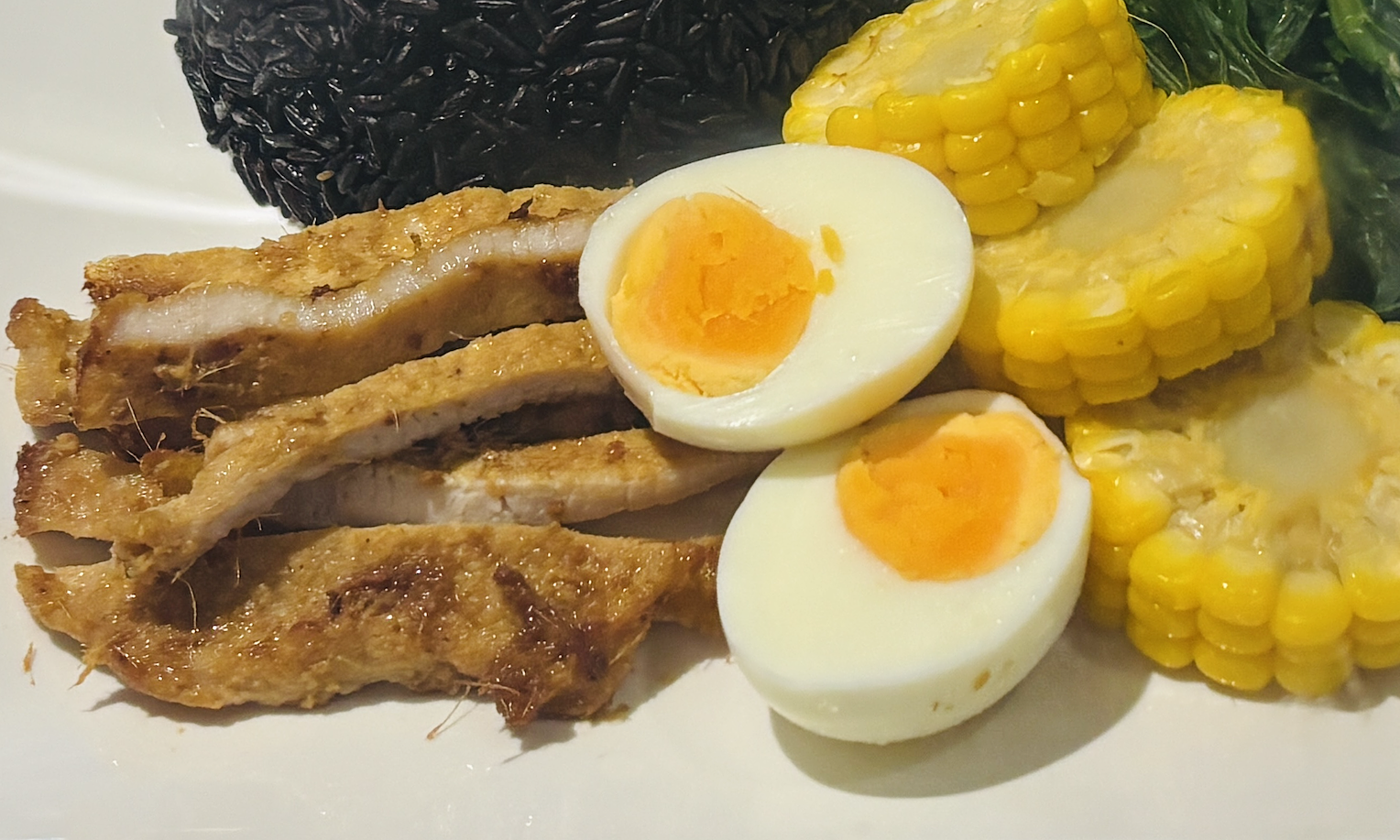
Daily meals should include all essential food groups: carbohydrates, protein, healthy fats, vitamins, and minerals. In addition to vitamin C-rich foods such as oranges, mandarins, and guavas, children require zinc, iron, and protein from sources like meat, fish, eggs, and milk to strengthen their immune system.
Healthy fat sources from sea fish, avocados, vegetable oils, and nuts support immune system function and a child's overall development.
During the rainy season, children still need to drink enough water to maintain metabolic activity and keep respiratory mucous membranes moist. Parents should ensure children drink water regularly throughout the day, without waiting until they are thirsty.
Children aged 1-3 years need about 1-1,3 liters of water daily, those aged 4-8 years should drink about 1,3-1,7 liters, and older children may need 1,8-2 liters depending on their physical condition and activity level. Children who are very active, play sports, or sweat a lot need more water.
Maintaining a well-ventilated living environment
High humidity during the rainy season fosters mold, bacteria, and dust growth indoors, raising the risk of irritation and respiratory inflammation in children. Parents should regularly clean bedrooms, bedding, children's toys, and air conditioners to reduce accumulated dirt, microorganisms, and allergens.
Homes require cleanliness and good ventilation to prevent prolonged dampness. Adults must not smoke in children's living areas and should limit children's exposure to smoke, dust, and pollution. These irritants can trigger airways, causing children to cough, wheeze, or experience respiratory illness relapses.
Ensuring full vaccination
Timely vaccination helps prevent many dangerous respiratory diseases in children, such as influenza, pneumococcal pneumonia, whooping cough, and diphtheria.
Parents should seek immediate medical attention if a child exhibits symptoms such as a high fever lasting over two days, persistent coughing, rapid breathing, wheezing, refusing to feed, or severe fatigue.
Minh Tam
| Readers can submit questions about children's illnesses here to receive answers from a doctor |