 |
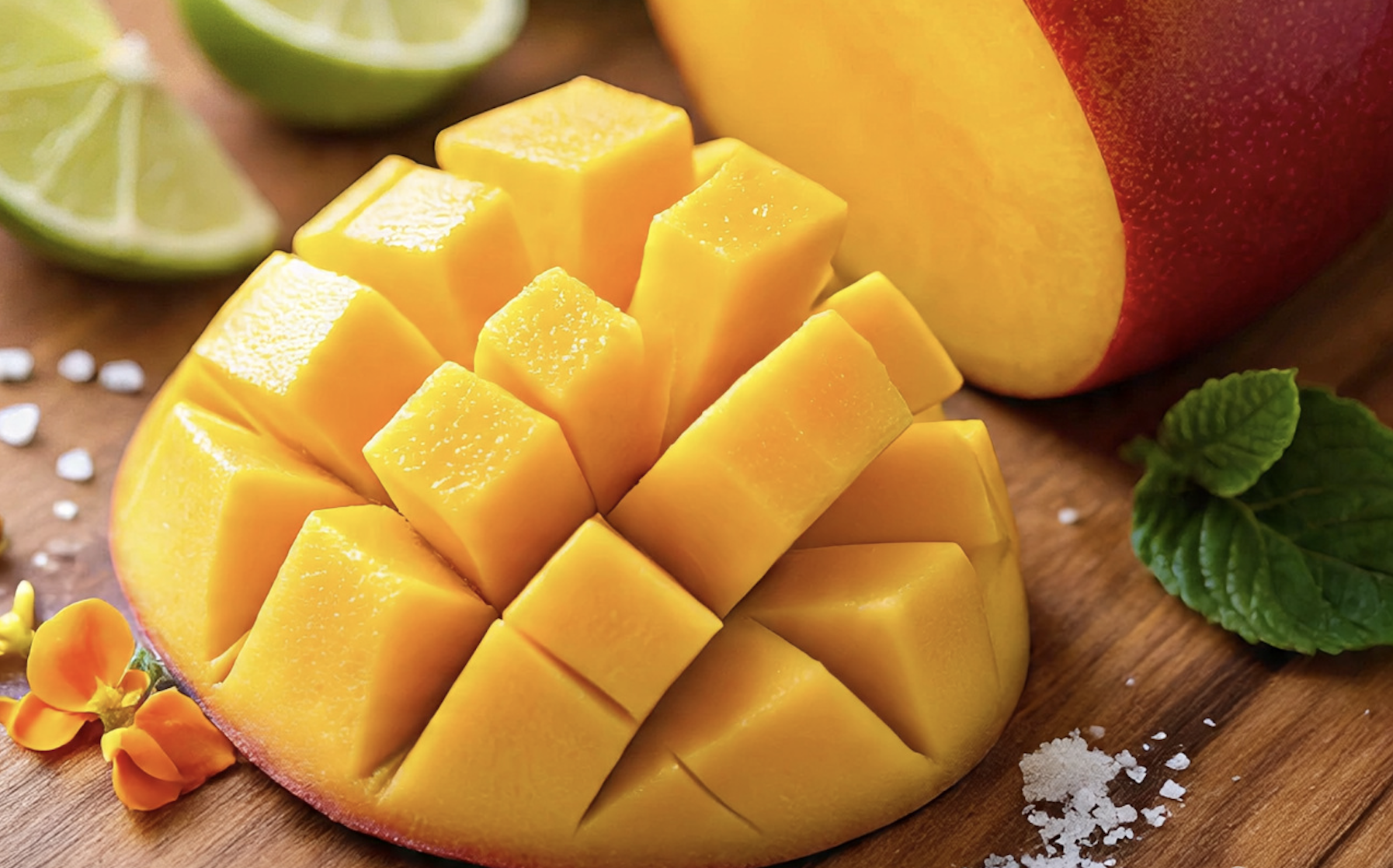
Ripe mangoes are sweet and juicy, with high sugar content; one medium fruit can contain up to 45 g of sugar. This high glycemic index can quickly raise blood sugar levels, making diabetes management difficult. Diabetics should avoid mangoes or consume them in very small amounts, closely monitoring their blood sugar. |
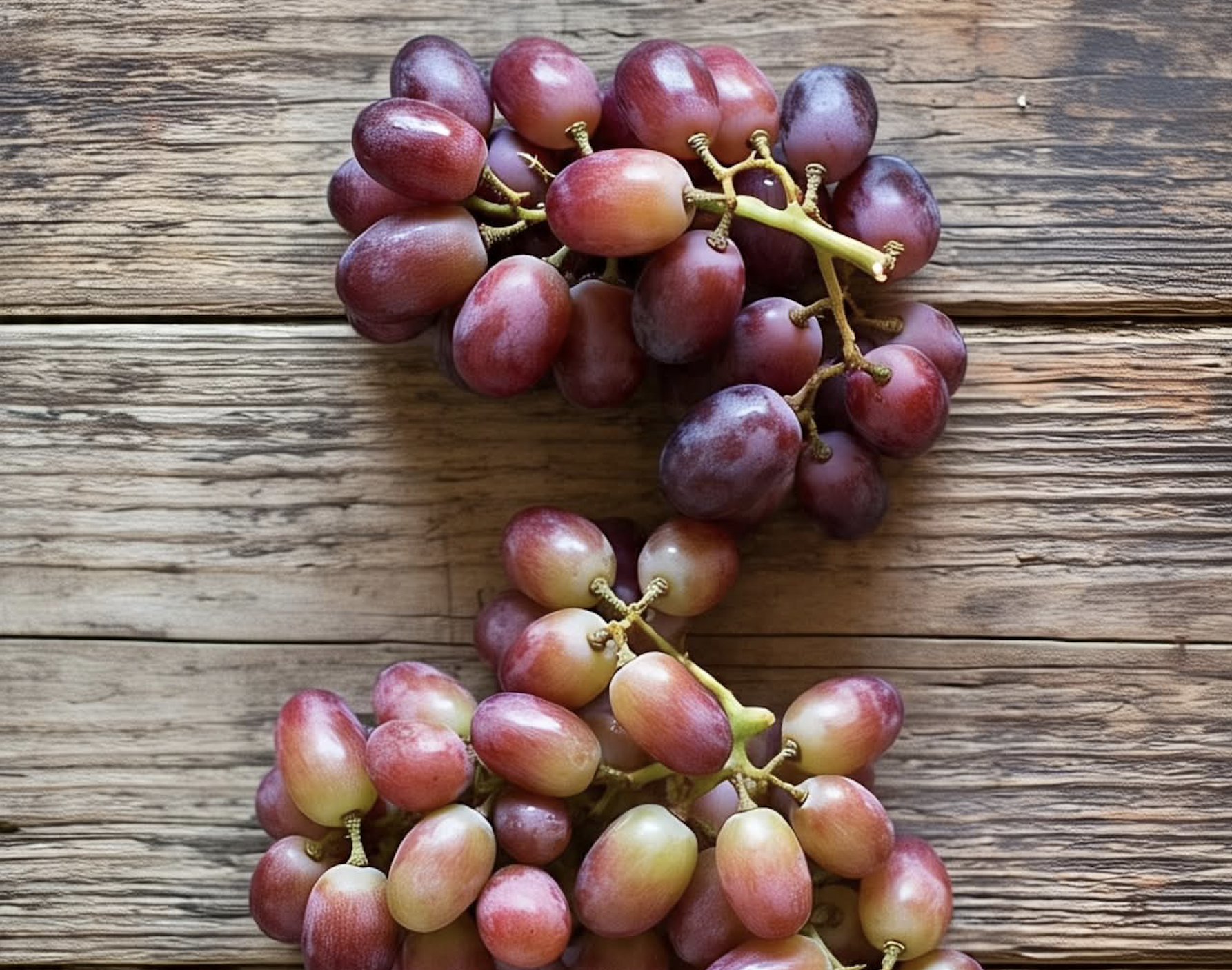 |
One cup of grapes contains about 23 g of sugar. Grapes are small and easy to overeat, leading to a significant sugar intake. They also have a high glycemic index. If you are managing blood sugar, you should choose a few grapes instead of eating an entire bunch and balance your consumption with other low glycemic index foods. |
 |
One medium banana contains about 14 g of sugar and 27 g of carbohydrates. The ripeness of a banana also affects its sugar content, with riper ones having a higher glycemic index. Prioritize choosing smaller bananas and combine them with sources of protein or healthy fats, such as yogurt or nuts, to slow down sugar absorption. |
 |
Pineapple is rich in vitamins and enzymes like bromelain. One cup of diced pineapple contains about 16 g of sugar. Its high sugar content, combined with a moderate glycemic index, can significantly raise blood sugar levels. |
 |
Durian has high sugar and calorie content. Although this fruit has a low glycemic index and contains many beneficial nutrients, overconsumption can lead to increased blood sugar and weight gain. Diabetics should limit consumption or avoid durian completely. |
Bao Bao (According to Times of India)
Photos: Bao Bao, AI