Asthma is a common chronic respiratory disease characterized by inflammation, swelling, and constriction of the airways, causing shortness of breath. It is non-communicable and can be well-controlled with medication, but it often recurs. Here are some tips to help patients improve their health.
Adhere to the treatment plan
Patients should adhere to their doctor's treatment plan even when symptoms subside. Regular medication use can prevent asthma flare-ups, while arbitrarily stopping medication can be dangerous. Asthma cannot be completely cured, so consistent treatment is a key factor for long-term health protection.
Identify and avoid triggers
Common irritants include dust mites, pollen, cigarette smoke, and pet dander. Patients should keep their homes clean, use air purifiers when necessary, and wear masks in highly polluted areas. Avoid using old pillows, mattresses, carpets, and curtains. These items often contain dust mites, which can cause continuous asthma symptoms.
Monitor symptoms
Patients should keep a daily symptom diary or use a mobile application. Asthma patients need to monitor signs such as coughing, wheezing, chest tightness, and shortness of breath. This monitoring helps in early recognition of severe signs, avoiding complications like respiratory failure, pneumonia, or collapsed lung, and improving quality of life.
Exercise scientifically
Regular exercise can strengthen lung health; prioritize activities such as swimming, walking, and yoga. Dedicate 10-15 minutes to a thorough warm-up before exercising and gradually slow down at the end to avoid bronchospasm. Avoid outdoor exercise when there is a high pollen count, cold or dry air, or pollution. Patients should consult a doctor when starting a new exercise regimen.
Regular health check-ups
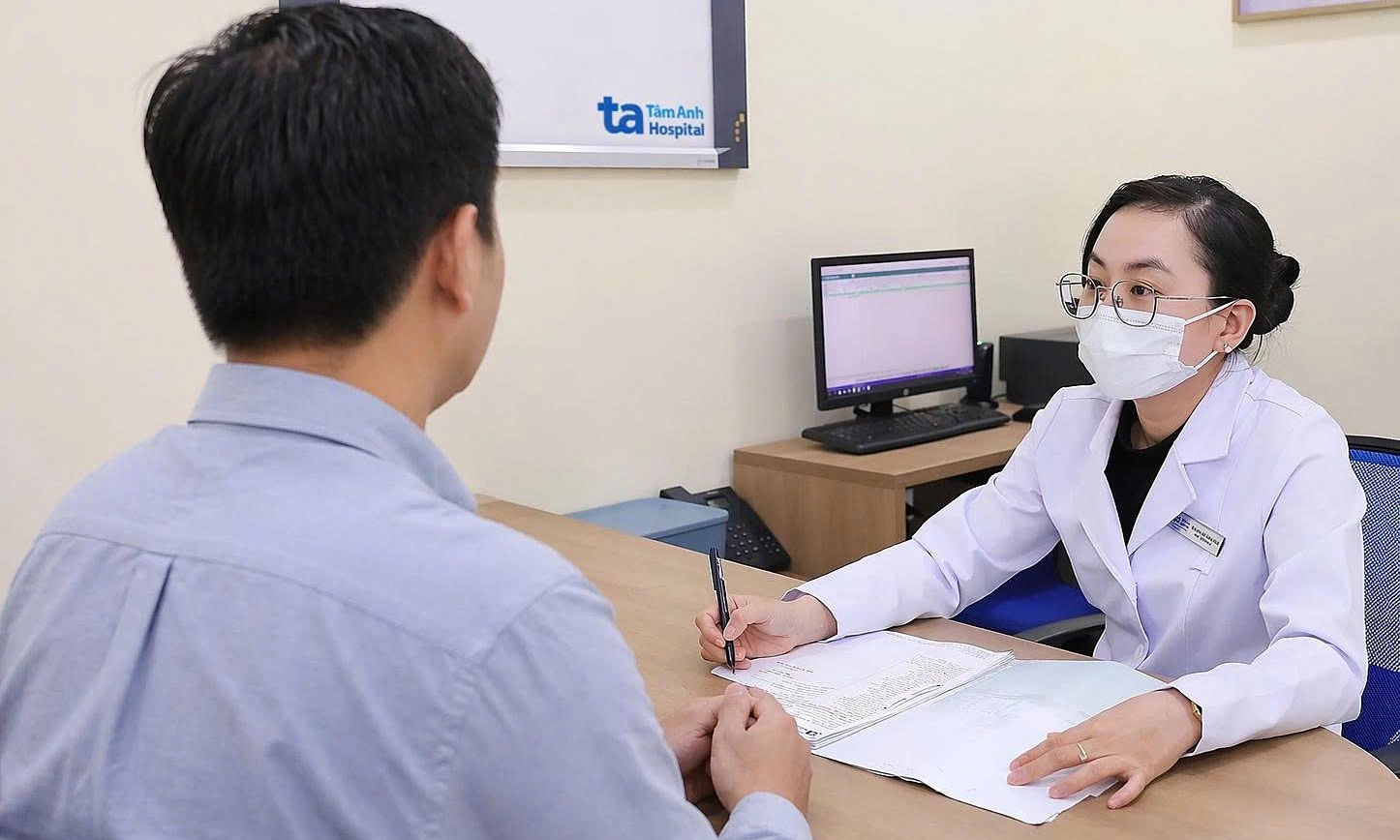
Asthma symptoms can change over time. Patients should undergo regular health check-ups to adjust their treatment plan when needed, manage the chronic disease, and prevent complications.
Le Nguyen (According to WebMD, Times of India)
| Readers can submit questions about respiratory diseases here for doctors to answer |