Tossing and turning for hours not only leads to fatigue the next day but also increases stress, making it even harder to fall asleep. Many people try to stay in bed or use their phones to pass the time when they cannot sleep, inadvertently making their brains more alert and prolonging insomnia. Simple changes can help you drift off more easily.
Do not force yourself to sleep
Many believe that staying still in bed will make it easier to sleep. However, if you have been in bed for about 20 minutes and are still awake, experts advise leaving the bed instead of continuing to toss and turn.
Lying restlessly for hours can lead your brain to associate the bed with stress instead of relaxation. This makes it harder to sleep on subsequent nights. Move to another room or a quiet corner of your home to relax, and only return to bed when you start to feel sleepy.
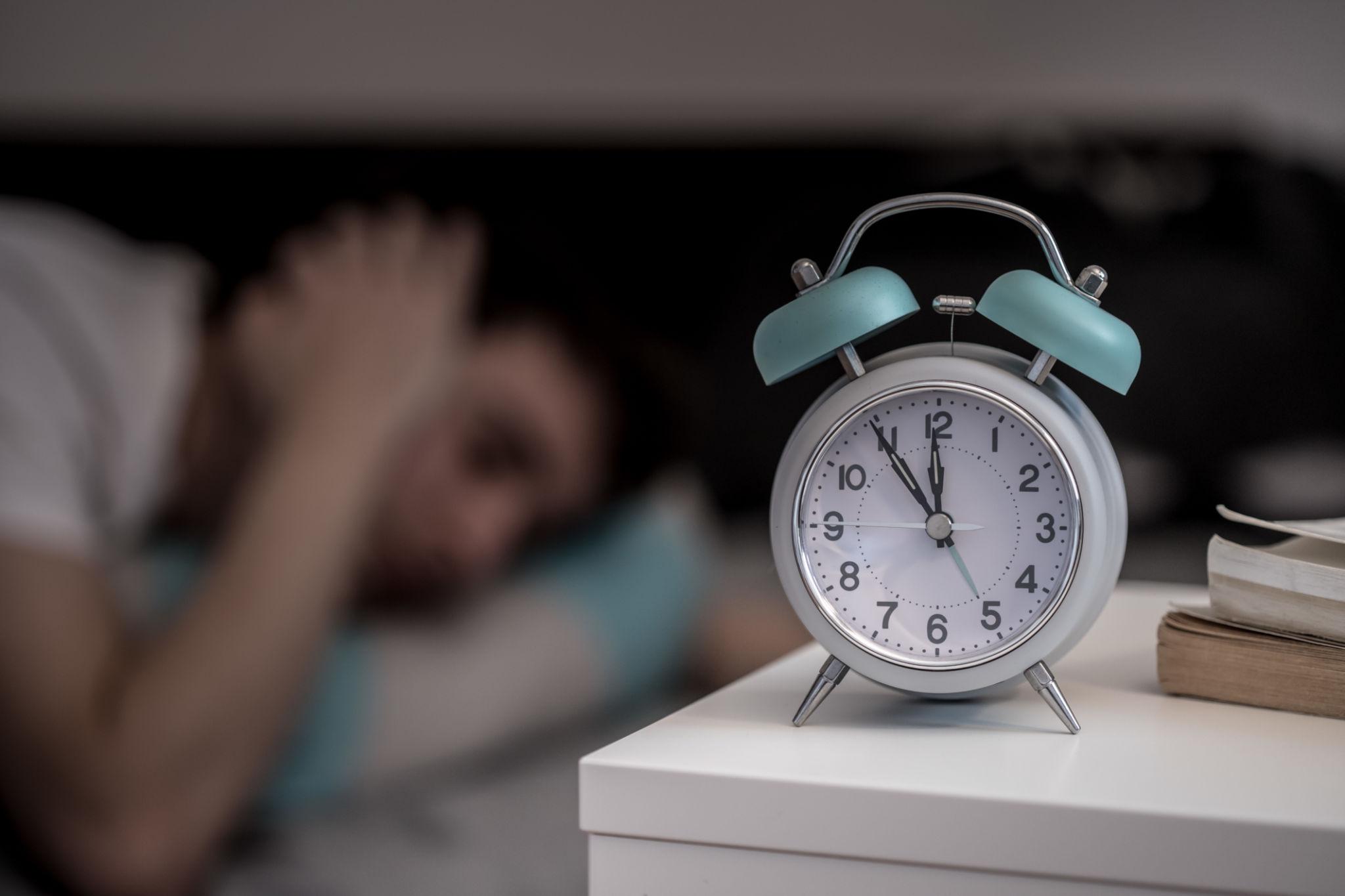 |
Constantly checking the time while tossing and turning can increase anxiety and make it harder to fall asleep. AI-generated image
Read under soft light
After leaving bed, choose gentle activities that do not overstimulate your brain. The goal is to help your body relax until sleepiness appears. Suitable activities include: reading a few pages of a physical book, journaling, meditating or practicing slow breathing, coloring or drawing, folding clothes. Perform these activities under soft light; avoid bright lights, as they can reduce melatonin secretion, the hormone that regulates sleep.
Do not use your phone
Scrolling through your phone is a common reflex for many who cannot sleep, but it is one of the most important things to avoid.
Blue light from screens can inhibit melatonin production, keeping the body awake longer. Furthermore, reading news, watching videos, or browsing social media also stimulates brain activity, making it harder to relax. If you need entertainment, prioritize reading a physical book or listening to soft music instead of using screen devices.
Only return to bed when you feel sleepy
Do not return to bed just because you think it is time to sleep. Experts advise only getting into bed when your eyelids feel heavy and you experience sleepiness. If you return too early and remain awake, you risk repeating the cycle of tossing and turning.
If you return to bed and still cannot sleep after about 20 minutes, repeat the process: leave bed, relax, and only return when you feel sleepy.
Do not constantly check the clock
Constantly checking the clock can increase psychological pressure. Racing thoughts can easily cause your body to release more stress hormones, making it even harder to sleep.
If possible, turn your clock away or place your phone out of reach to avoid forming the habit of checking the time repeatedly.
A few nights of insomnia are generally not a concern. However, you should seek medical attention if this condition persists and affects your life. Chronic insomnia typically involves difficulty falling asleep or waking up at least three nights per week, lasting for three months or longer, and causing daytime fatigue and reduced concentration.
By Bao Bao (Compiled)