Many people reduce portion sizes, even fast often, but their weight stays unchanged. Weight loss depends not only on food intake but also on how the body uses energy, lifestyle, and health.
Eating less but still consuming a lot of energy
According to Eat This, Not That, consuming fewer calories is not guaranteed by eating less. A pastry, a glass of milk tea, or a few cookies can contain calories equivalent to, or even more than, a meal with meat and vegetables.
Many people reduce rice but eat more processed or fried foods. These items are energy-dense yet provide little satiety, causing total calorie intake to exceed the body's needs.
Protein deficiency
Many individuals aiming for weight loss reduce intake of meat, fish, eggs, or dairy, fearing fat. However, protein is a crucial nutrient, maintaining muscle mass and promoting lasting satiety.
A diet low in protein causes the body to break down muscle for energy. As muscle mass decreases, metabolic rate slows, meaning the body burns fewer calories even at rest. This results in slow weight loss or easy weight regain.
Those aiming for weight loss should include protein from lean meat, fish, eggs, low-fat dairy, tofu, legumes, and nuts in suitable amounts at each meal.
 |
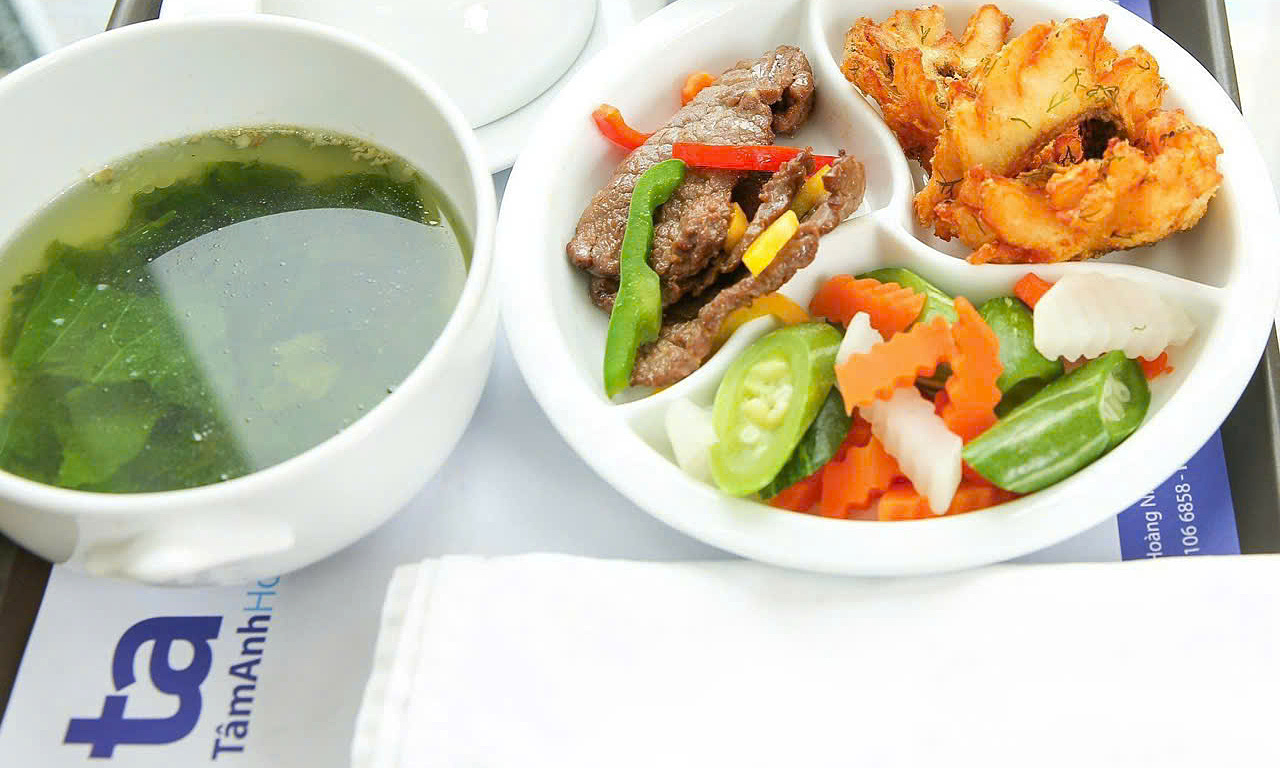
Individuals aiming for weight loss still need to consume sufficient protein from meat and tofu. Illustration: Bui Thuy |
Fiber deficiency
Fiber from green vegetables, fruits, whole grains, and legumes slows digestion, prolongs satiety, and limits overeating. Reducing rice without increasing fiber-rich foods quickly leads to hunger and cravings for sweets or high-energy foods. This increases daily calorie intake, often unnoticed, according to Eating Well.
Low physical activity
Weight loss balances energy intake and expenditure. Thus, eating less but mostly sitting, walking little, or not exercising results in low daily calorie burn.
Combining a reasonable diet with at least 150 minutes of moderate physical activity weekly improves weight loss and maintains long-term health.
Insufficient sleep affects hunger-controlling hormones
Sleep regulates two hormones, leptin and ghrelin, which control feelings of satiety and hunger. Insufficient sleep or frequent late nights increase ghrelin (hunger-stimulating hormone) and decrease leptin (satiety-creating hormone). This causes quick hunger, cravings for sweets and high-fat foods, and difficulty with portion control.
Prolonged sleep deprivation also reduces energy, making many less active and burning fewer calories, hindering weight loss.
Chronic stress
Chronic stress increases cortisol levels, linked to increased appetite, especially for sugary and fatty foods. Cortisol also promotes fat accumulation, particularly in the abdominal area.
Relaxing, practicing breathing exercises, meditating, walking, or pursuing personal hobbies can help manage stress and support weight loss.
Le Nguyen (Compiled)
| Readers can submit nutrition questions here for doctors to answer |