Skin consists of three layers: the epidermis, dermis, and hypodermis. The dermis, the middle layer, contains two types of proteins: collagen and elastin. These proteins are found in the skin's connective tissues and are responsible for its elasticity. Both collagen and elastin are fibers that allow the skin to stretch and return to its original shape.
As we age, skin naturally loses its elasticity. Women begin losing collagen in their 20s, with approximately 30% lost during the first five years of menopause. This weakens the connection between the epidermis and dermis, leading to sagging skin and wrinkles. Additionally, the face loses fat tissue as the body ages, contributing to sagging.
Environmental factors accelerate this aging process. Collagen and elastin, located in the dermis, can be damaged by the sun's ultraviolet (UV) rays, as well as by smoking and pollution. Poor skin care habits, such as frequently not removing makeup or over-washing the face, also weaken the skin, leading to acne and wrinkles. Changing these lifestyle and skin care habits helps the skin maintain its natural elasticity longer.
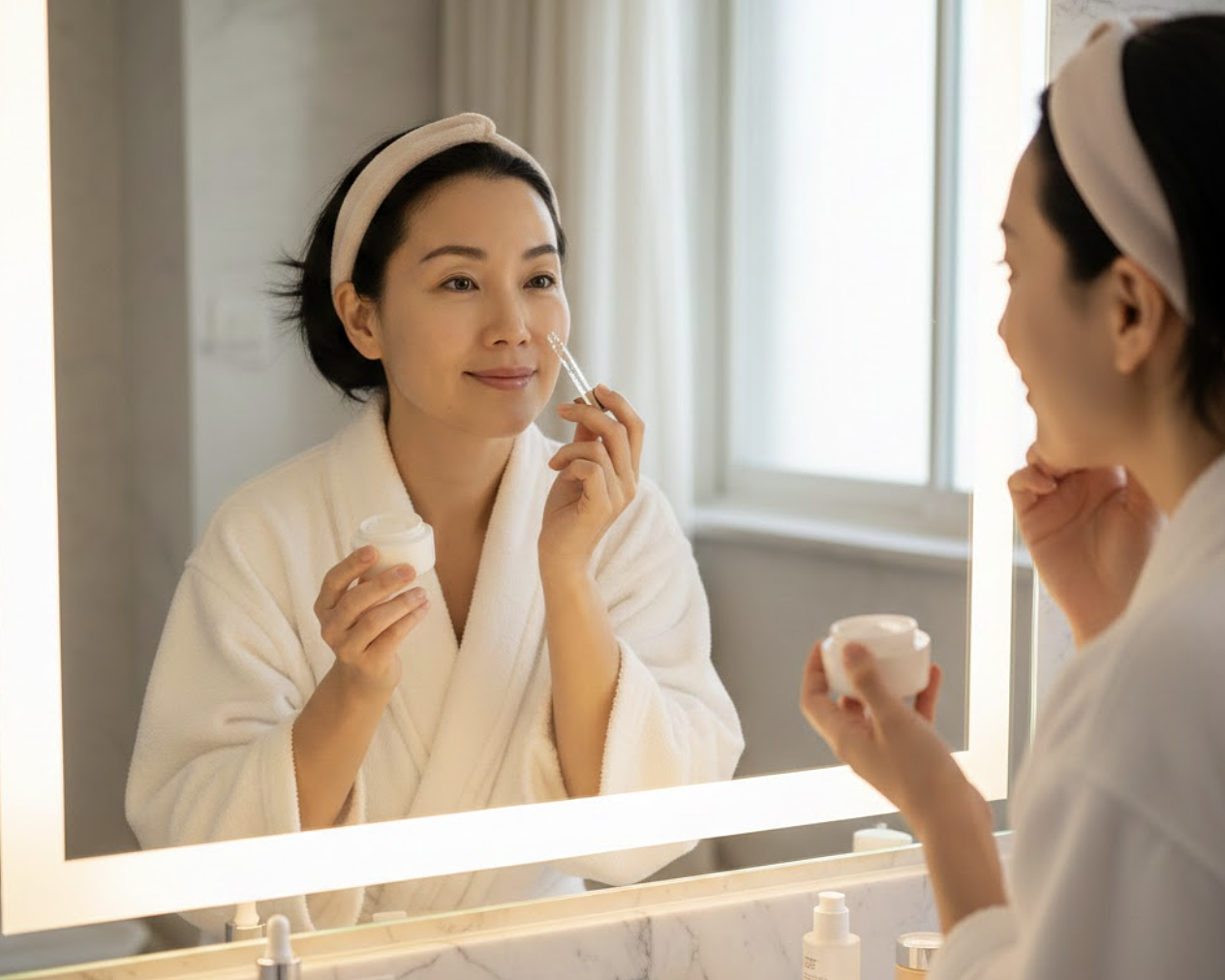 |
External skin care combined with a proper diet and healthy lifestyle can slow down skin aging. *AI-generated illustration* |
Diet
Without essential food groups, skin cannot produce collagen effectively. An unhealthy diet can accelerate collagen loss, causing premature aging and sagging.
The body requires amino acids to produce collagen. These are found in protein-rich foods such as poultry, fish, beef, dairy, eggs, and beans. You also need vitamin C from citrus fruits, red bell peppers, tomatoes, spinach, and broccoli. Zinc and copper, sourced from meat, nuts, beans, and whole grains, are also crucial for skin health.
Beyond providing essential nutrients for collagen production, consuming antioxidant-rich foods, especially fruits and vegetables, helps neutralize free radicals in the body. Free radicals contribute to skin aging by breaking down skin cells and collagen.
Incorporate bone broth into your diet to support healthier skin. Bone broth is made by extracting collagen from beef or poultry bones, and it is most flavorful when served warm.
High-quality dark chocolate contains cocoa flavanols. Flavanols are natural nutrients in cocoa beans that can improve skin elasticity. This nutrient may also reduce signs of sun damage, such as age spots.
Supplements
If maintaining a balanced diet is challenging, consider using supplements. Vitamin C, zinc, and copper are vital for collagen production, so a daily multivitamin can be beneficial.
Collagen supplements help maintain skin elasticity and prevent wrinkles. Especially during menopause, when collagen loss accelerates, these supplements offer significant support for the skin.
Exercise
Exercise benefits the entire body. Physical activity helps slow skin aging by preserving collagen and maintaining skin thickness. Regular exercise stimulates increased collagen production and thicker skin.
Adequate sleep
Getting enough sleep each night not only makes you feel better but also improves your appearance. Sleep deprivation releases the stress hormone cortisol, which causes stress and inflammation in the body, potentially leading to skin redness, irritation, and wrinkles. Collagen and elastin do not function optimally when the skin is inflamed.
During sleep, the body secretes growth hormone, which is essential for collagen production. Aim for 7-9 hours of sleep each night to allow your body to recover and hormones to reset. Turn off the television and phone an hour before bed to relax your mind. Consult a doctor if you experience insomnia.
Stay hydrated
Hydration helps skin appear brighter and more elastic. Skin cells, like all body cells, are composed of water. Dehydrated skin functions poorly, becoming dry and flaky, and developing wrinkles sooner. Drink at least eight glasses of water daily and use a gentle moisturizer on your skin, especially after showering or washing your face.
Apply sunscreen
Topical products like sunscreen, or creams containing collagen or vitamins, can protect your skin from environmental damage and help maintain natural collagen.
An effective anti-aging skin care product is sunscreen. Choose a broad-spectrum sunscreen with an SPF of at least 30, capable of protecting skin from both UVB and UVA rays. UVB rays affect the top layer of skin and cause sunburn. UVA rays penetrate deeper, leading to a loss of skin elasticity due to damage to collagen and elastin fibers.
Additionally, wear UPF (ultraviolet protection factor) clothing, don a wide-brimmed hat, and avoid peak sun hours between 10h and 14h.
Anh Ngoc (According to Verywell Health)
| Readers can submit dermatology questions here for a doctor's response |