Vitamins and minerals help maintain the immune system, protect bones, and support cardiovascular and brain health. Many individuals, however, still lack these essential nutrients despite consuming three meals daily. This can be due to several common eating habits.
Eating too few fresh vegetables and fruits
According to Eating Well, vegetables and fruits provide vitamin C, folate, potassium, and important antioxidants. When a diet lacks these food groups, the body becomes susceptible to micronutrient deficiencies, impacting immune health, skin, and the digestive system.
Adults should consume at least 400 g of fresh vegetables and fruits daily, eating a diverse range of foods to supply various vitamins and minerals.
Only eating refined foods
Refined foods like white rice, white bread, instant noodles, and pastries often lose a significant portion of B vitamins, fiber, and minerals during processing. If the diet consists primarily of refined foods, the body will not receive enough micronutrients essential for energy metabolism. Replacing some of these with whole grains, oats, brown rice, or legumes can increase the intake of natural vitamins and minerals.
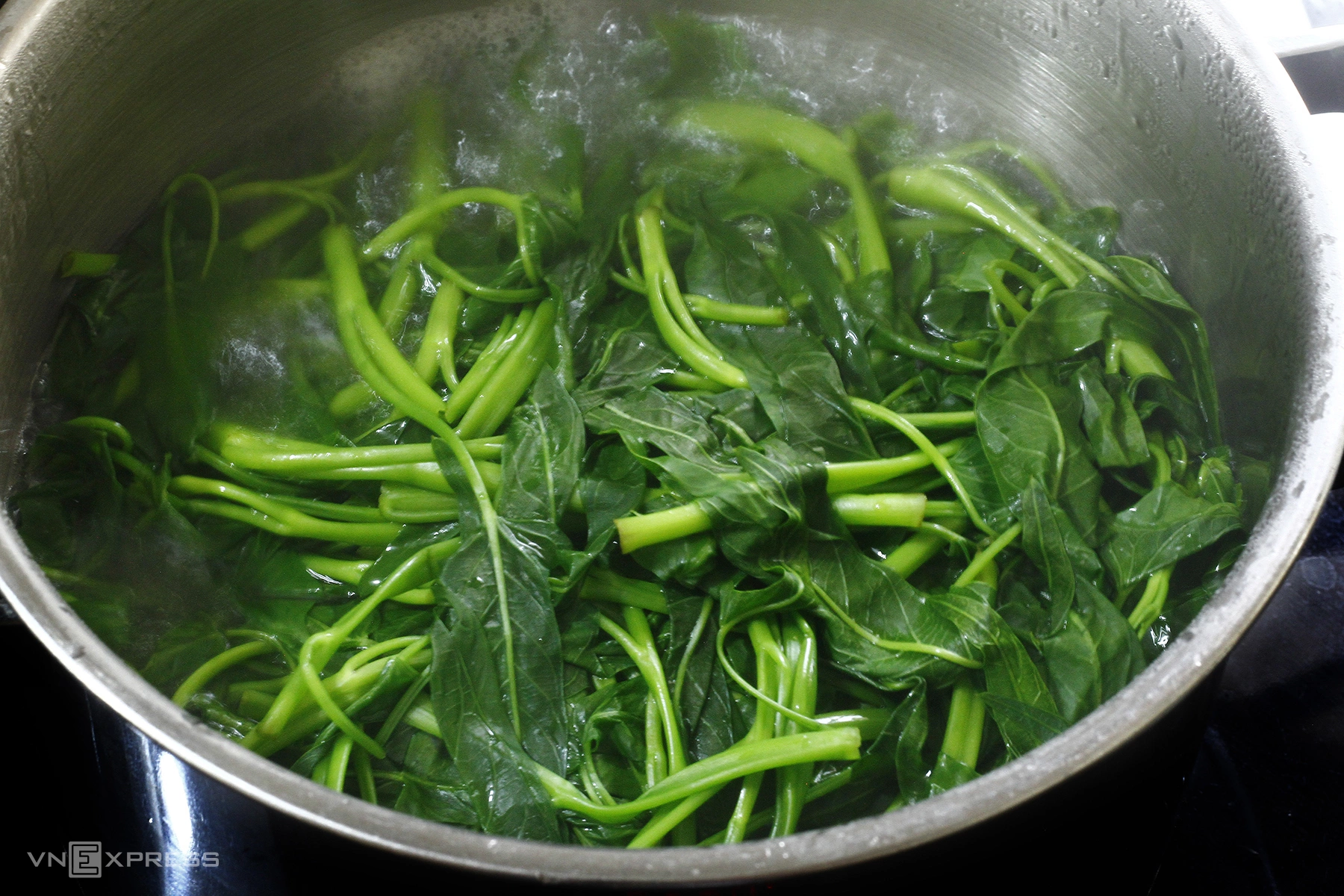 |
Cooking food for an adequate duration helps preserve vitamins and minerals. Photo: Bui Thuy
Eliminating a food group
Many people completely cut out carbohydrates or animal-derived foods for weight loss or to follow specific diets. For example, completely eliminating milk and dairy products reduces calcium and vitamin D intake. Overly restricting meat, fish, and eggs also increases the risk of vitamin B12, iron, or zinc deficiencies if suitable alternative sources are not consumed.
Some vitamins, such as A, D, E, and K, are fat-soluble; if meals contain too little fat, the body will struggle to absorb these vitamins effectively. Healthy fats are found in avocados, nuts, olive oil, fatty fish, and chia seeds.
Overcooking food
Vitamin C and B vitamins are quite sensitive to high temperatures. Boiling vegetables for too long, reheating food multiple times, or frying at high temperatures can significantly deplete micronutrients in food. To retain more nutrients, prioritize steaming, quick stir-frying, or boiling with just enough water for a short time, according to Times of India.
Drinking tea or coffee immediately after meals
Tea and coffee contain compounds that can reduce iron absorption, particularly iron from plants. The habit of drinking these beverages immediately after meals makes it difficult for those at risk of iron deficiency to get enough of this micronutrient. It is advisable to consume these drinks one to two hours apart from meals to allow for effective nutrient absorption.
Skipping meals regularly
Skipping meals or extending fasting periods without sufficient nutritional compensation in other meals can lead to a decrease in the body's overall vitamin and mineral levels. Everyone should maintain a regular eating pattern with three main meals and appropriate snacks to ensure adequate nutrient intake.
Le Nguyen (Compiled)
| Readers can submit nutrition questions here for a doctor's response |