Eng English
China 中国人

Eng English
China 中国人
  • News
  • World
  • Business
  • Entertainment
  • Sports
  • Law
  • Education
  • Health
  • Lifestyle
  • Travel
  • Science
  • Digital
  • Automobiles
  • Trở lại Thể thao
  • Health
Tuesday, 11/8/2026 | 16:03 GMT+7

6 habits for better sleep and enhanced memory

Quality sleep helps the body feel refreshed and relaxed the next day, while allowing the brain to rest, eliminate toxins, and maintain health.

Prioritize Morning Sunlight

Exposure to natural light in the morning, for about 30 minutes before 10 AM, can regulate the circadian rhythm and the sleep-wake cycle. Morning light helps adjust the body's internal clock, supporting melatonin secretion at the right time in the evening, making it easier to fall asleep. A stable circadian rhythm facilitates falling asleep and promotes deeper sleep, while also supporting mood, energy levels, and alertness throughout the day.

Avoid Alcohol, Limit Late-Night Eating

According to Health, eating late or consuming overly large meals can cause bloating, indigestion, and reflux, disrupting sleep. It is advisable to finish dinner at least two to three hours before bedtime. Caffeine consumed in the late afternoon can lead to alertness and difficulty sleeping. While alcohol may initially induce drowsiness, it often results in fragmented sleep and frequent awakenings during the night. Regular and excessive alcohol consumption also negatively affects brain function and judgment.

Maintain a Consistent Sleep Schedule

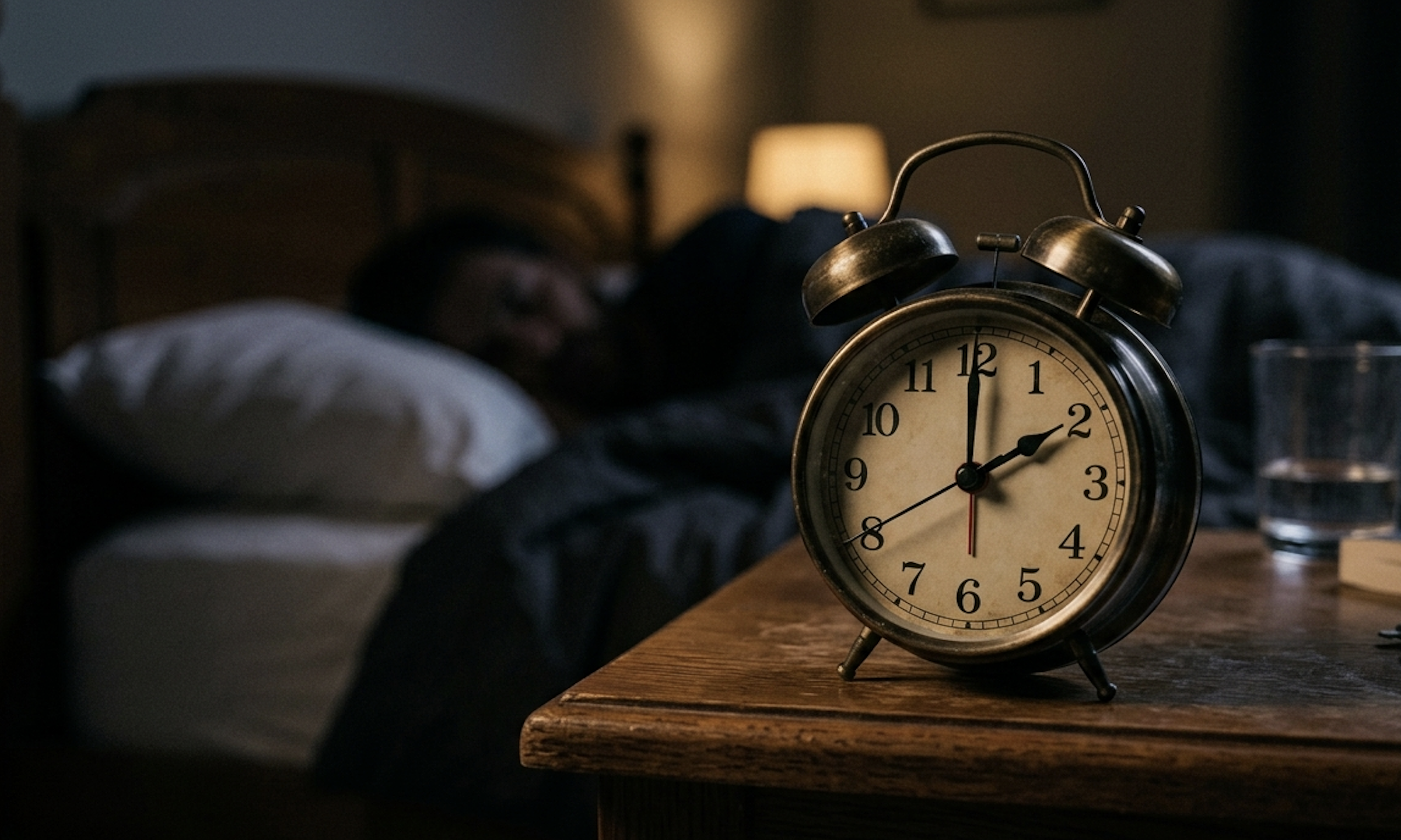
Going to bed and waking up around the same time each day can improve sleep quality, sleep duration, and daytime brain function. This habit also helps reduce the risk of sleep-related cognitive decline.
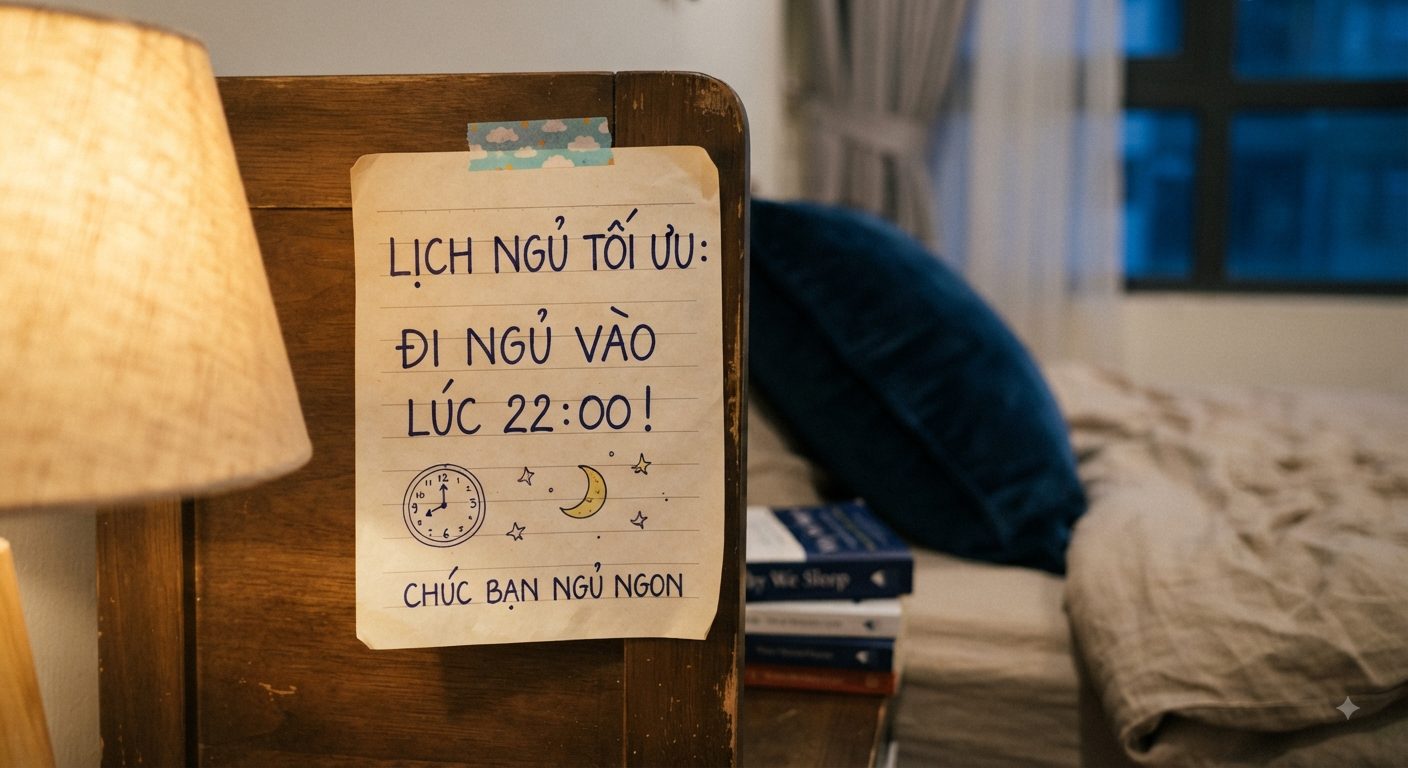
Sleeping at the same time each day helps regulate the sleep-wake cycle. Photo created by AI

Limit Screen Time

Browsing on a phone before bed exposes you to screen light, particularly blue light, which inhibits melatonin production and makes it difficult to fall asleep. For older adults, spending excessive time in front of screens in the evening is linked to an increased risk of cognitive decline. Watching videos or scrolling through a phone also keeps the brain actively processing information instead of relaxing, potentially affecting sleep quality.

Exercise Daily

According to Very Well Health, daily physical activity is important for both sleep and brain health. Exercise increases blood flow to the brain, supporting its ability to regenerate, form new connections, and repair itself. Gentle activities such as walking, swimming, and cycling can positively impact sleep quality and duration.

Adults should aim for at least 30 minutes of moderate-intensity exercise on most days of the week. Avoid exercising too close to bedtime, as it can elevate heart rate and body temperature, making it difficult to fall asleep.

Reduce Stress

Prolonged stress can make it difficult to fall asleep, while also increasing the risk of anxiety, depression, and cognitive decline. This condition activates the sympathetic nervous system, leading to elevated cortisol and adrenaline, which cause a rapid heartbeat, fatigue, and insomnia.

Relaxation activities such as stretching, yoga, meditation, prayer, taking a warm bath, reading, or listening to music in the evening can reduce stress and improve sleep.

By Anh Chi (Compiled)

Readers can submit questions about neurological conditions here for a doctor's response.
By VnExpress: https://vnexpress.net/6-thoi-quen-giup-ngu-ngon-tang-cuong-tri-nho-5107660.html
Tags: enhanced memory quality sleep insomnia

News in the same category

How women should eat when estrogen declines

How women should eat when estrogen declines

Women should prioritize protein from soy and fiber from green vegetables when estrogen declines to maintain muscle, strong bones, and weight control.

How to eat when you lose your sense of taste and smell

How to eat when you lose your sense of taste and smell

Using spices such as pepper, chili, cinnamon, and ginger, or crunchy foods, can make meals less monotonous when you experience a loss of taste and smell.

Three seemingly harmless dinner habits that silently harm your heart

Three seemingly harmless dinner habits that silently harm your heart

Eating too much salt, consuming excessive red meat, or having a heavy meal right before bedtime are unhealthy dinner habits that negatively impact overall health and harm cardiovascular well-being.

6 evening habits that worsen sleep apnea

6 evening habits that worsen sleep apnea

Drinking alcohol, eating excessively, sleeping on your back, self-medicating with sleeping pills, or staying up late can easily obstruct airways, exacerbating sleep apnea.

Accompanying father for kidney disease treatment

Accompanying father for kidney disease treatment

Ms. Thu, 52, has spent the past year accompanying her 97-year-old father for kidney failure treatment, while also managing her own risk factors for kidney disease.

Eating vegetables the wrong way reduces nutrient intake

Eating vegetables the wrong way reduces nutrient intake

Soaking vegetables for too long, overcooking them, or limiting variety can diminish the nutritional value of your meals.

Four common mistakes when eating potatoes for weight loss

Four common mistakes when eating potatoes for weight loss

Consuming french fries or combining potatoes with butter and bacon increases calorie intake, potentially leading to excess energy and fat accumulation.

Five nutrient-rich foods good for people with dry eyes

Five nutrient-rich foods good for people with dry eyes

Foods rich in vitamin A, C, carotenoids, and antioxidants, such as sweet potatoes, carrots, and bell peppers, help protect the eye surface and reduce dryness and eye fatigue.

Systemic lupus erythematosus detected from purple fingertips

Systemic lupus erythematosus detected from purple fingertips

My, 46, experienced joint pain, shortness of breath, and purple fingertips; doctors diagnosed her with systemic lupus erythematosus causing heart and lung damage.

How long do biological heart valves last?

How long do biological heart valves last?

A 62-year-old patient from Hai Phong asks about the lifespan of biological heart valves after being advised to undergo aortic valve replacement due to aortic stenosis, and whether a second replacement will be necessary.

Eng English
China 中国人
  • News
  • World
  • Business
  • Entertainment
  • Sports
  • Law
  • Education
  • Health
  • Lifestyle
  • Travel
  • Science
  • Digital
  • Automobiles
FPT Tower, 10 Pham Van Bach Street, Dich Vong Ward,
Cau Giay District, Hanoi, Vietnam
Email: contacts@vnportal.net
Tel: 028 7300 9999 - Ext 8556
Advertise with us: 090 293 9644
Register
© Copyright 2026 vnnow.net. All rights reserved.
Terms of use Privacy policy Cookies