Eng English
China 中国人

Eng English
China 中国人
  • News
  • World
  • Business
  • Entertainment
  • Sports
  • Law
  • Education
  • Health
  • Lifestyle
  • Travel
  • Science
  • Digital
  • Automobiles
  • Trở lại Thể thao
  • Health
Thursday, 18/12/2025 | 17:02 GMT+7

5 nutrients to help women lose weight

Protein, vitamin C, zinc, magnesium, and prebiotic fiber help increase satiety, boost metabolism, and support effective weight loss.

Protein is a vital nutrient for women aiming to manage their weight. It builds lean muscle mass, which in turn helps burn calories efficiently, even during periods of rest. This is largely due to protein's higher thermic effect compared to carbohydrates and fats.

An individual's daily protein requirements vary based on factors such as weight, gender, age, and activity level. On average, sedentary adults need 0,8-1,2 grams per kilogram per day, while athletes or those engaged in intense physical training may require 1,2-2,2 grams per kilogram per day.

Fiber plays a crucial role in weight management by supporting beneficial microorganisms in the gut. These microorganisms help prevent inflammation, a condition often linked to insulin resistance and obesity. Prebiotic fiber acts as nourishment for these beneficial gut microbes, while fermented foods like yogurt, curd, and buttermilk provide probiotics, which are the beneficial bacteria themselves.

Adults should aim to consume approximately 25-38 grams of fiber daily, with specific amounts depending on gender and age. Women under 50 years old typically need about 25 grams, while those over 50 require around 21-22 grams.

Magnesium is an important mineral that assists in weight loss by contributing to food metabolism and blood sugar regulation. This helps control insulin resistance and reduces the risk of obesity. Women focused on weight loss should incorporate magnesium-rich foods into their diet.

Excellent sources of magnesium include almonds, cashews, peanuts, spinach, and various legumes. Adults generally need 310-420 milligrams of magnesium daily, depending on their gender. It is important to avoid self-prescribing excessive magnesium supplements, as this can lead to side effects such as diarrhea.

Zinc supplementation can contribute to reducing waist and hip circumference, a common concern for many overweight women. This mineral is known to decrease inflammation, improve insulin resistance, and help regulate appetite. Incorporating zinc into the diet is an effective way to support these benefits.

Dietary sources rich in zinc include oysters, crabs, lobsters, beef, cashews, and pumpkin seeds. Adult women typically require 8 milligrams of zinc daily, with pregnant or breastfeeding women needing a higher intake, approximately 11-12 milligrams.

Vitamin C, a potent antioxidant, aids in effective weight loss by preventing inflammation, which in turn helps inhibit weight gain. Regular intake of vitamin C can support overall metabolic health and contribute to a healthy weight.

Good sources of vitamin C include oranges, kiwi, broccoli, strawberries, and guava. Healthy adults generally need about 75-90 milligrams of vitamin C daily, though requirements may be higher for pregnant women (85 mg) and breastfeeding women (120 mg).

Le Nguyen (According to Times of India)

Readers can submit questions about obstetrics and gynecology here for doctors to answer.
By VnExpress: https://vnexpress.net/5-duong-chat-giup-phu-nu-giam-can-4995371.html
Tags: obstetrics and gynecology weight loss

News in the same category

Vietnam ranks among top 4 countries in self-care readiness

Vietnam ranks among top 4 countries in self-care readiness

Achieving a score of 3,04 out of 4, Vietnam ranks fourth among 10 surveyed nations for self-care readiness, trailing Singapore, Australia, and Germany.

Can children with cow's milk allergy receive vaccines?

Can children with cow's milk allergy receive vaccines?

My 2-year-old child has a cow's milk allergy; can they be vaccinated, and what precautions should be taken? (Bich Hue, 28, TP HCM)

What to eat and avoid to reduce cancer risk?

What to eat and avoid to reduce cancer risk?

A healthy diet rich in fruits, vegetables, and whole grains, while limiting red and processed meats, can significantly lower your risk of developing cancer.

5 oral health issues that cause bad breath

5 oral health issues that cause bad breath

Bad breath can stem from bacteria on the tongue, dry mouth, ill-fitting dental restorations, gum inflammation, or consuming strong-smelling foods.

Autologous tissue 'hammock' supports urethra to treat urinary incontinence

Autologous tissue 'hammock' supports urethra to treat urinary incontinence

Ms. Hang, 51, who experienced urinary incontinence due to weakened pelvic floor muscles after two births, was successfully treated by doctors using autologous tissue to support her urethra.

5 habits to reduce heart attack risk

5 habits to reduce heart attack risk

Eating omega-three rich foods, walking for 10 to 15 minutes after meals, getting enough sleep, and regularly checking blood fat and blood pressure help protect the heart.

Ambulance crash victim on expressway suffers fire burns

Ambulance crash victim on expressway suffers fire burns

A 75-year-old man was transferred to Cho Ray Hospital with second-degree fire burns to his face and limbs, following an ambulance's collision with a container truck and subsequent fire on the Long Thanh - Dau Giay expressway.

6-month-old baby experiences recurrent anal fistula

6-month-old baby experiences recurrent anal fistula

Khang's anal region swelled, turned red, and discharged yellow pus, leading doctors to diagnose a recurrent anal fistula.

Skin whitening, acne cream recalled for containing banned substance

Skin whitening, acne cream recalled for containing banned substance

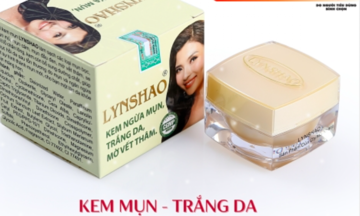
The Ministry of Health has ordered a nationwide recall of Lynshao skin whitening and acne cream due to the presence of Dexamethason, a corticoid forbidden in cosmetics because of its risk of causing skin atrophy and other dangerous complications.

New generation drugs extend cancer patients' lives by over three years

New generation drugs extend cancer patients' lives by over three years

Third-generation targeted therapy and immunotherapy extend disease-free survival by nearly 37 months, while reducing side effects compared to traditional chemotherapy.

Eng English
China 中国人
  • News
  • World
  • Business
  • Entertainment
  • Sports
  • Law
  • Education
  • Health
  • Lifestyle
  • Travel
  • Science
  • Digital
  • Automobiles
FPT Tower, 10 Pham Van Bach Street, Dich Vong Ward,
Cau Giay District, Hanoi, Vietnam
Email: contacts@vnportal.net
Tel: 028 7300 9999 - Ext 8556
Advertise with us: 090 293 9644
Register
© Copyright 2025 vnnow.net. All rights reserved.
Terms of use Privacy policy Cookies