Doctor Nguyen Nhu Dien, Medical Manager at VNVC Vaccination System, stated this as the nation records numerous cases of complications, including fatalities. Specifically:
Rabies
High summer temperatures stress warm-blooded mammals, commonly dogs and cats, making them fatigued. Instinctively, they seek more food and water, increasing their exposure risk to pathogens and attacks on humans. Increased travel among people to various locations also raises the risk of bites from these animals.
The virus from bites, scratches, or licks on open wounds enters muscle tissue, traveling along peripheral nerves to attack the brain. Once rabies symptoms appear, the fatality rate is nearly 100%, and there is no cure.
If bitten, scratched, or licked on an open wound or mucous membrane by a warm-blooded mammal, individuals should immediately wash the area under running clean water and soap for 15 continuous minutes, apply an antiseptic solution, and go to a medical facility for vaccination and possibly anti-rabies serum. People at high risk of rabies virus exposure, such as veterinarians, explorers, tour guides, slaughterhouse workers, or those who own many dogs and cats, can receive pre-exposure vaccination. If a wound occurs afterward, only two vaccine doses are needed, without serum.
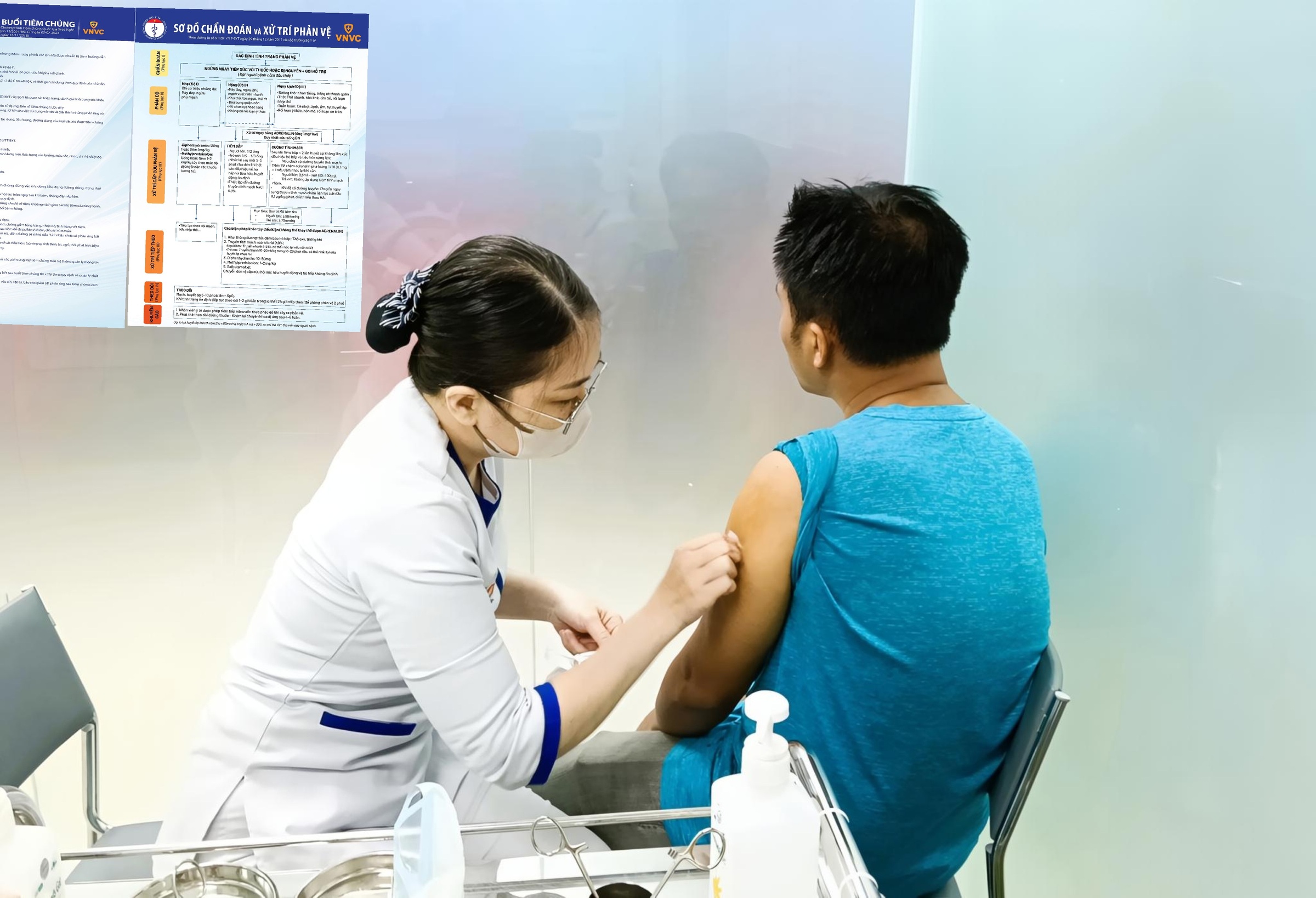 |
Crowded tourist areas can spread many pathogens. *Illustration: Vecteezy* |
Dengue fever and Japanese encephalitis
Hot, humid summers with abundant rain create ideal conditions for mosquitoes to breed, spreading dengue fever and Japanese encephalitis. Dengue mosquitoes transmit the virus from infected individuals to healthy ones, while Culex mosquitoes transmit the Japanese encephalitis virus from livestock and birds to humans.
Dengue fever has 4 serotypes; an individual can contract it multiple times, with subsequent infections carrying a higher risk of severe illness. Symptoms include high fever, headache, eye pain, and muscle or joint aches. From days 4 to 7, severe complications like severe hemorrhage, shock, multi-organ failure, and death are common.
Japanese encephalitis causes sudden high fever, headache, stiff neck, nausea, seizures, and coma. The fatality rate reaches 30%, with 30-50% of survivors experiencing permanent sequelae such as paralysis, visual impairment, hearing loss, and cognitive decline.
These diseases are preventable through household hygiene, clearing dense vegetation, tightly covering water containers, sleeping under mosquito nets, applying mosquito repellent, and vaccination.
Regarding dengue vaccine: Vietnam currently offers a vaccine for individuals aged 4 and older, administered in two doses 3 months apart. Japanese encephalitis vaccine is available through both the Expanded Program on Immunization and private services; the earliest it can be administered is at 9 months of age, with a booster every 3 years for the Vietnamese vaccine type.
 |
Influenza, meningococcal disease, chickenpox
Influenza, meningococcal disease, and chickenpox all spread through the respiratory tract. In summer, hot weather can weaken the immune system. Additionally, frequent use of air conditioning or fans can dry out respiratory mucous membranes, diminishing the ability to resist invading viruses and bacteria.
Influenza, meningococcal disease, and chickenpox can cause more than just fever, fatigue, or typical rashes; they may lead to severe complications in young children, older adults, pregnant women, and individuals with underlying health conditions.
Influenza can cause pneumonia, otitis media, myocarditis, encephalitis, respiratory failure, or exacerbate chronic diseases. Meningococcal disease progresses rapidly, potentially leading to meningitis, sepsis, death, or sequelae such as deafness, brain damage, kidney failure, and limb loss. Chickenpox can also result in complications like skin infections, pneumonia, encephalitis, and sepsis, posing a particular danger to immunocompromised or unvaccinated individuals.
Vietnam currently offers a full range of vaccines for influenza, meningococcal disease, and chickenpox. The influenza vaccine is for children aged 6 months and older, as well as adults, protecting against circulating influenza A and B strains. The meningococcal vaccine can be administered as early as 6 weeks of age, requiring a combined vaccination to protect against 5 serogroups: A, B, C, Y, and W. The chickenpox vaccine is administered as early as 9 months of age.
Furthermore, diseases caused by pneumococcus, respiratory syncytial virus (RSV), measles, mumps, rubella, diphtheria, tetanus, and pertussis can also lead to severe complications. Vaccines are available for these, so everyone should proactively prevent them.
Hoang Duong