Answer:
Cancer is a complex disease resulting from a combination of factors, such as genetics, environmental influences, daily habits, dietary choices, and lifestyle patterns developed over many years.
Currently, no scientific evidence directly links bubble tea to cancer. However, this popular beverage is high in sugar and calories. A 475 ml cup typically contains around 300 calories and 38 g of sugar, with these figures increasing further when toppings like boba, flan, or other flavorings are added.
The World Health Organization (WHO) advises adults to limit free sugar intake to under 25 g daily to mitigate the risk of chronic diseases. Consequently, a single large serving of bubble tea often exceeds this daily recommended sugar limit.
 |
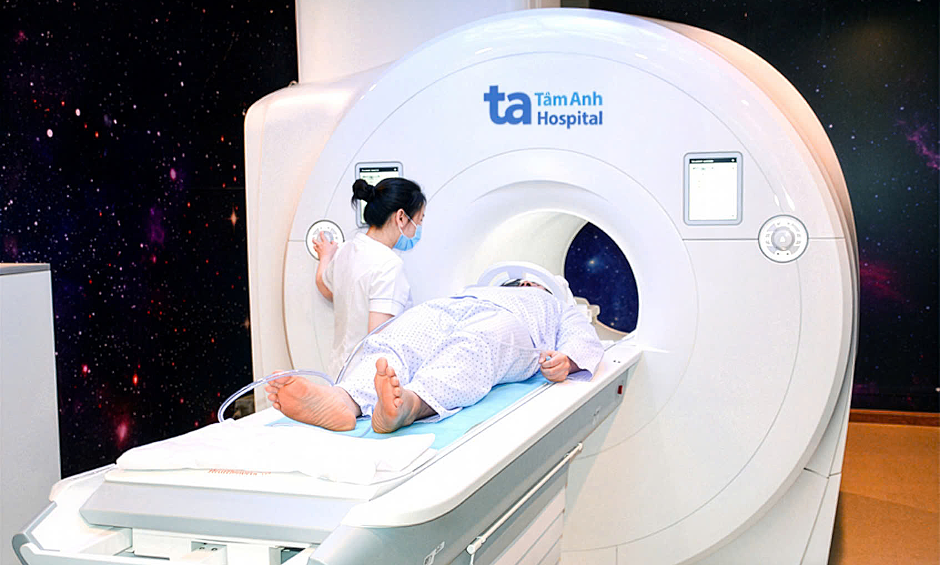
Doctor Trung advises on diet for cancer patients. Photo: Tam Anh General Hospital
Moreover, daily consumption of bubble tea leads to an excessive intake of sugar and total energy, surpassing recommended nutritional needs. This elevates the risk of developing overweight, obesity, metabolic disorders, inflammation, and type 2 diabetes.
According to the American Cancer Society, being overweight, obese, and experiencing chronic inflammation are significant risk factors for various cancers. These include colorectal, liver, pancreatic, breast (particularly in postmenopausal women), and endometrial cancers.
To mitigate risks, individuals should opt for low-sugar or sugar-free bubble tea, choose smaller cup sizes, and avoid additional toppings like boba or jelly. Consumption should be limited to about one to two times per week. It is also crucial to drink sufficient plain water daily and not substitute it with bubble tea.
Maintaining a healthy lifestyle – encompassing stress reduction, regular exercise, and adequate sleep – further contributes to long-term cancer risk reduction.
Doctor Nguyen Thanh Trung
Department of Oncology
Tam Anh Cau Giay General Clinic
| Readers can send questions about cancer here for doctors to answer |