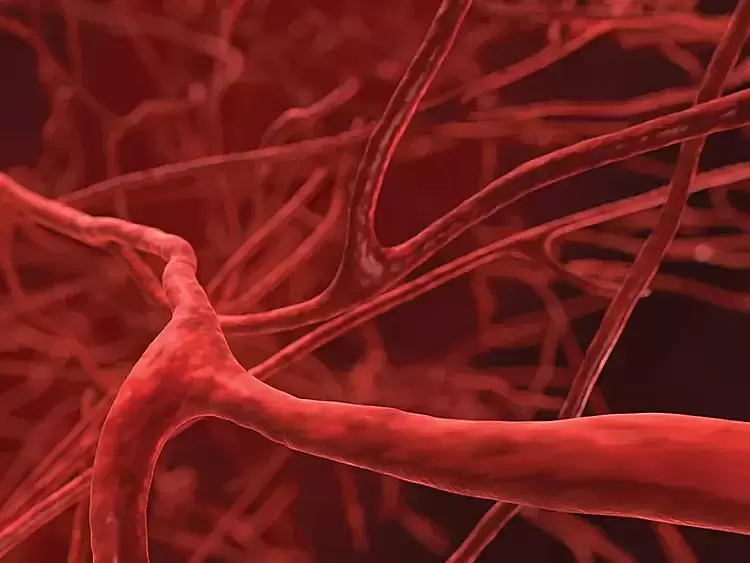
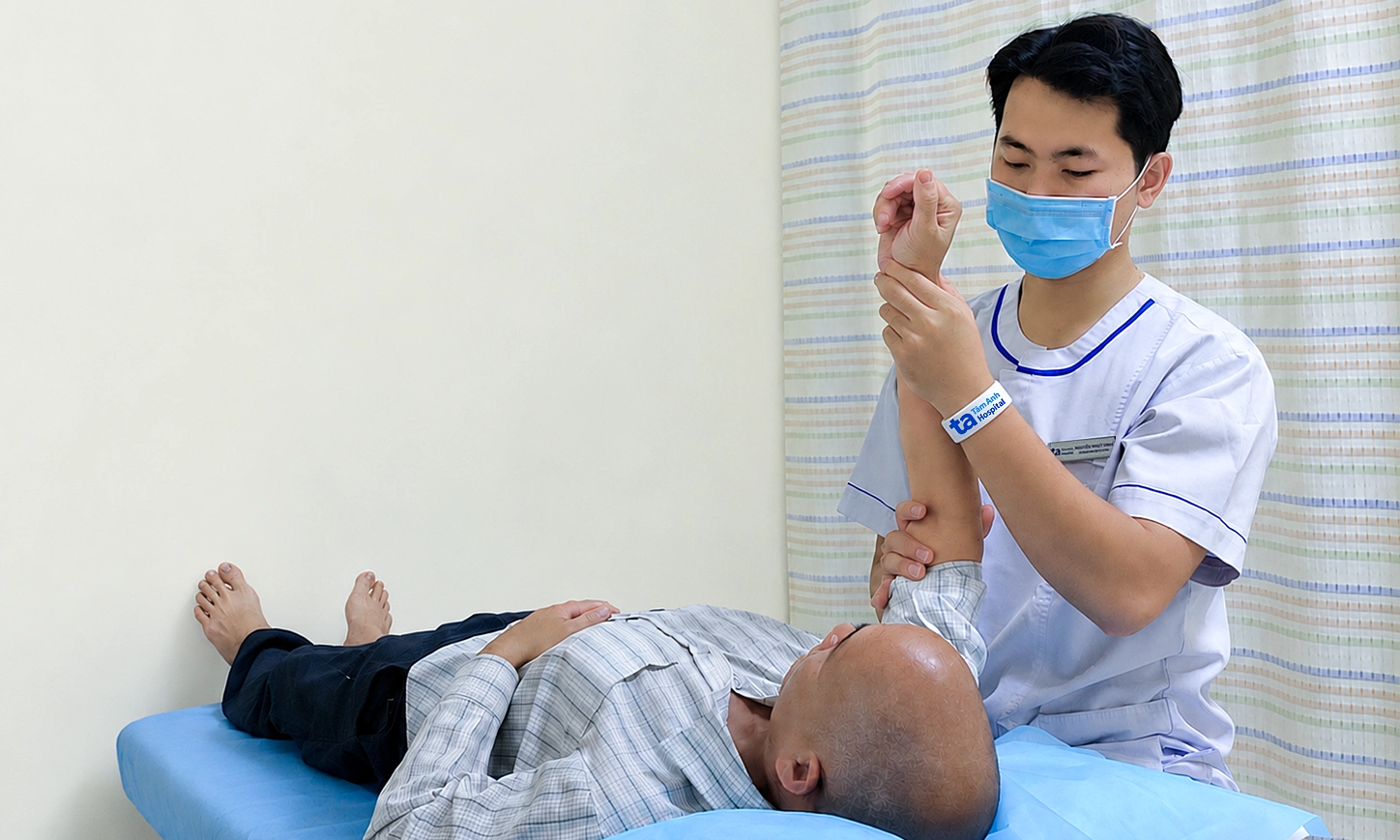
Inflammation is the body's natural response to fight bacteria, viruses, or harmful agents. However, when the inflammatory response is prolonged or excessive, inflammatory mediators can damage the endothelium inside blood vessels. This damage makes vessel walls less elastic, prone to atherosclerosis, and leads to the formation of blood clots.
Dr. Nguyen Huu Khanh, a neurologist at the Neuroscience Center, Tam Anh General Hospital TP HCM, explains that many infections, such as pneumonia, influenza, or sepsis, as well as chronic inflammatory conditions like rheumatoid arthritis and lupus erythematosus, can heighten systemic inflammatory responses. This process promotes stronger platelet adhesion, making blood more prone to clotting, which in turn increases the risk of cerebral vascular occlusion and cerebral infarction.
Inflammation stimulates the body to release cytokines and free oxygen radicals. These substances destabilize atherosclerotic plaques within arteries. When a plaque ruptures, blood clots can form rapidly and travel to the brain, causing an acute stroke.
Furthermore, inflammation often presents with symptoms such as high fever and dehydration. These conditions can cause blood to thicken and circulation to slow, further increasing the risk of clot formation.
"Stroke risk can increase significantly within days to weeks after severe respiratory infections or influenza," Dr. Khanh stated. He added that older adults, individuals with weakened immune systems, or those with multiple chronic diseases should be particularly vigilant about this condition.
To mitigate inflammation-related stroke risk, doctors advise treating infections early and completely. It is important not to overlook prolonged fever, persistent coughing, shortness of breath, or recurrent infections. Patients with underlying health conditions must effectively manage blood pressure, blood sugar, and blood cholesterol. Maintaining a healthy diet, getting adequate sleep, limiting alcohol, and avoiding smoking are also crucial.
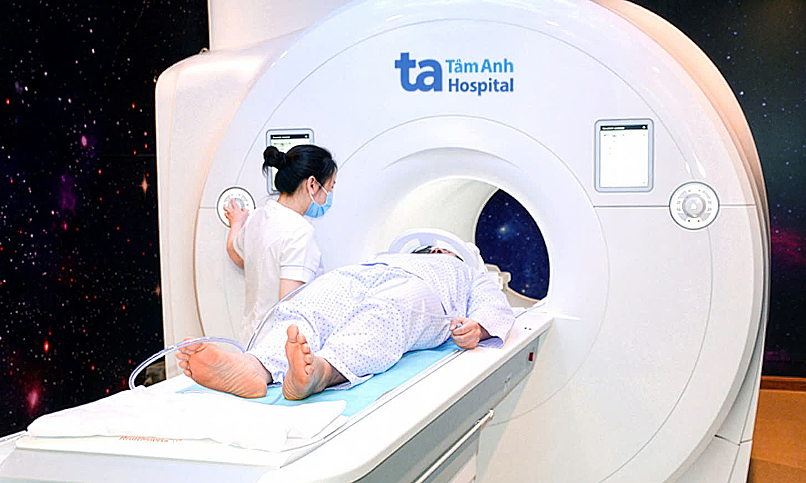 |
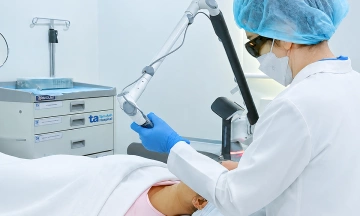
3 Tesla MRI scans can detect early stroke risks. Photo: Tam Anh General Hospital
Patients should undergo regular screenings as recommended by their doctor to detect early risk factors for cerebrovascular damage. Doctors may order CT or MRI scans to assess the degree of stenosis, aneurysm, atherosclerosis, or the risk of clot formation.
Upon experiencing symptoms such as facial drooping, limb weakness, difficulty speaking, blurred vision, severe headache, or altered consciousness, patients should seek immediate emergency care at a hospital with a neurology department. Prompt treatment is vital to prevent severe complications.
Trong Nghia
| Readers can ask questions about neurological diseases here for doctors to answer. |