


On 19/5, a representative from the Ho Chi Minh City Department of Health announced that the Centers for Disease Control (CDC) has intensified surveillance of inbound travelers. Measures include observing unusual health signs and thoroughly examining epidemiological factors, travel, and residency history. The health sector also coordinates with aviation, maritime, and international health quarantine units to detect suspected cases early.
Ho Chi Minh City has also prepared procedures for handling, isolating, and safely transporting suspected Ebola cases. The Ho Chi Minh City Department of Health emphasizes that early detection of suspected cases is a key factor in current border surveillance efforts.
This action follows the World Health Organization's (WHO) declaration on 17/5, which identified the Ebola outbreak in the Democratic Republic of Congo and Uganda as a "public health emergency of international concern." This designation was made due to the risk of the disease spreading across borders.
Currently, WHO does not recommend imposing international trade or travel restrictions on affected countries. They believe there is insufficient scientific basis for such measures, which could also negatively impact socio-economic stability. Despite this, the Ho Chi Minh City Department of Health urges preventive health units to remain vigilant in their surveillance and disease prevention efforts.
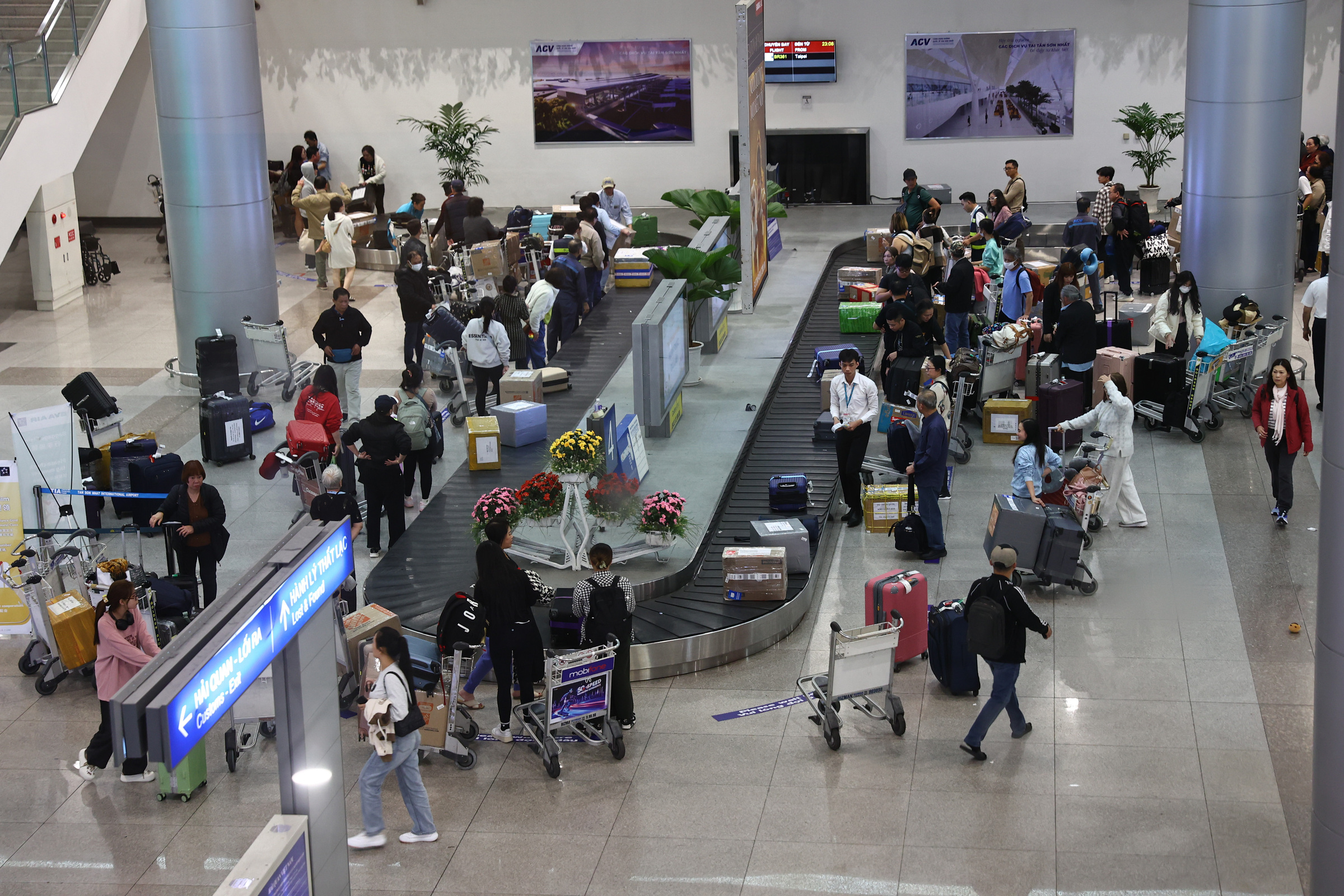 |
Tan Son Nhat International Terminal. Photo: Quynh Tran |
WHO recommends that individuals in close contact with a case undergo health monitoring for 21 days and restrict international travel during this period. Confirmed patients may only be discharged or travel after receiving at least two consecutive negative test results, taken a minimum of 48 hours apart, to ensure infection prevention safety.
Concurrently, Ho Chi Minh City continues to train healthcare facilities on infection control, proper use of personal protective equipment, and procedures for handling suspected cases. This ensures readiness should the disease enter the city. The health sector will regularly assess risks to implement appropriate response plans.
WHO's interim guidance for countries not sharing borders with affected regions, like Vietnam, does not recommend closing borders or implementing widespread entry screening at airports outside the directly impacted areas. However, these nations should enhance risk communication, provide disease prevention guidance for travelers to affected regions, and prepare medical support plans as needed.
Ebola is a dangerous acute infectious disease caused by a virus. It transmits through direct contact with blood, bodily fluids, or contaminated objects from an infected person, not through the air. Initial symptoms often include fever, fatigue, muscle pain, headache, and sore throat. These can progress to vomiting, diarrhea, multi-organ failure, and hemorrhage. The average mortality rate is 50%, varying from 25% to 90% depending on the outbreak and treatment capacity.
The current outbreak involves the Ebola Bundibugyo strain, first identified in Uganda in 2007. WHO states this is a rare strain with no licensed vaccine or specific treatment available. However, early detection and aggressive supportive care can improve survival rates.
On 17/5, the Vietnam Ministry of Health advised the public against panicking about the Ebola outbreak. However, individuals returning from affected areas should self-monitor their health for 21 days.
Le Phuong


