According to Gavi, the Vaccine Alliance, there are seven reasons why measles poses a danger to both adults and children:
Highly contagious: The measles virus spreads through coughs, sneezes, or by inhaling airborne droplets from an infected person. It can survive in the air or on surfaces for up to 2 hours. One person with measles can infect up to 18 others in a community without immunity.
Severe complications are common: Beyond the rash, measles can lead to pneumonia, seizures, and encephalitis. In the United States, from 2001–2022, there were 4,056 measles cases, with 18% requiring hospitalization and three deaths. In low-income countries, complications are more severe due to malnutrition and vitamin A deficiency.
Delayed potential complications: Some individuals, even after recovering from measles, remain at risk of subacute sclerosing panencephalitis (SSPE). This rare disease is often fatal, destroying memory and motor function. Furthermore, measles can cause "immune amnesia," making the body forget how to fight off previously encountered diseases.
No specific treatment: Currently, there is no specific antiviral medication for measles. Treatment focuses on supportive care, such as fever reduction, rehydration, and managing complications. Therefore, vaccination remains the most important preventive measure.
High vaccination rates are essential: Because measles is highly transmissible, at least 95% of the population needs to be vaccinated to prevent widespread outbreaks. Even a slight drop in vaccination rates can lead to a rapid resurgence of the virus.
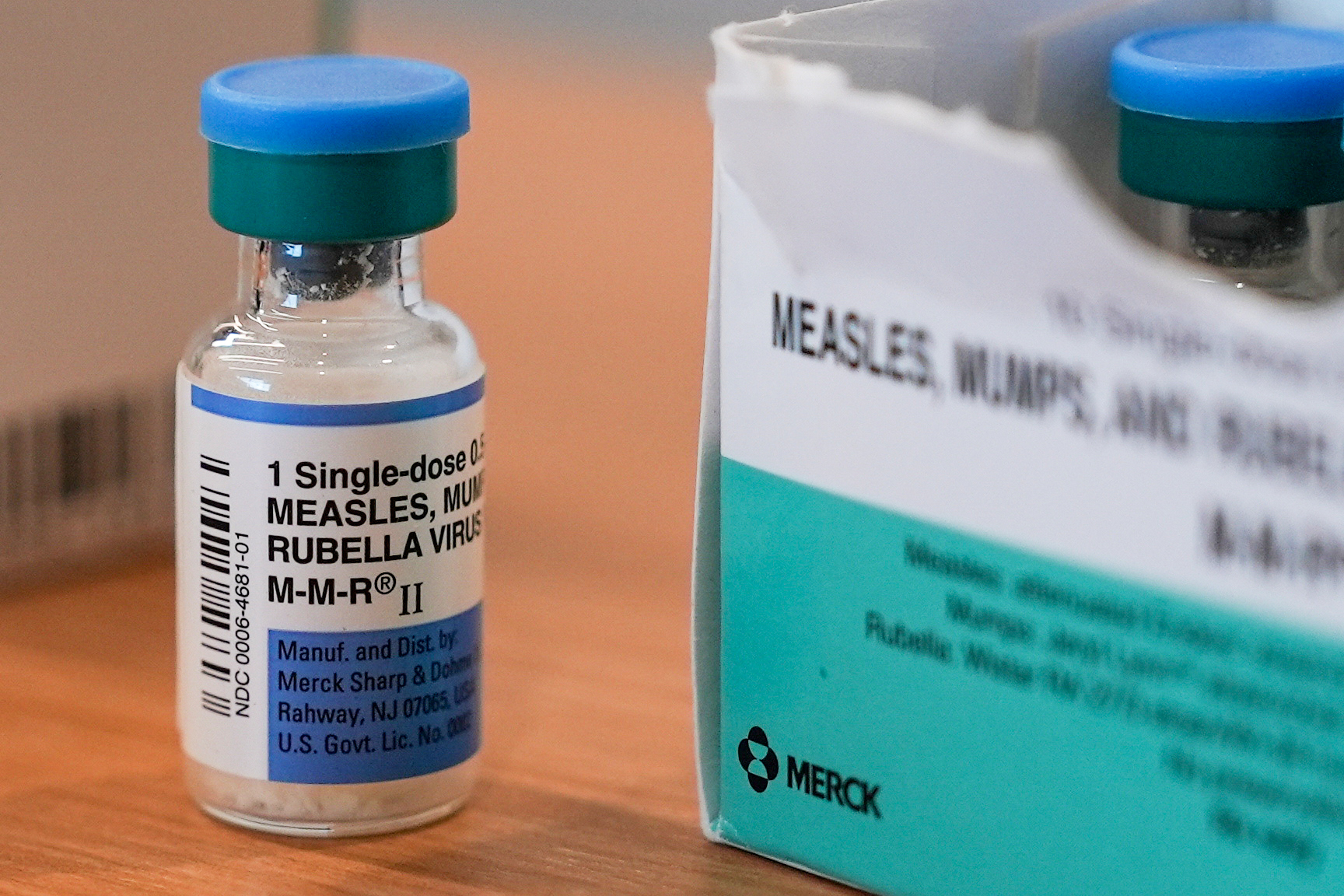 |
A vial of measles, mumps, and rubella (MMR) vaccine. Photo: AP |
Not everyone can be vaccinated: Infants, immunocompromised individuals, or those undergoing cancer treatment cannot receive the vaccine. Moreover, vaccines do not offer absolute effectiveness, making community immunity crucial for protecting vulnerable individuals.
Measles disrupts community activities: Measles outbreaks can lead to hospital staff shortages, school closures, and parents taking time off work. For example, during a measles outbreak in Texas, US, in 2025, student absenteeism increased by 41%, which was 10 times higher than the actual number of cases.
To prevent measles, experts recommend implementing a combination of measures. Adults and children are advised to receive full vaccination. Each person requires two doses of a single measles vaccine or a combined measles, mumps, and rubella vaccine for optimal immunity. A minimum of 95% of the population must be vaccinated to prevent measles outbreaks.
Additionally, people are encouraged to boost their overall body resistance by eating nutritious foods, and children should receive vitamin A supplements. Regular exercise is also recommended to enhance immunity.
Infected individuals should isolate to prevent spreading the disease to others. Anyone experiencing symptoms such as fever, cough, or rash should seek medical attention promptly for timely diagnosis and treatment to avoid complications.
Van Ha