Menopausal women often experience various changes, including hot flashes, sleep disturbances, and mood swings. Many also suffer from persistent joint pain, knee pain when climbing stairs, morning finger stiffness, or dull lower back pain. These symptoms can impact quality of life and should not be overlooked.
**Declining Estrogen Levels Directly Affect Joints**
Estrogen is not only a reproductive hormone but also plays a role in protecting bone and joint health. During menopause, estrogen levels decline sharply, leading to increased joint inflammation. Understanding the link between hormones, lifestyle, and joint health empowers women to care for their bodies properly.
**Do Not Ignore Morning Joint Stiffness**
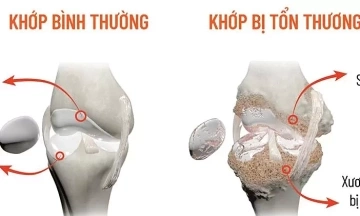
Occasional joint stiffness is normal, but if it persists for 20 to 30 minutes or more daily, it warrants attention. This could indicate early-stage arthritis or osteoarthritis caused by hormonal imbalance. Early diagnosis can prevent long-term damage.
**Weight Gain Adds Pressure to Joints**
Menopause often slows metabolism, leading to gradual weight gain, particularly around the abdomen. Excess body weight can also exacerbate knee pain. Managing weight through a balanced diet and gentle exercise reduces pressure and joint pain.
**Lack of Physical Activity Worsens Pain**
Joint pain often causes women to limit physical activity, but this can actually worsen the problem. Joints need movement to function properly. Simple activities like walking, stretching, yoga, or gentle exercises improve blood circulation, strengthen muscles, and reduce pain. Women should consistently engage in moderate physical activity.
**Not All Joint Pain Requires Painkillers**
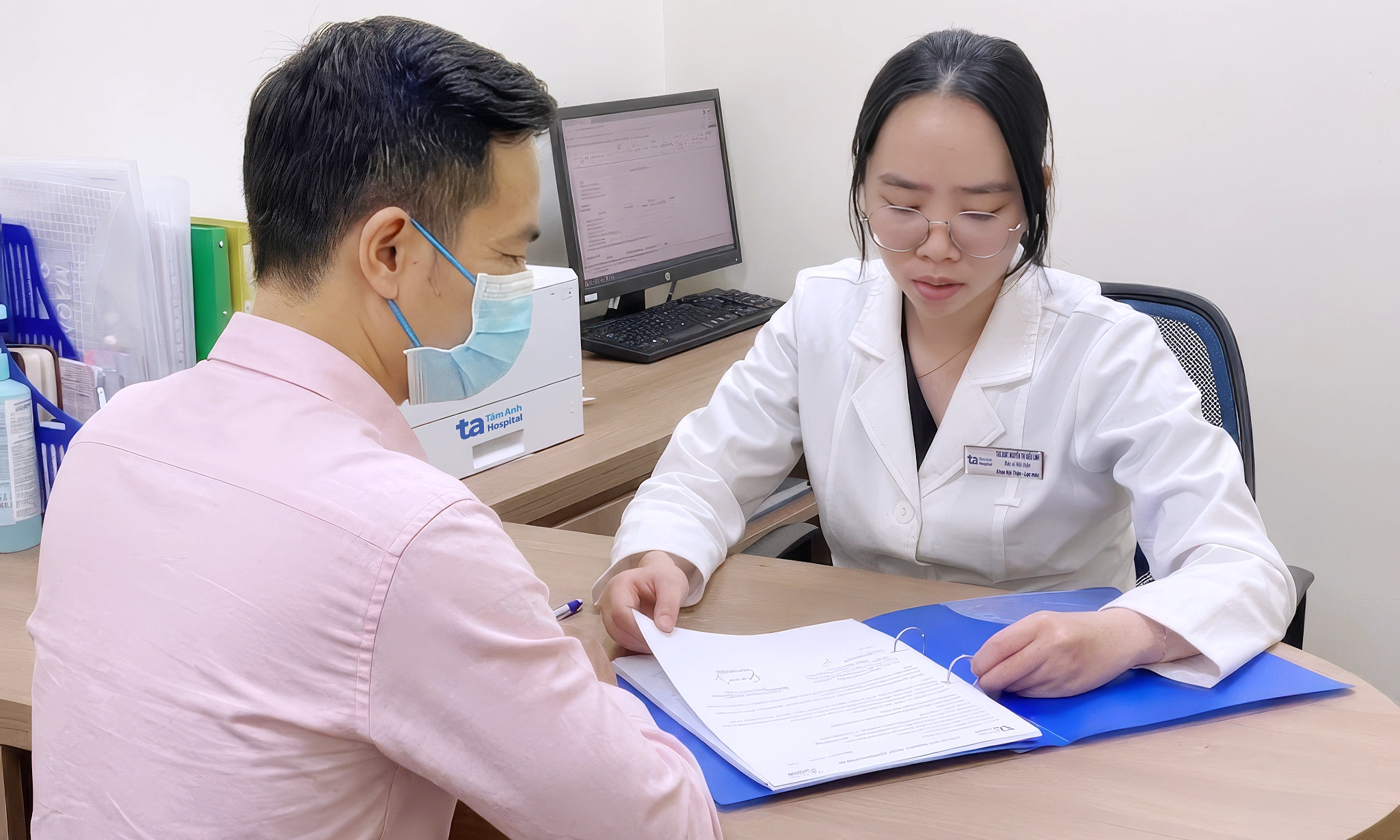
While medication offers quick pain relief, prolonged self-medication can mask symptoms and delay diagnosis. Pain relievers typically manage external manifestations but do not address the root cause. Individuals experiencing pain should consult a doctor to determine if it stems from hormonal changes, early-stage arthritis, vitamin D deficiency, or postural issues, enabling appropriate treatment and care.
Menopausal women should proactively care for their bone and joint health through a diet rich in calcium and vitamin D, combined with at least 30 minutes of exercise daily.
By Le Nguyen (Source: Health Shots)
| Readers can submit questions about obstetrics and gynecology here for doctor's answers |