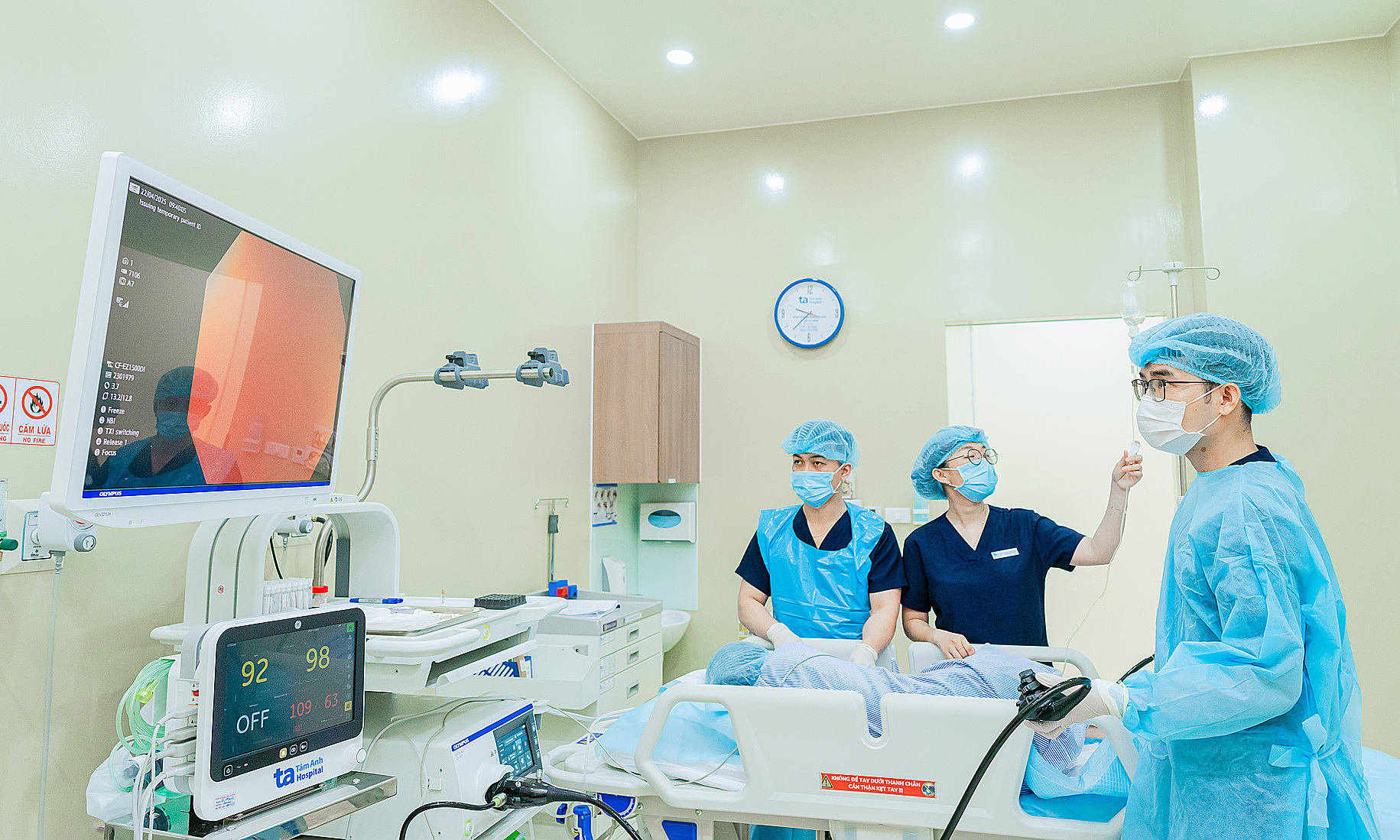
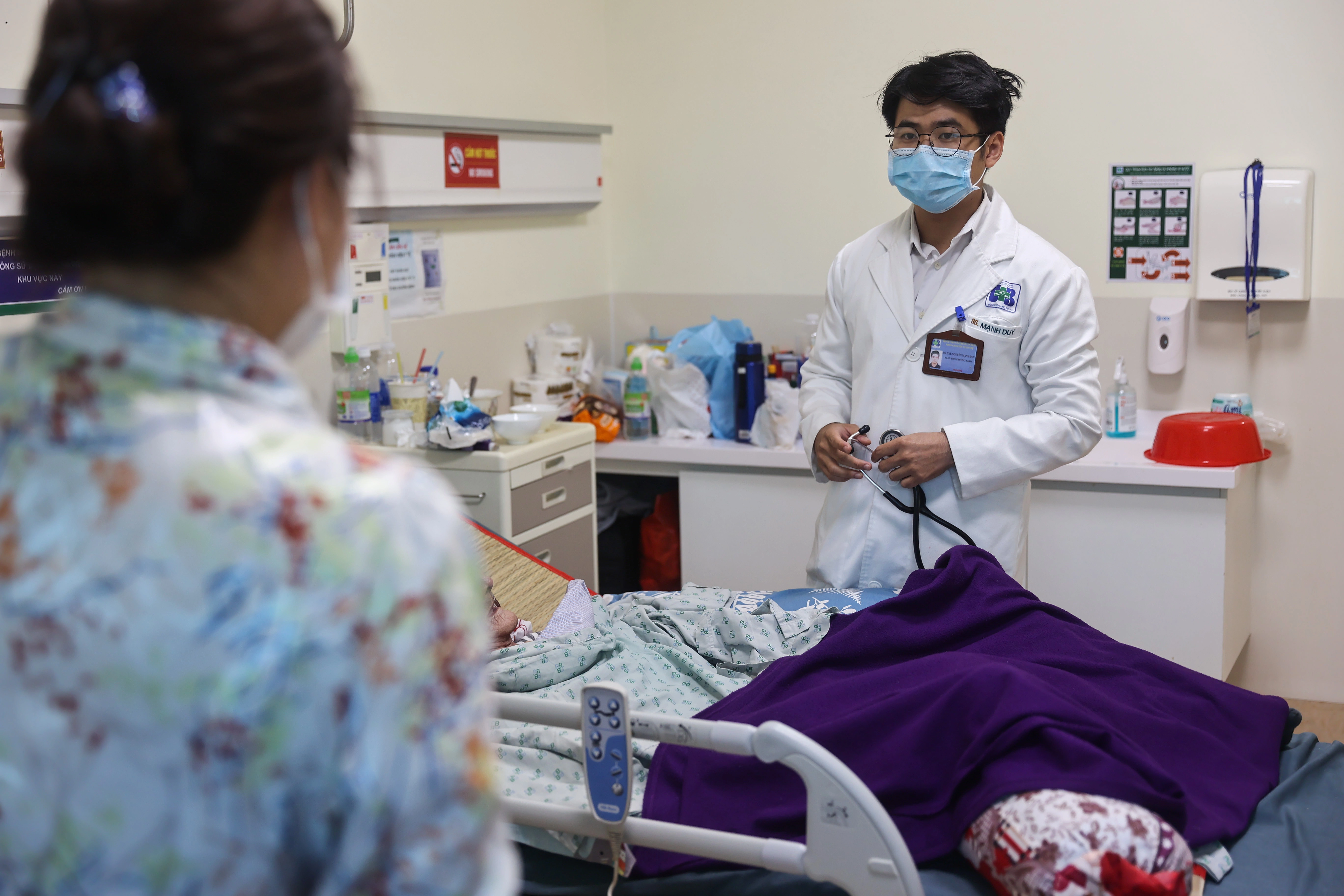
New gym-goers, those trying new exercises, or individuals increasing their workout intensity may experience delayed onset muscle soreness (doms), which occurs as the body repairs and rebuilds muscle fibers. While no pain is felt during the workout, soreness accumulates and typically begins one to three days later, concentrating on the trained muscle groups, and usually resolves on its own within a few days.
Master Tran Van Dan, Deputy Head of the Physical Therapy and Rehabilitation Department at Tam Anh General Hospital Hanoi, highlights several methods to help reduce muscle soreness after gym workouts.
A thorough warm-up before a workout heats the body, enhancing joint resilience and flexibility, which limits injuries and reduces muscle tension. Properly warming up for five to ten minutes with gentle movements such as joint rotations, stretches, light jogging, or cycling with no resistance helps ensure more effective training and prevents muscle soreness.
Adequate hydration ensures the body replenishes fluids lost through sweat during intense workouts, maintains stable bodily functions, and supports muscle recovery, thereby reducing muscle fatigue and soreness after exercise.
Massaging muscles manually or with a foam roller after each workout can stimulate blood circulation and ease muscle tension, helping to reduce accumulated lactic acid and, consequently, alleviating soreness.
Soaking in warm water helps muscles relax and increases blood flow to sore areas, supporting recovery and reducing discomfort. Individuals can soak in warm water for ten to fifteen minutes for effective muscle pain relief; however, this method should not be used in cases of acute injury or swelling.
Reducing workout intensity and duration when pain is excessive or prolonged allows muscles time to recover without being overloaded. One can also alternate between different muscle groups to give the sore muscles additional rest, and when resuming exercise, gradually increase intensity to allow the body to adapt.
Getting seven to eight hours of sleep each night supports optimal body recovery and regeneration after exercise. Avoiding late nights is essential, as sleep deprivation can lead to prolonged fatigue and muscle soreness.
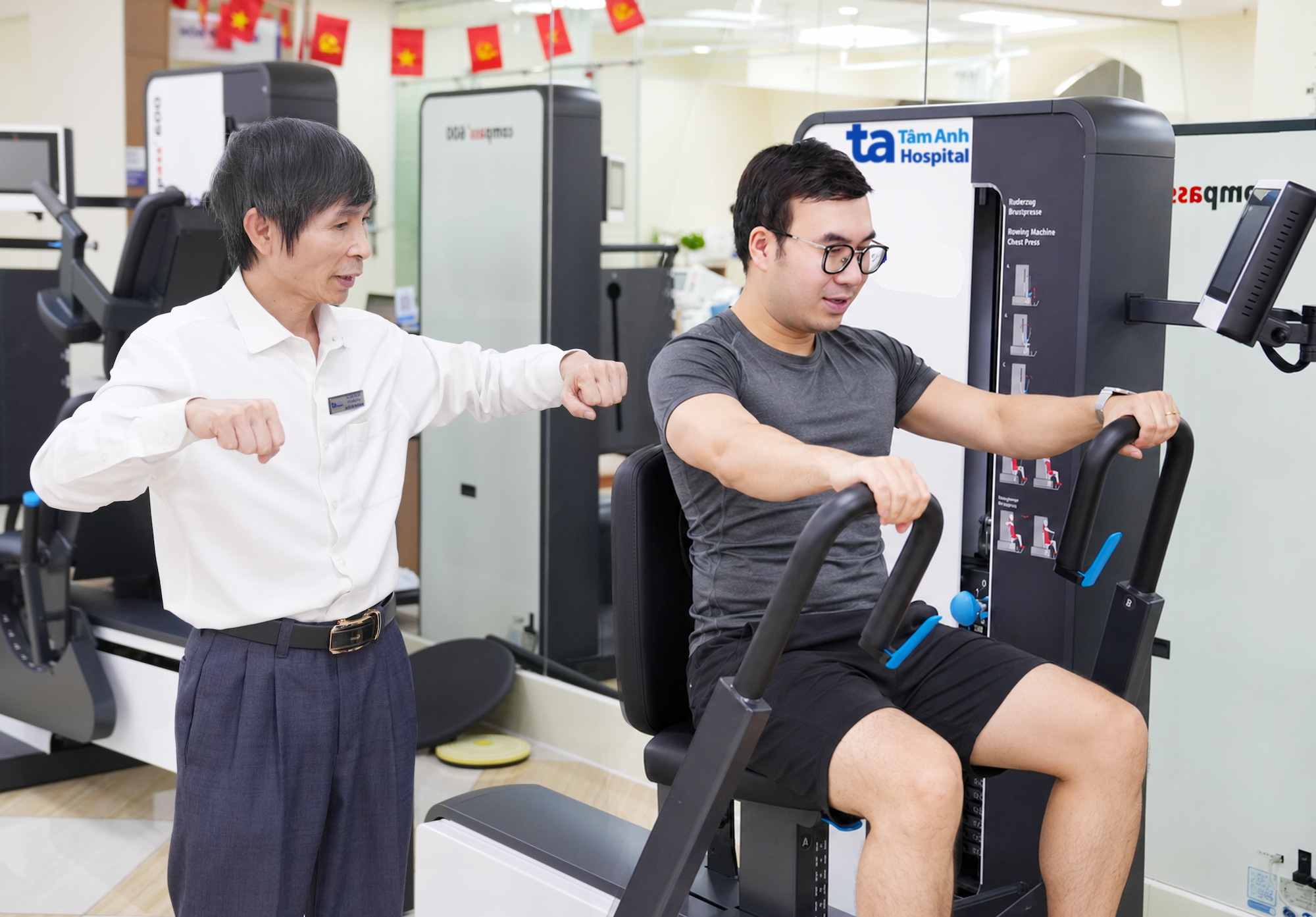 |
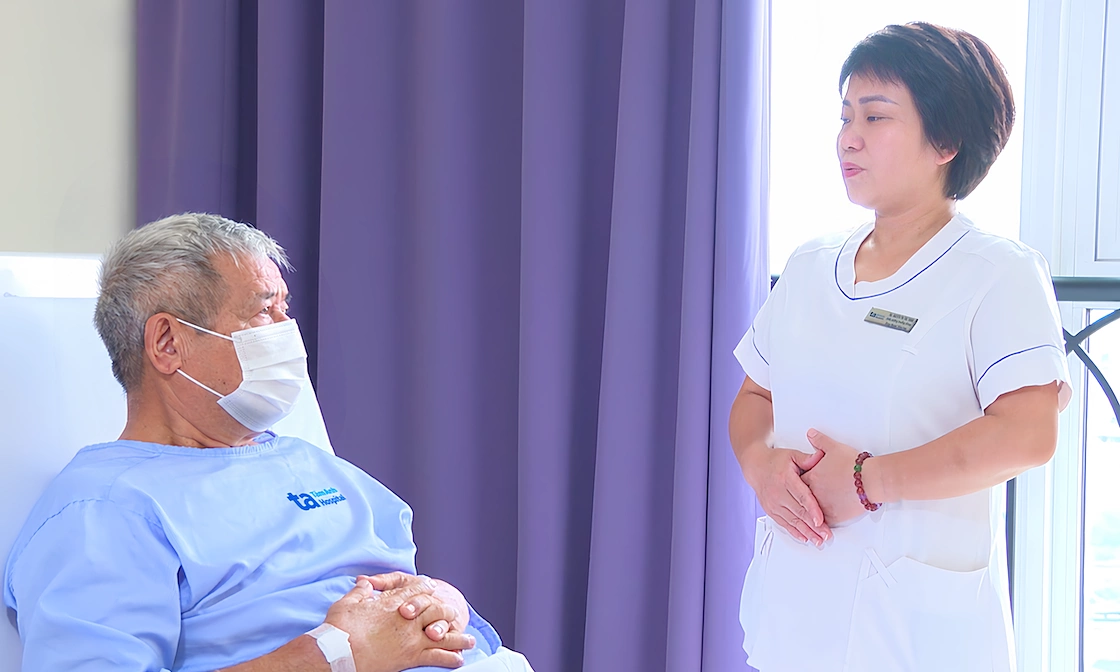
Master Dan advises individuals to alternate muscle groups to reduce pain. Illustration: Tam Anh General Hospital |
According to Master Dan, mild muscle pain, tension, or fatigue in frequently worked muscle groups is a normal reaction as muscles adapt to increased physical activity.
However, if pain appears suddenly, accompanied by sharp pain, swelling, or bruising, and restricts movement, it could indicate a tendon, muscle, or joint injury. Individuals should stop exercising to prevent more severe complications. Applying a cold pack or ice wrapped in a towel to the painful area for fifteen to twenty minutes can reduce swelling and soothe the injured muscle.
Patients should visit a specialized hospital if an injury does not improve despite rest. Depending on the condition, a doctor will examine and order paraclinical tests, x-rays, or magnetic resonance imaging (mri) to assess the injury and determine an appropriate treatment plan.
Thanh Long
| Readers can submit questions about musculoskeletal conditions here for a doctor's consultation. |