Individuals diagnosed with knee osteoarthritis often worry that walking will worsen their condition, leading to faster cartilage wear. This common fear prompts many to reduce physical activity, opting for more rest in hopes of protecting their joints.
Tran Huu Loc, a physical therapist at the Day Treatment Unit, University Medical Center Ho Chi Minh City - Campus 3, states that walking does not accelerate knee joint wear if performed correctly and tailored to each individual's condition.
Scientific studies show that moderate physical activity stimulates cartilage nourishment, improves knee muscle strength, and reduces pain. Conversely, excessive rest weakens thigh muscles over time, leading to stiffer joints and reduced mobility. The key is not whether to walk, but how and how much is appropriate for each person's condition.
To understand the condition, experts explain that knee osteoarthritis is characterized by the gradual wear of articular cartilage over time, alongside changes in subchondral bone, ligaments, and surrounding joint structures. While common in middle-aged and older adults, it can also affect overweight individuals, those with a history of knee injury, or people engaged in prolonged strenuous labor.
Patients may experience typical symptoms such as knee pain when walking, standing for extended periods, or climbing stairs. Joint stiffness often occurs in the morning or after prolonged sitting. Other signs include clicking sounds during movement, reduced range of motion, slight swelling, and a feeling of weakness or instability while moving.
 |
Walking does not accelerate knee joint wear. Photo: Nguyen Dong |
To ensure walking is safe and effective, individuals with knee osteoarthritis should follow specific exercise principles. They should walk on flat surfaces, avoid uneven terrain, and wear soft, well-fitting shoes with good shock absorption. A gentle warm-up is essential before starting. Begin with short walks, about 10 to 15 minutes per session, and gradually increase duration as the body adapts. Consistent daily activity is crucial, rather than attempting long walks only occasionally.
If pain increases for several hours or if the knee swells significantly during exercise, patients should reduce intensity and consult a healthcare professional. Beyond walking, alternative activities like stationary cycling, swimming, aquatic exercises, thigh muscle strengthening, balance exercises, and knee joint stretches can also reduce joint pressure while maintaining mobility.
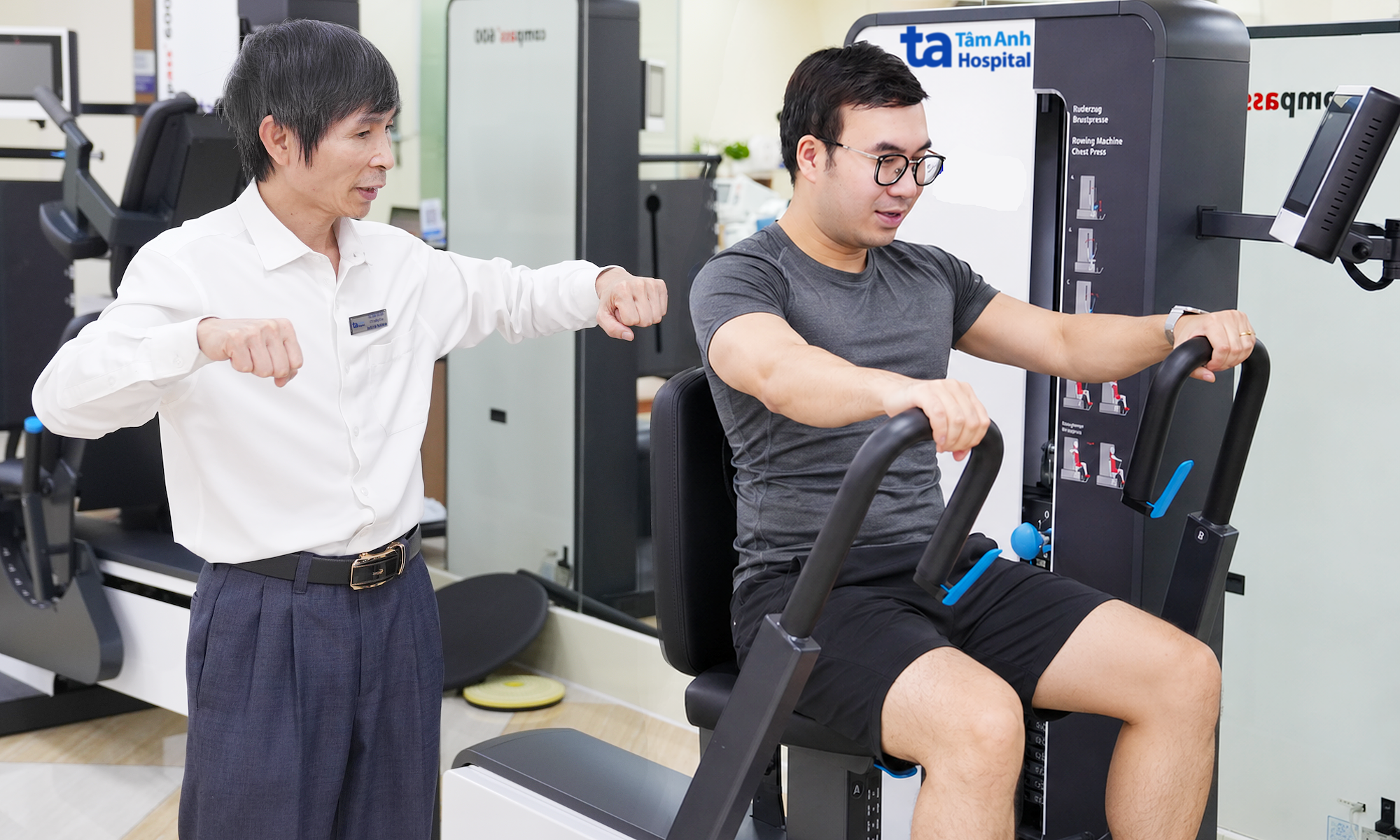
Physical therapist Huu Loc emphasizes that proper knee movement strengthens joints; complete immobilization due to pain is not the answer. This highlights the crucial role of physical therapy in comprehensive knee osteoarthritis treatment. Depending on the disease stage, physical therapists develop individualized exercise programs to reduce pain, improve motor function, and strengthen muscles around the joint.
With consistent and diligent adherence to exercise under a physical therapist's direct guidance, patients can maintain healthy legs and long-term independent mobility.
My Y