On 14/10, a representative from the Ho Chi Minh City Center for Disease Control (HCDC) announced that the city recorded 34,664 cases of acute respiratory infections last week. This marks an increase of over 64% compared to the average of the previous four weeks. Changing weather patterns and the return of students to school have created favorable conditions for respiratory pathogens to spread.
Hospitals reported 151 positive influenza virus samples, with 116 of these belonging to the A/H1N1 2009 strain, representing nearly 77% of the total. Since the beginning of the year, the surveillance system has counted 397 influenza cases.
The epidemic's progression has shown distinct changes across different periods. For the first 25 weeks of the year, the city only recorded a few scattered cases, primarily influenza B and influenza A. However, from week 26, the number of cases began to climb, peaking sharply in week 40.
 |
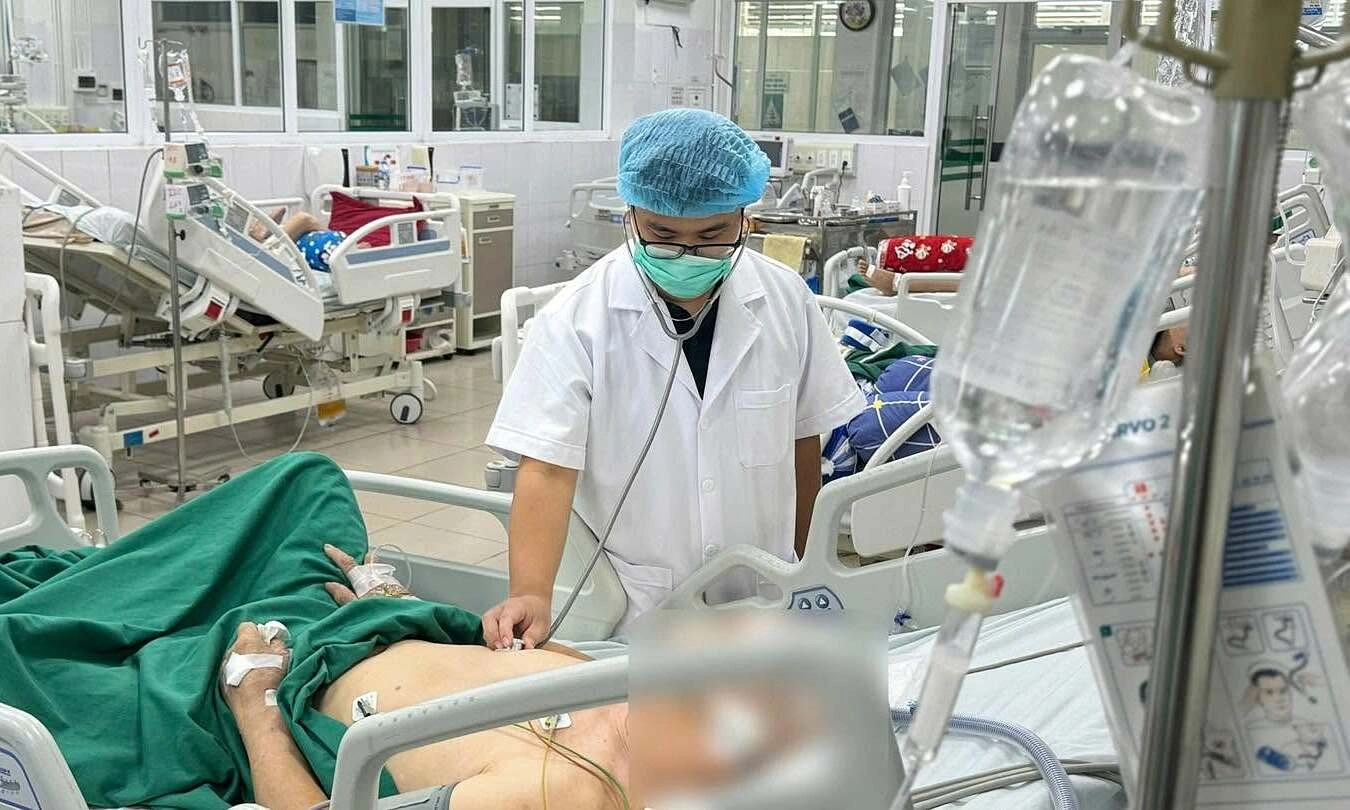
Medical staff in the examination area of Ho Chi Minh City Hospital for Tropical Diseases, the leading infectious disease hospital in the Southern region. Photo: Quynh Tran |
This trend is particularly evident among children. At Tam Anh Hospital, the entire system recorded only 71 positive rapid tests in September, but in just the first two weeks of October, this figure surged to 111 cases, a 56% increase.
Influenza A/H1 saw a significant outbreak in 2009 and spread rapidly. Today, this influenza strain easily transmits from person to person, similar to other common seasonal influenza strains. This strain, sometimes called "swine flu", was initially believed by scientists to have originated from pigs.
While not as dangerous as influenza A/H5N1 or influenza A/H7N9 infections, individuals infected with influenza A/H1 or other seasonal influenza viruses may develop secondary infections and pneumonia. In severe cases, multi-organ failure can occur, potentially leading to death in some people with chronic conditions. Globally, hundreds of thousands of influenza-related deaths are recorded annually.
Currently, HCDC monitors acute respiratory infection pathogens at 29 medical facilities, including hospitals and regional medical centers. It also tracks clusters of cases in the community. Sampling, testing, and identifying virus strains enable the health sector to closely follow the epidemic's progression, identify risks, and choose appropriate responses.
"Many acute respiratory infection cases, including influenza A/H1N1 2009, are increasing. Residents need to be vigilant and proactively take preventive measures to limit community spread", an HCDC representative advised.
The health sector reminds older adults and those with underlying health conditions to be especially cautious, as these groups are more susceptible to severe illness and complications from influenza infection. Everyone should wash hands with soap, and cover their mouth and nose when coughing or sneezing. Annual influenza vaccination helps reduce the risk of both illness and complications.
If symptoms such as fever, cough, sore throat, or runny nose appear, patients should wear a mask, avoid close contact, and seek medical attention for consultation and treatment.
Le Phuong