In Vietnam, influenza A is currently in its peak season, leading to an increase in hospitalizations and severe cases, predominantly among elderly individuals with underlying conditions. Patients often present with common symptoms like cough and fever, which can lead families to be complacent and delay treatment.
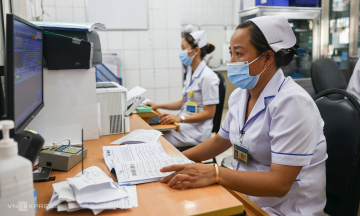
At the Tam Anh General Hospital System in TP HCM and Hanoi, the number of people seeking treatment for respiratory illnesses has surged in recent weeks. Notably, at Tam Anh General Hospital - District 8, 6 to 7 out of every 10 respiratory patients tested positive for influenza A. Severe influenza cases are primarily observed in elderly individuals, especially those with underlying conditions.
 |
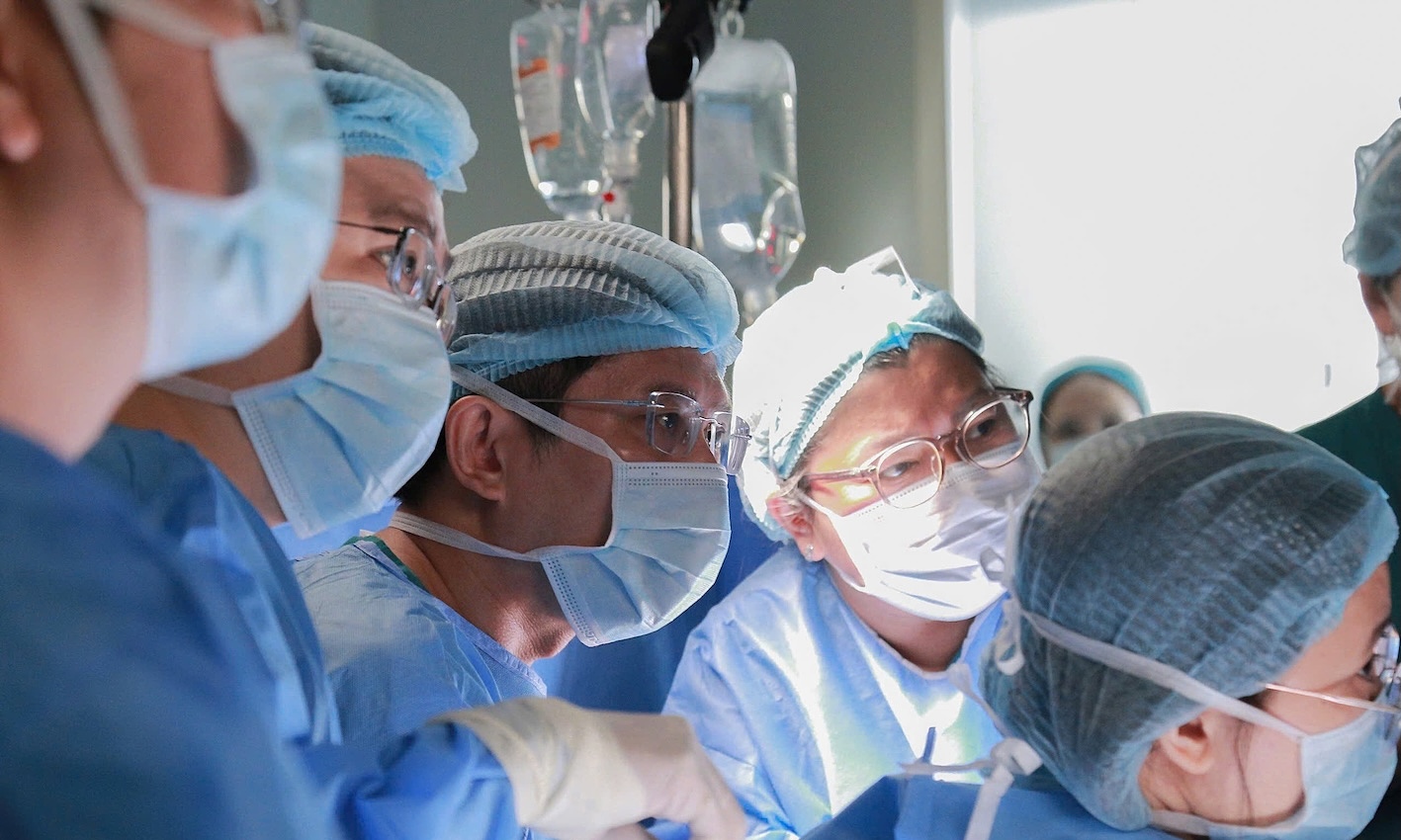
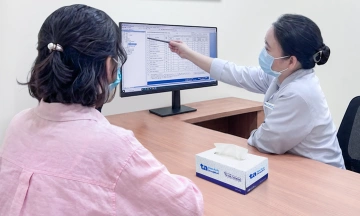
Tam Anh General Hospital in TP HCM admits many elderly patients with underlying conditions for respiratory illnesses, including influenza A, due to erratic weather changes. *Photo: Tam Anh General Hospital*.
Doctor of Clinical Grade II Ngo Tran Quang Minh, Medical Director and Head of General Internal Medicine at Tam Anh General Hospital - District 8 (TP HCM), stated that elderly individuals have weakened immune systems due to age, leading to reduced ability to fight infections, especially when they have underlying conditions such as cardiovascular disease, bronchial asthma, diabetes, chronic obstructive pulmonary disease (COPD), chronic kidney disease, etc. If infected with influenza A, patients risk rapid progression to severe pneumonia, respiratory failure, and dangerous complications, even if initial symptoms are mild, such as cough, fatigue, or a low-grade fever.
The doctor also emphasized that the mindset of viewing influenza as a "mild cold" often leads families to be complacent and delay treatment. Even with mild initial symptoms, the influenza virus can damage the respiratory tract, weakening the lungs' natural protective barrier, creating conditions for bacterial superinfection, leading to severe pneumonia, respiratory failure, and even requiring mechanical ventilation and intensive care.
Doctor Quang Minh likened influenza A to a "trigger" that can activate a series of dangerous complications, causing multiple underlying conditions to simultaneously lose control. In individuals with COPD and bronchial asthma, influenza can cause acute exacerbations, severe pneumonia, and respiratory failure. For those with cardiovascular disease and hypertension, the inflammatory response from influenza increases the risk of myocardial infarction, stroke, and heart failure. Meanwhile, people with diabetes, chronic kidney disease, or cirrhosis face risks of metabolic disorders, uncontrolled hyperglycemia, organ dysfunction, and even death.
"A common mistake is that patients and their families are complacent about flu-like symptoms, self-medicating with antibiotics or antiviral drugs without a prescription, which leads to delays in examination and treatment", Doctor Quang Minh warned.
 |
A patient with influenza A, experiencing a 38 degrees Celsius fever, developed severe respiratory failure and required mechanical ventilation at the National Hospital for Tropical Diseases. *Photo: National Hospital for Tropical Diseases*.
According to Doctor Minh, antiviral medications are most effective when used in the early days of influenza infection, as soon as possible, with specific treatments reserved for confirmed influenza patients. Self-medication can lead to adverse effects, poisoning, and impact liver and kidney function; it can also mask disease symptoms. This complicates examination, diagnosis, and treatment, potentially leading to a more severe disease progression and making it difficult to assess the patient's condition.
Especially given the current widespread nature of influenza, if elderly individuals show signs of shortness of breath, chest pain, disorientation, cyanosis, reduced blood oxygen, or a sudden worsening of an underlying condition, they must be immediately taken to a medical facility for timely emergency care.
Doctor Le Thi Truc Phuong, a Medical Specialist at the VNVC Vaccination System, stated that annual seasonal influenza vaccination is the most effective preventive measure recommended by many medical associations worldwide and in Vietnam. In Vietnam, vaccination for individuals with chronic underlying conditions is also included in the official treatment guidelines of specialized societies such as Cardiology, Respiratory, Endocrinology - Diabetes, and Rheumatology.
 |
Elderly individuals receiving influenza vaccine at VNVC Hoang Van Thu. *Photo: Binh An*.
Vietnam currently has vaccines that help prevent common annual influenza A strains like A/H1N1, A/H3N2, and influenza B. Doctor Phuong explained that vaccination helps the body actively build resistance to stop the influenza virus at the respiratory entry point. However, the influenza virus continuously mutates each epidemic season, and the protective antibody levels after vaccination decrease rapidly after 6 to 12 months. "Regular annual booster vaccinations are essential to timely update protection against circulating influenza strains, avoiding the risk of severe illness", Doctor Phuong affirmed.
In addition to vaccinating elderly individuals, family members also need to get influenza vaccinations to prevent illness and transmission to relatives. Currently, influenza vaccines can be administered from 6 months of age. Pregnant women can receive the influenza vaccine at any point during pregnancy, ideally from the 4th month, which helps protect the mother's health and prevents dangerous complications caused by influenza, while also transferring passive antibodies to protect the infant in the first months of life.
Doctor Phuong advised that elderly individuals are also susceptible to co-infection with influenza and other respiratory pathogens such as pneumococcus, respiratory syncytial virus (RSV), and SARS-CoV-2. When multiple pathogens cause illness simultaneously, respiratory damage can be more severe, increasing the risk of respiratory failure and sepsis. Vaccines are also available for pneumococcus and RSV, and elderly individuals should be fully vaccinated to avoid the risk of compounding illnesses.
In addition to proactive and complete vaccination, experts recommend that elderly individuals pay attention to keeping their neck and chest warm when the weather turns cold, maintain an energy-rich diet, rinse their throat daily with antiseptic, wear masks in crowded places, and strictly adhere to daily prescriptions for underlying medical conditions.
Kha Nhien