Associate Professor, Doctor Van The Trung, President of the Ho Chi Minh City Society of Medical and Surgical Lasers, announced at the society's 3rd annual scientific conference at Military Hospital 175 on 2/8 that lasers and energy-emitting devices have long been applied across various medical specialties. These include dermatology, aesthetics, ophthalmology, surgery, ear, nose, and throat (ENT), orthopedics, and rehabilitation.
In recent years, this technology has been increasingly combined with regenerative medicine to enhance treatment efficacy. However, not all applications possess sufficient scientific evidence to confirm their effectiveness.
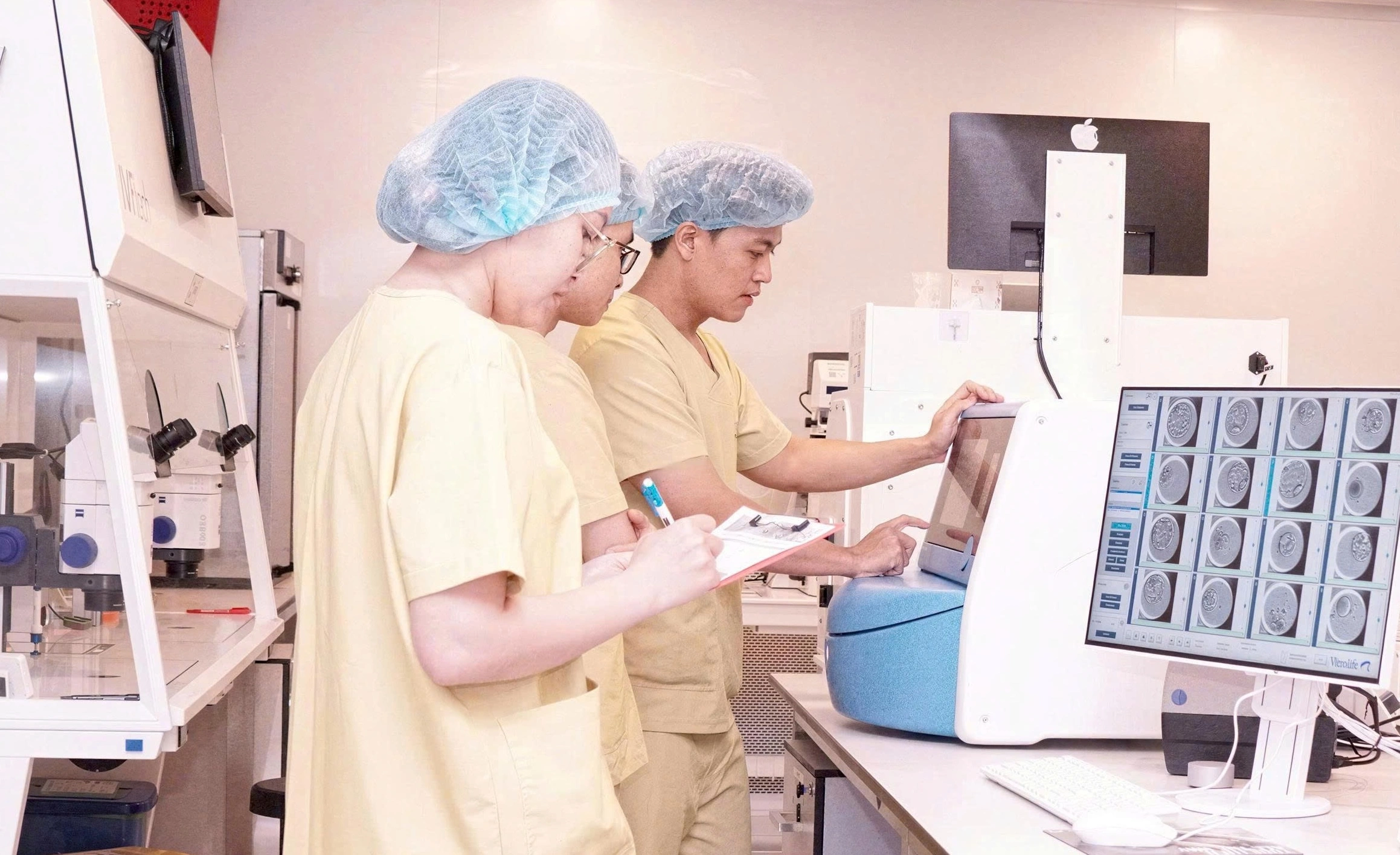
According to Doctor Trung, regenerative medicine, encompassing stem cells, stem cell-derived products, and biomaterials, holds significant potential but also faces considerable limitations. Most current research is small-scale, lacking adequate evidence to establish consistent treatment efficacy. Therefore, combining lasers with regenerative medicine necessitates further large-scale studies and standardized protocols before widespread adoption.
Addressing advertisements that suggest lasers or regenerative medicine can provide rapid rejuvenation, Doctor Trung clarified that low-energy lasers do promote tissue repair and regeneration, but their effects unfold gradually, not instantly. Low-energy lasers modulate the biological environment to allow the body to self-regenerate, rather than immediately destroying and replacing tissue. Consequently, results require time and depend on proper indications, correct treatment parameters, and the individual patient's condition.
The expert noted that different studies employ varying protocols and energy levels, leading to diverse outcomes. Therefore, claims of "spectacular" efficacy should be viewed with caution.
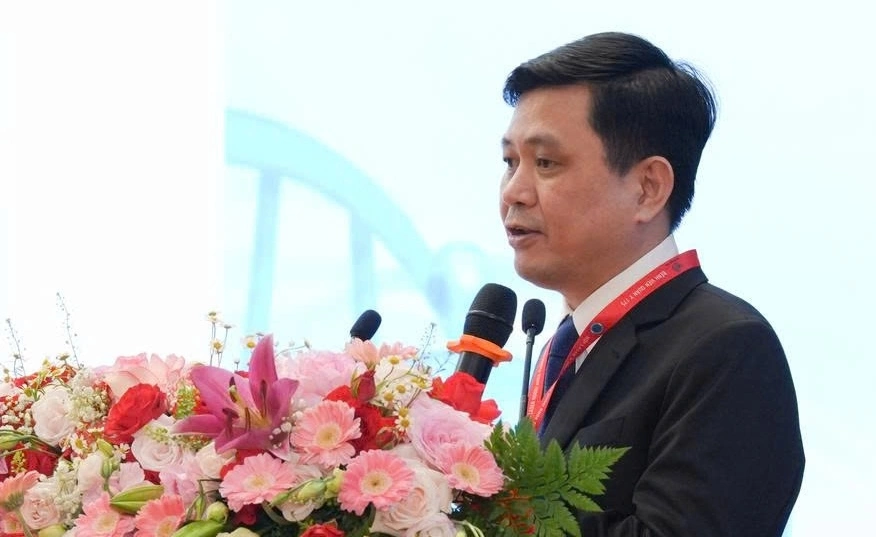 |
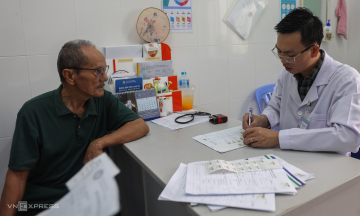
Associate Professor, Doctor Van The Trung at the conference on 2/8. Photo: Hospital provided |
In aesthetics, Doctor Trung stated that lasers deliver clear results for certain indications, such as treating pigmentary birthmarks, vascular lesions, or hair removal. In these cases, lasers significantly improve appearance and quality of life.
However, not all dermatological issues respond well to laser treatment. For instance, melasma, a condition influenced by numerous factors including hormones, sun exposure, genetics, and lifestyle, is difficult to optimize with laser treatment alone. Patients often achieve better results by combining topical medications, oral medications, sun protection, and lifestyle modifications.
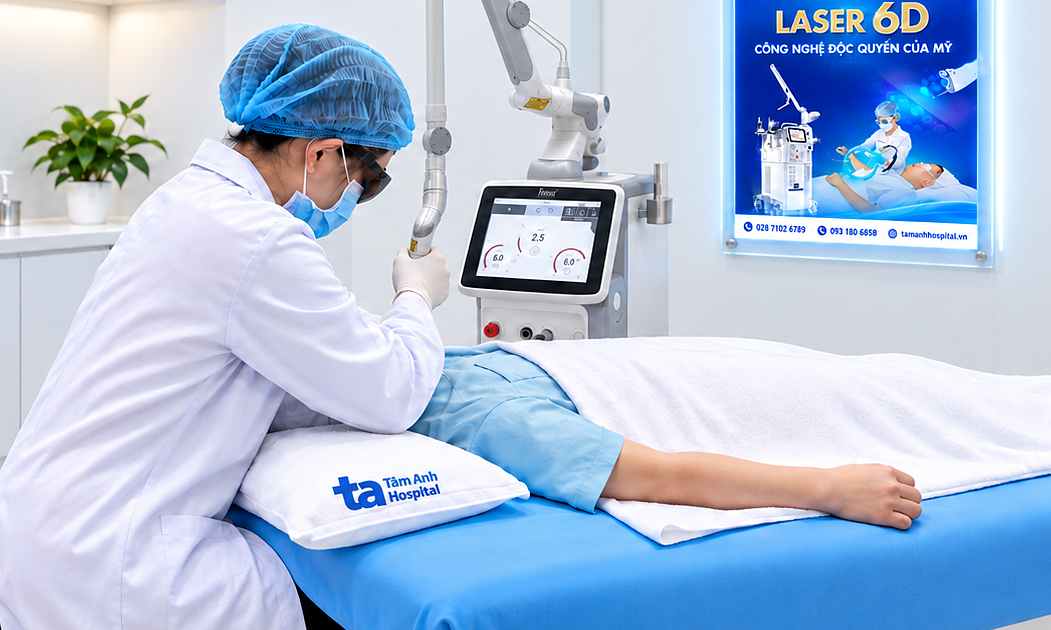
Another concern for experts is the excessive promotion of laser benefits by many facilities, often with untrained practitioners. According to Doctor Trung, high-power laser devices can cause eye damage if proper safety protocols are not followed. Incorrect selection of treatment parameters also risks mottled skin, hyperpigmentation, infection, or scarring.
"The more modern the equipment, the more specialized training is required. One cannot simply buy a machine and use it without professional knowledge," he emphasized. Laser operators must undergo training at universities and hospitals, and continue practical experience under supervision before proficiently using each type of equipment.
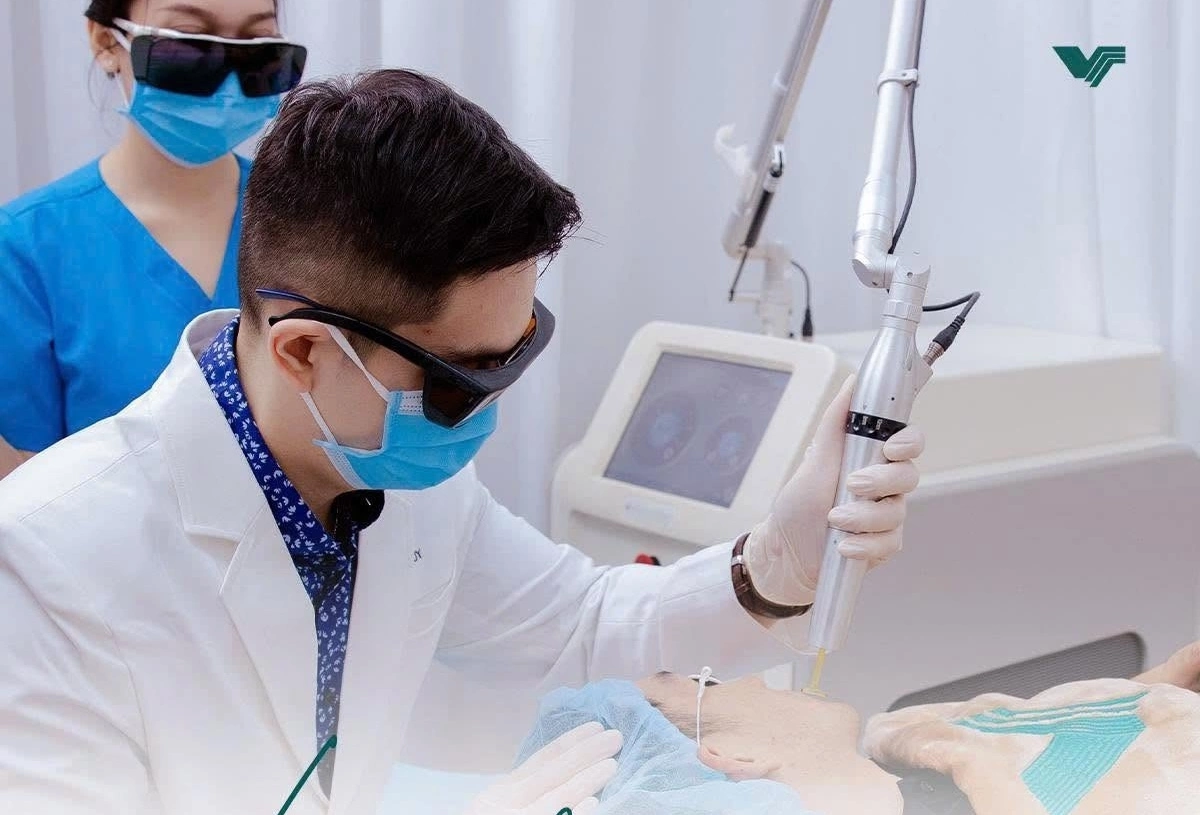 |
Laser users need proper training and must follow correct indications. Photo: Doctor provided |
Regarding advertisements like "look 10 years younger after just one treatment," Doctor Trung affirmed that these are merely tactics to impress customers. No device can make someone look 10 years younger, and no such measurement exists. Even high-power lasers require time for tissue regeneration. Any effective single treatment is not permanent, as the aging process continues.
He advised the public not to make beauty decisions based solely on advertisements. Instead, individuals should thoroughly research the indications, the facility performing the treatment, and the qualifications of the equipment operator. Over-advertising not only leads to false customer expectations but can also result in disputes when outcomes are not as desired.
Speaking at the conference, Associate Professor, Doctor Nguyen Thi Ngoc Dung, President of the Ho Chi Minh City Medical Association, noted that the advancement of lasers, energy-emitting devices, and regenerative medicine is opening new treatment avenues. However, modern medicine trends favor applying these technologies based on scientific evidence, proper indications, and interdisciplinary coordination to achieve higher efficacy, less invasiveness, and improved quality of life for patients.
Le Phuong