


Ms. Nguyet, a teacher, resides in the former Phu My Hung urban area, now part of Tan My ward, Ho Chi Minh City. Previously, she had no underlying health conditions and stable health. However, frequent late-night lesson preparation led to sleep deprivation and fatigue.
In early 12/2025, Ms. Nguyet began experiencing a burning pain in her sacrococcygeal region near the anus, which gradually worsened. By the fourth day of illness, she sought medical attention and was surprised to be diagnosed with shingles in such a private area.
"That was a terrible time," Ms. Nguyet recalled.
The sensitive location of the lesions caused her embarrassment and made self-care difficult. She struggled to apply medication or monitor the wounds, needing family assistance. The intense pain affected her appetite, prevented her from sleeping on her back, and caused significant stress during bowel movements.
As a teacher, her job requires extensive sitting, walking, and standing in class. The pain made it difficult for her to concentrate on work, forcing her to take extended leave for treatment.
Over one month later, as her condition improved, she visited VNVC District 7 to learn about the shingles vaccine. After a doctor advised her that the disease could recur and that vaccination helps prevent it while reducing the risk of postherpetic neuralgia and other complications, she decided to get vaccinated. She also received advice on other vaccines like influenza, meningococcal, and pneumococcal, due to concerns about her weakened immune system and susceptibility to illness.
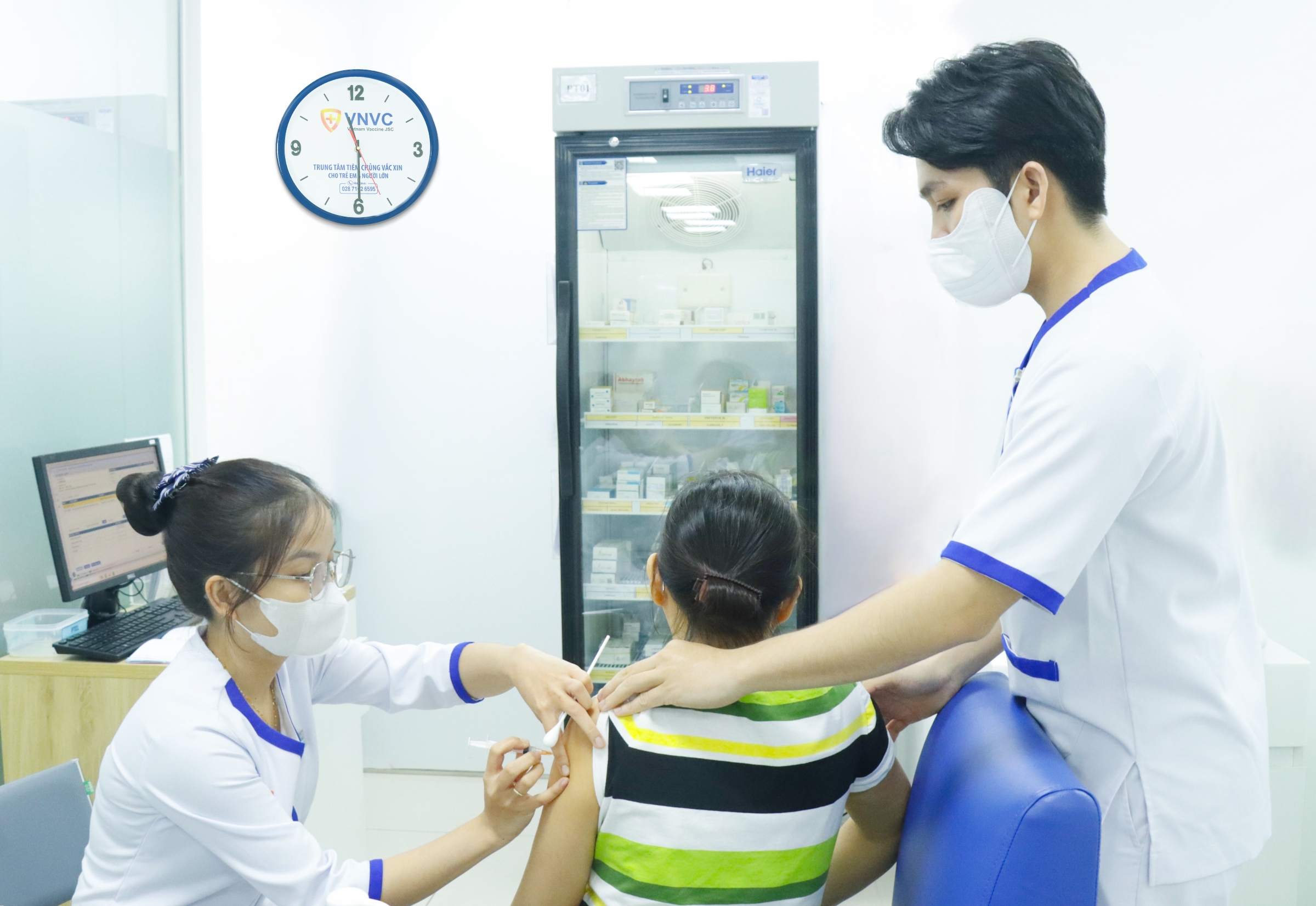 |
People receiving shingles vaccine at VNVC Immunization System. Photo: Hoang Duong |
A year ago, Mr. Phan, 51, from Tay Ninh, experienced a burning pain in his scrotum but initially thought it was an insect bite. The sensitive area made him hesitant to seek medical examination.
About one week later, the affected area worsened, developing numerous tiny blisters. The pain became so severe that at times he experienced involuntary bowel and bladder movements. His marital relationship was also strained as his wife suspected he had a sexually transmitted disease. It was then that he finally sought medical attention.
"The diagnosis was shingles; fortunately, it hadn't spread too widely. I was prescribed oral and topical medication and treated at home for nearly two months before recovering. However, the pain in the affected area has persisted until now," Mr. Phan stated. Recently, he visited VNVC to get vaccinated to prevent disease recurrence.
Dr. Danh Thi My Hong, First Degree Specialist and Medical Manager at VNVC Immunization System, explained that shingles is caused by the varicella zoster virus reactivating after a person has previously had chickenpox. The disease typically causes pain, tingling, and stinging in the affected skin area, followed by the appearance of single blisters or clusters along the nerve pathway. Shingles pain is often described as feeling like an electric shock or a scalding burn.
Chickenpox is a common illness. Before the vaccine, over 90% of the population had contracted the disease, with many cases showing no clear symptoms.
Shingles most commonly affects the chest and intercostal region, accounting for about one-half of all cases. This is followed by the neck, at approximately 20%, and the eyes, at about 15%. Shingles in the sacrococcygeal or genital regions are rarer. One case report published in the U.S. National Library of Medicine in 2021 indicated that the incidence of sacrococcygeal shingles is about 4-8%, and genital shingles is about 2%. However, the actual numbers may be higher due to many unreported or misdiagnosed cases.
According to Dr. Hong, shingles in the anal and genital areas are easily mistaken for other conditions such as genital herpes simplex or dermatitis caused by rove beetles. The sensitive location also causes many people to delay seeking medical attention, leading to a worsening of the disease.
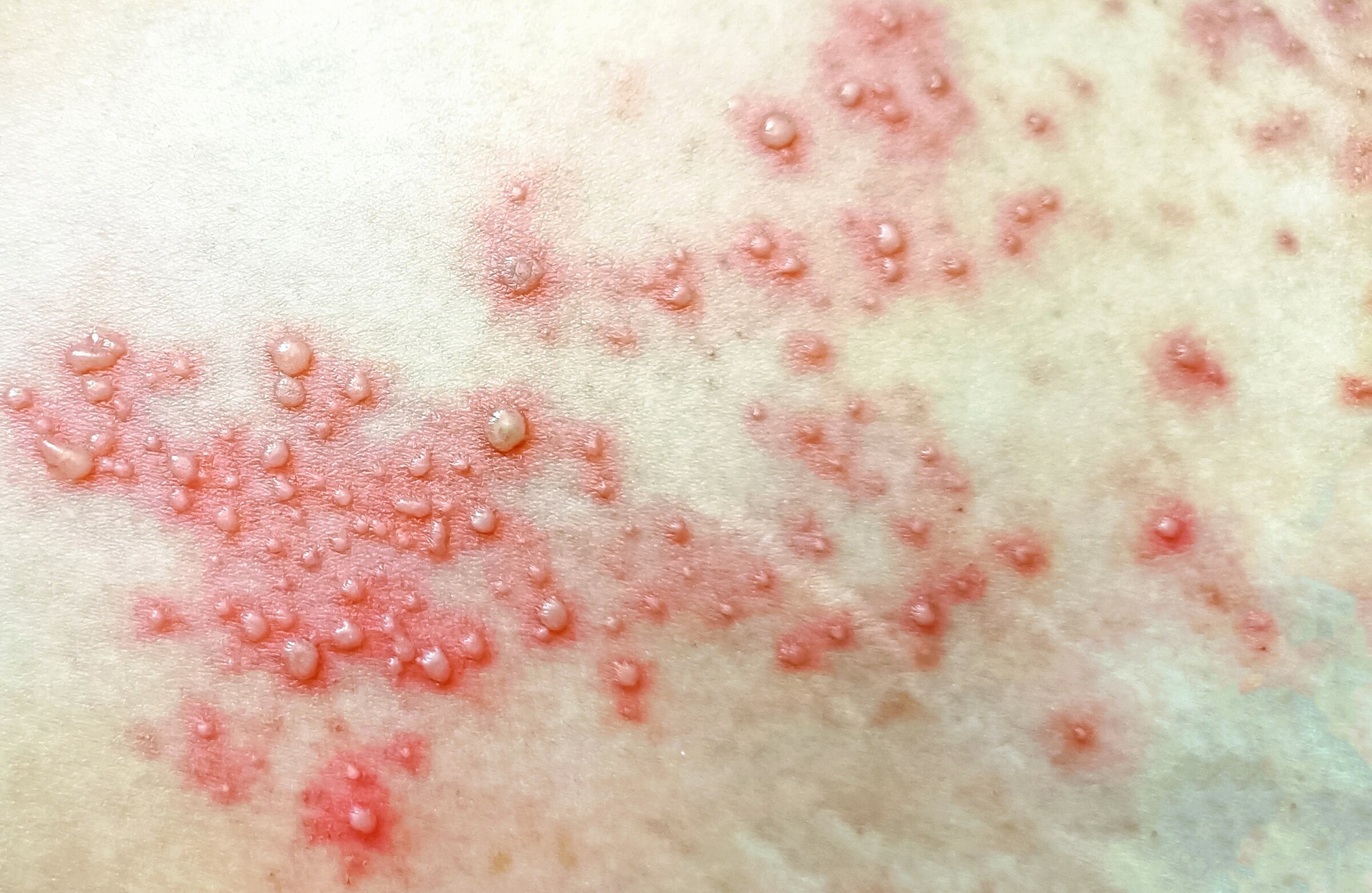 |
If shingles is not detected and treated promptly, the disease can progress severely, causing pain and a risk of complications. Photo: Vecteezy |
Antiviral medications are currently available to treat varicella zoster. However, some individuals still experience complications such as skin infections, corneal ulcers, meningitis, and postherpetic neuralgia. These complications can lead to prolonged treatment, high costs, and negative impacts on health, daily life, and psychological well-being.
To prevent the disease, Vietnam currently offers GSK's Shingrix shingles vaccine, indicated for individuals aged 50 and older, and those 18 and older with weakened immune systems due to chronic illness or immunosuppressive medication. The vaccination schedule consists of two doses, administered one to two months apart, depending on age and risk of disease.
Completing two vaccine doses provides up to 97 percent effectiveness against shingles, while also reducing the risk of postherpetic neuralgia and other complications by over 90 percent.
In addition to vaccination, doctors recommend that everyone balance work and rest, prioritize physical and mental health, and improve their overall physical condition to ensure a strong immune system. Individuals with weak immunity should avoid contact with those currently ill, maintain personal hygiene, and engage in appropriate physical activity.
Tuan Khanh


