The kidneys filter waste products, remove excess water, and regulate electrolytes in the body. When kidney function declines, water and salt can accumulate in tissues, leading to swelling.
Hypertension and kidney disease share a bidirectional relationship. Persistently high blood pressure can damage the small blood vessels within the kidneys, impairing their filtration capacity. Conversely, declining kidney function causes the body to retain salt and water, which can elevate blood pressure or make it challenging to manage. Consequently, individuals with long-term hypertension face an increased risk of chronic kidney disease, particularly when their blood pressure is not adequately controlled.
Chronic kidney disease often progresses silently. As kidney function declines, patients may experience swelling, altered urination habits, fatigue, or loss of appetite. Swelling typically manifests in the feet, ankles, lower legs, or around the eyes, resulting from water retention or protein loss through urine. Some individuals report swollen eyelids upon waking, and leg swelling may become more pronounced after extended periods of standing or sitting.
However, swelling is not exclusively a sign of kidney failure. This symptom can also be associated with heart disease, liver conditions, venous insufficiency, or even be a side effect of certain medications.
 |
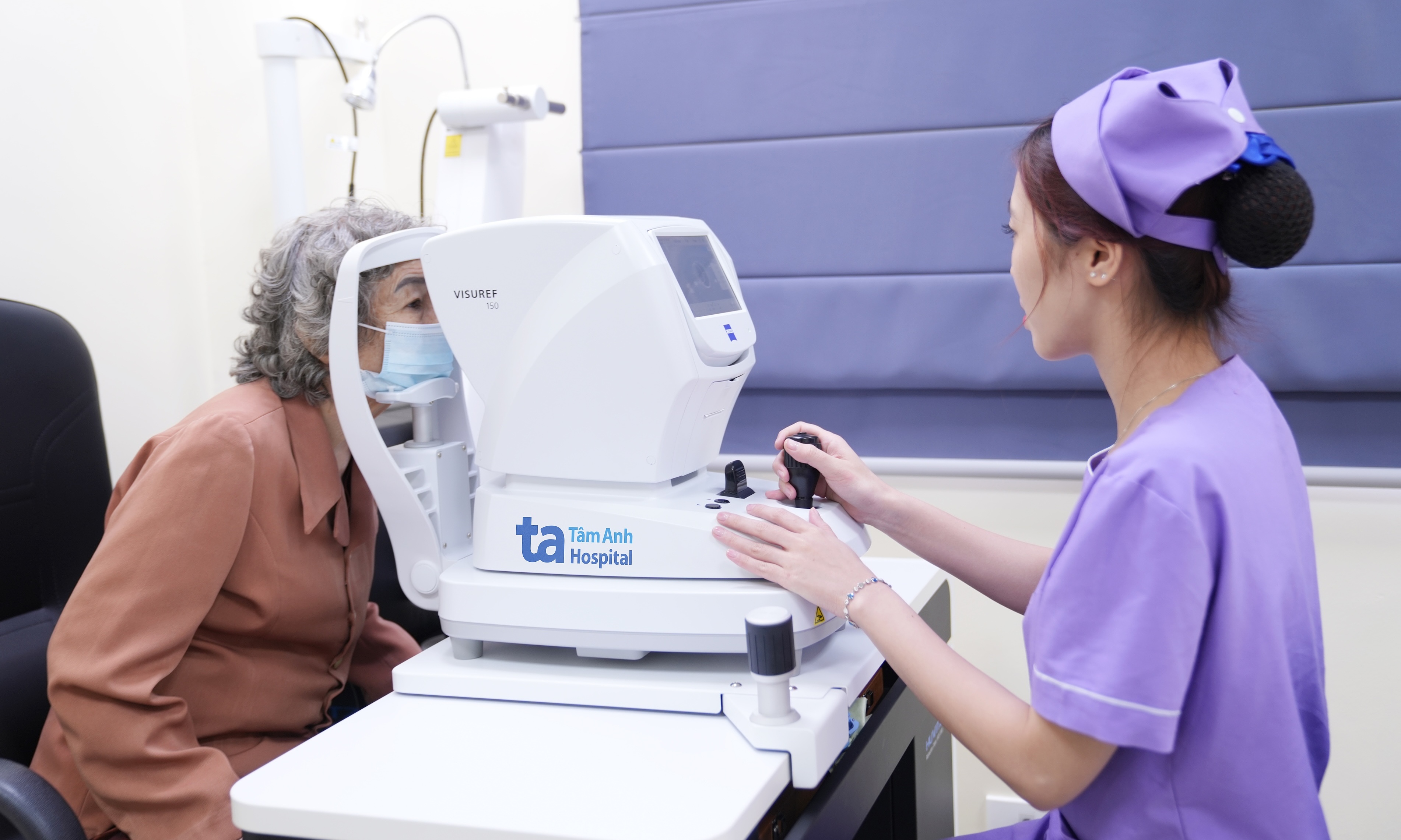
Doctor Tai examines leg swelling in a patient with kidney failure. *Illustration: Tam Anh General Clinic District 7*
Your recent and persistent swelling of the feet and eyelids could indicate fluid retention stemming from impaired kidney function, protein loss through urine, or another underlying medical condition requiring assessment. Given your history of hypertension for over 5 years, checking your kidney function is particularly crucial.
You should seek medical attention promptly to determine the underlying cause, rather than attempting self-treatment through dietary adjustments at home. A doctor will need to gather additional information, including the onset and severity of the swelling, any changes in weight, urine output, current medications, and the effectiveness of your blood pressure management.
Depending on your specific condition, the doctor may order various tests: blood pressure measurement, blood tests to assess creatinine levels and estimated glomerular filtration rate, urine tests to detect albumin or protein, and checks for electrolytes and other relevant indicators. Kidney ultrasound or other diagnostic imaging methods may be performed if deemed necessary.
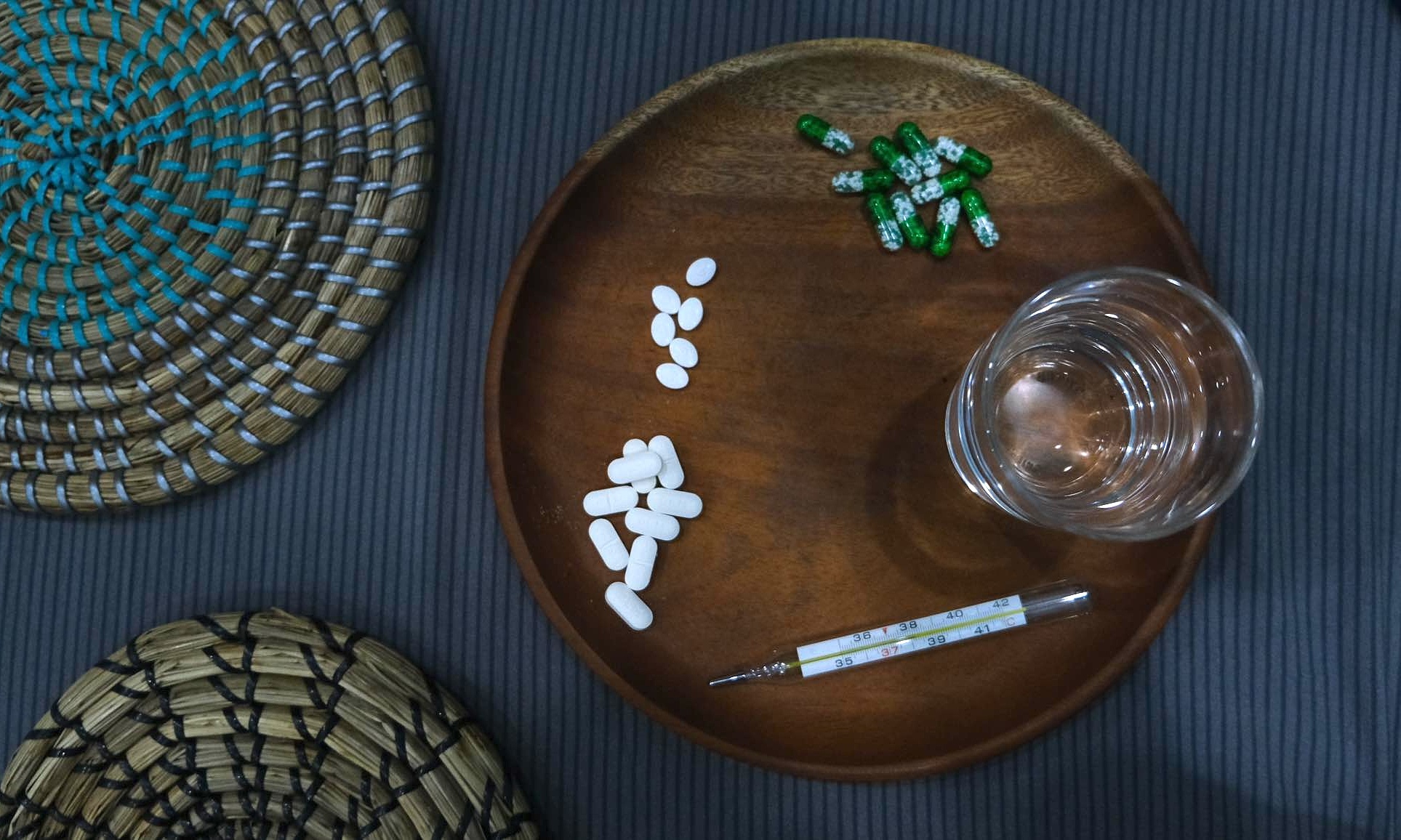
While awaiting your appointment, continue taking your prescribed blood pressure medication, monitor your blood pressure and weight, and document any swelling or changes in urination. Limit salt intake, and avoid self-administering diuretics, traditional herbal remedies with unknown ingredients, or anti-inflammatory pain relievers, as these can negatively impact kidney function.
Crucially, do not attempt to 'detoxify' your kidneys by arbitrarily drinking excessive amounts of water, nor should you severely restrict water intake without medical guidance. The appropriate fluid intake depends on individual kidney function, cardiovascular status, urine output, and the degree of fluid retention.
If swelling rapidly worsens or is accompanied by shortness of breath, chest pain, or a significant decrease in urine output, seek immediate medical attention for prompt diagnosis and treatment.
Dr. Lai Tan Tai, Specialist Level I
Nephrology - Dialysis Unit,
Tam Anh General Clinic District 7
| Readers can submit questions about kidney disease here for a doctor's response. |