The knee joint naturally contains a small amount of synovial fluid, which lubricates the joint, ensuring flexible movement and reducing friction. When the joint is inflamed, degenerated, or injured, the synovial membrane can produce more fluid than usual, leading to fluid accumulation, swelling, and pain within the joint.
According to Doctor Hoang Doan Trang, from the Department of Musculoskeletal at Tam Anh Cau Giay General Clinic, knee effusion is not a disease itself but a symptom arising from various causes, such as osteoarthritis, ligament or meniscus injuries, acute arthritis, acute gout, chronic inflammatory arthritis, or infection. Treatment for knee effusion depends on its underlying cause. Patients should consider the following lifestyle points:
Limit pressure on the knee
When the knee is swollen and painful, patients should temporarily limit activities that place significant pressure on the joint, such as walking, running, jumping, climbing stairs, squatting, or prolonged kneeling. Attempting strenuous activity while the joint is swollen can increase pain and prolong the recovery process.
However, prolonged inactivity can lead to joint stiffness, weakening of the muscles around the knee, and difficulty walking. Once swelling and pain subside, patients should gradually resume physical activity, prioritizing gentle movements that do not exacerbate pain.
 |
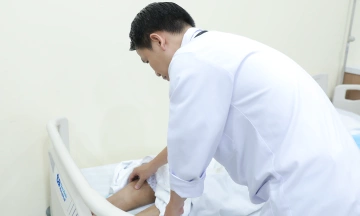
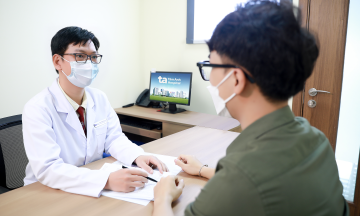
A doctor examines a patient with symptoms of knee effusion. Illustration: Tam Anh General Hospital |
Apply cold compresses for knee swelling and pain
If the knee becomes swollen and painful after activity or an injury, applying cold compresses can help reduce pain and swelling. Patients can use a cold pack or ice wrapped in a damp cloth, applying it for about 10-15 minutes at a time. Avoid placing ice directly on the skin, and applications can be repeated multiple times throughout the day.
Patients should not arbitrarily apply heat, hot oil massages, or alcohol compresses when the joint is swollen, hot, or red, especially if the cause has not been identified. If the joint exhibits clear swelling and heat, severe pain, or is accompanied by fever, patients should seek medical attention at a hospital for a specialist to determine the cause and provide timely treatment.
Maintain a suitable diet and weight
No food can quickly "dissolve" fluid within the joint. Patients should consume a diverse, nutritious diet, increasing green vegetables, fruits, and appropriate protein sources, while limiting high-energy foods if overweight. Individuals with knee osteoarthritis should maintain a healthy weight to reduce pressure on the joint, which helps improve pain levels and mobility.
If effusion is related to gout, the diet requires specific adjustments. Patients should limit alcohol and purine-rich foods such as organ meats, certain seafood (shrimp, squid), and red meats (beef, goat, dog meat), while controlling uric acid levels as advised by a doctor. Patients should drink 1.5-2 liters of water daily and avoid holding urine.
Patients should not excessively restrict their diet or eliminate multiple food groups solely due to knee effusion without knowing the underlying cause.
Avoid self-medicating with anti-inflammatory drugs or pain relievers
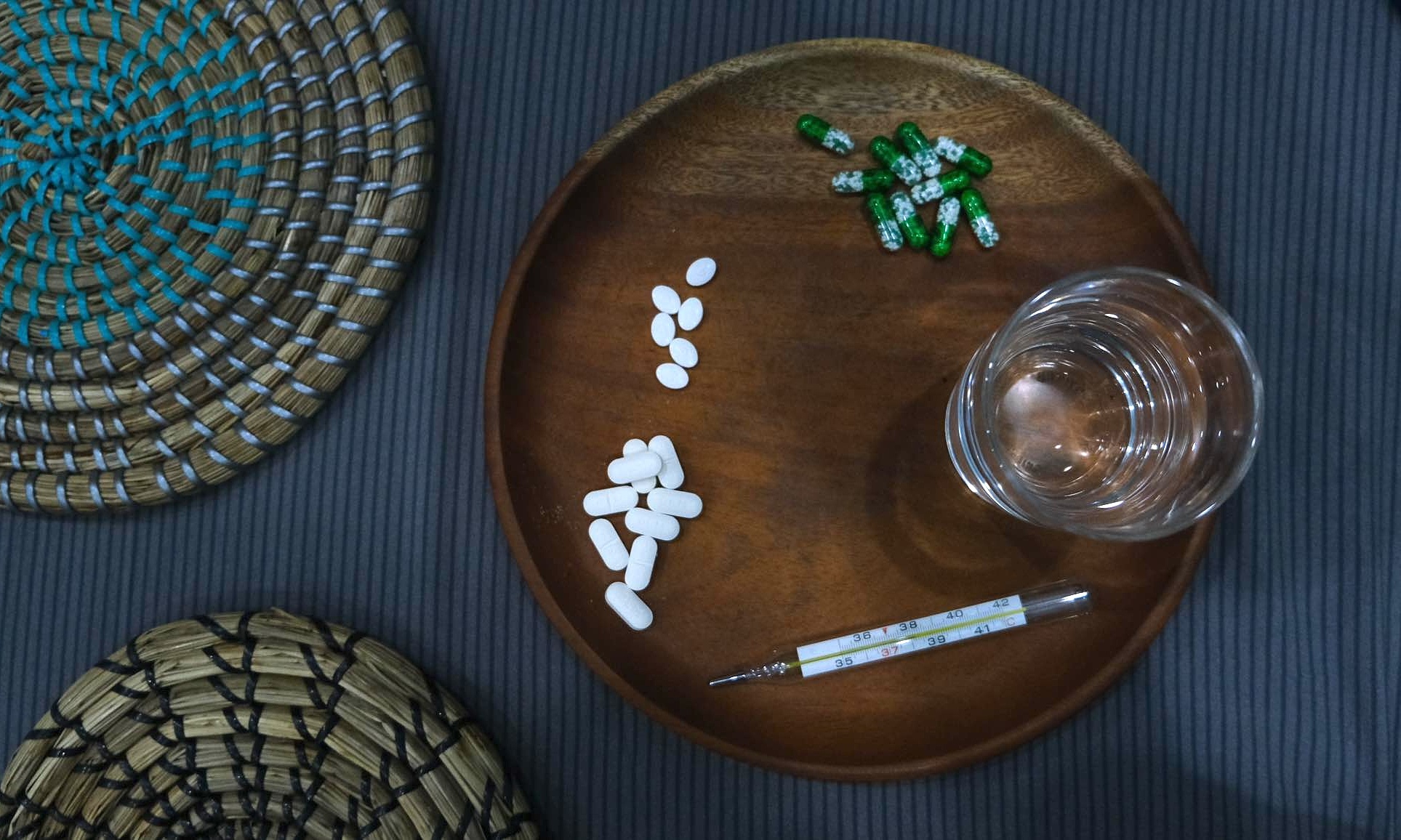
When the knee is swollen and painful, many people tend to self-purchase pain relievers or anti-inflammatory drugs for quick symptom relief. However, according to Doctor Trang, these medications typically only manage acute pain and inflammation while being taken, without truly addressing the root cause of knee effusion. Chronic conditions causing recurrent knee effusion are often complex and require specialized treatment protocols. Self-medicating, especially for prolonged periods or at high doses, can increase the risk of side effects, potentially leading to disease progression and lasting complications.
Some anti-inflammatory pain relievers can cause gastrointestinal irritation, ulcers, or bleeding, affect kidney function, lead to fluid retention, and increase blood pressure in certain individuals. The risk may be higher in older adults, those with co-existing conditions such as stomach issues, cardiovascular or kidney disease, or individuals taking other medications. Therefore, patients should not self-purchase medications for prolonged use or increase doses themselves if pain has not subsided.
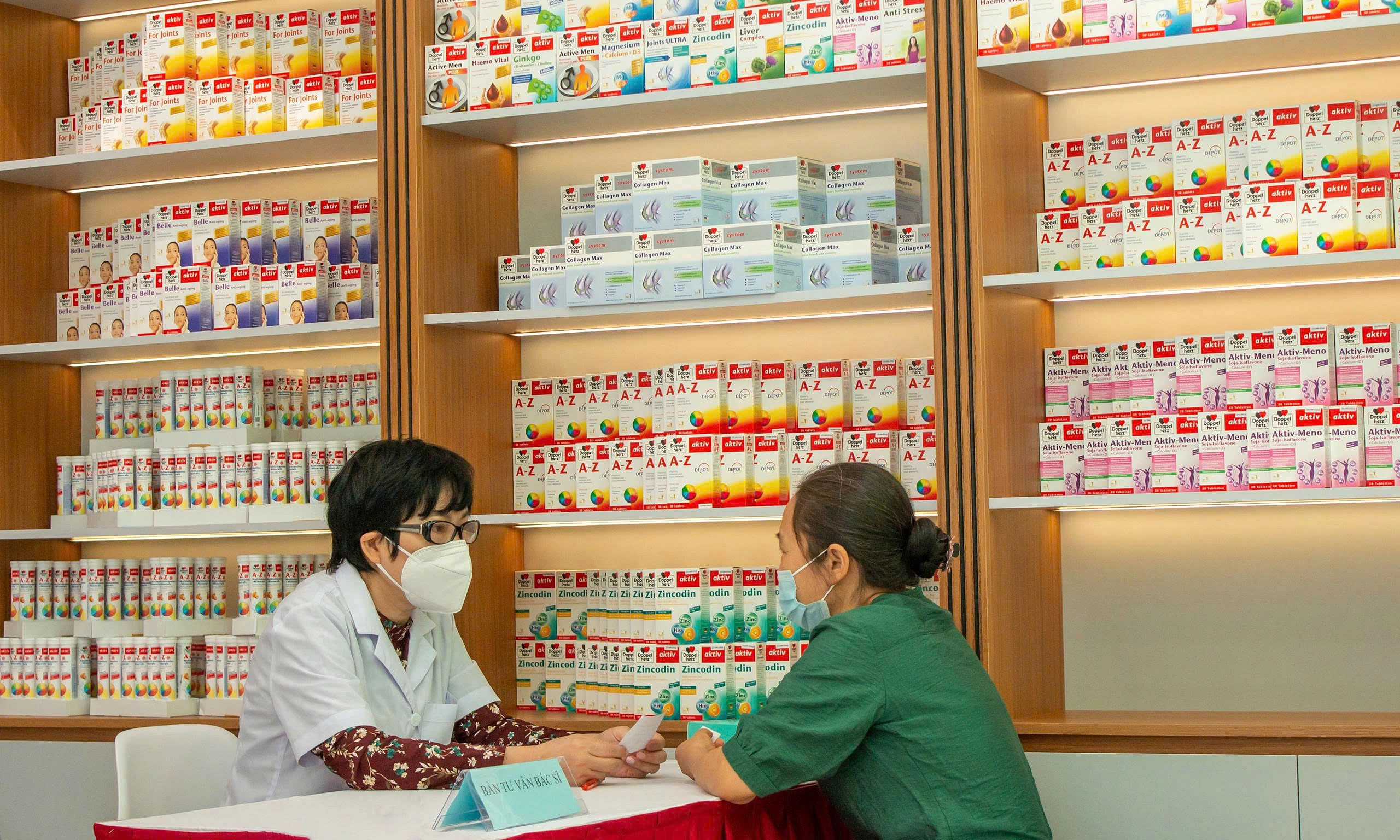
Doctor Doan Trang advises patients to seek medical consultation so a doctor can assess the cause of effusion and select appropriate medication, dosage, and treatment duration. If currently taking medication for another condition, patients should also inform their doctor to avoid drug interactions or increased risk of side effects.
If knee swelling and pain persist or recur frequently, patients should consult a musculoskeletal specialist for prompt and effective diagnosis and treatment to prevent future complications.
Hieu Nguyen
| Readers can submit questions about musculoskeletal diseases here for doctors to answer |