Menstrual pain is categorized into two types: primary and secondary. Primary menstrual pain does not stem from gynecological conditions. It typically emerges in the early years after menstruation begins, diminishing with age and sometimes after childbirth.
Secondary menstrual pain is linked to gynecological conditions or structural abnormalities of the reproductive organs. Potential causes include: endometriosis, uterine fibroids, ovarian cysts, gynecological infections, or malformations of the reproductive tract. Certain abnormalities can obstruct menstrual flow, leading to blood retention and severe cyclical pain.
This condition can appear from the first menstrual cycles after puberty. A medical examination is necessary to identify the cause and determine appropriate treatment. If menstrual pain is associated with endometriosis, which can cause inflammation, scar tissue formation, and pelvic adhesions, it may impact the conception process.
 |
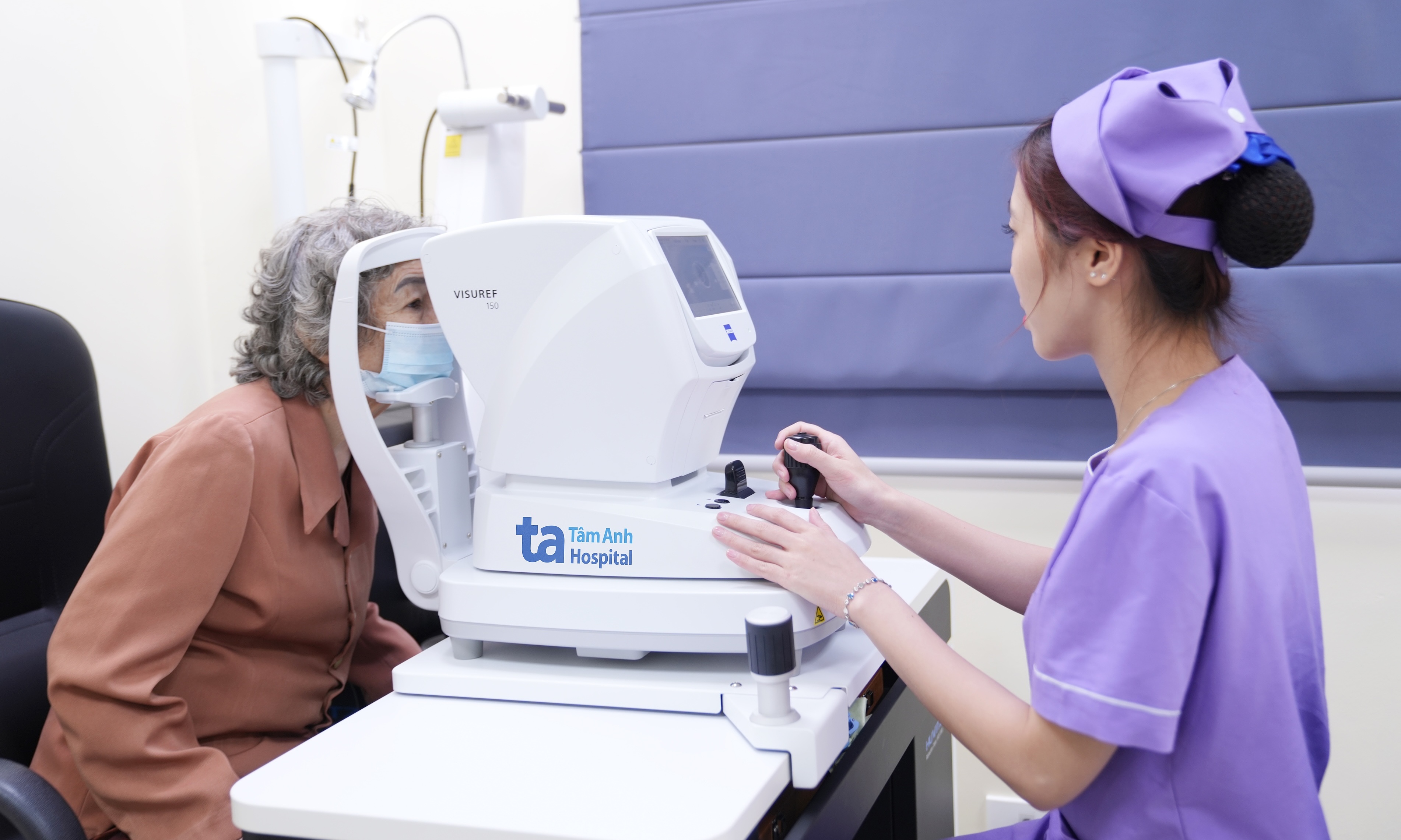
Master, Doctor Nguyen Thi Thuy provides reproductive health counseling to patients. Illustration photo: IVF Tam Anh |
If you experience severe menstrual pain, especially if it worsens over time or interferes with daily life, a gynecological examination is recommended to determine the cause. Given that you and your husband have been trying to conceive for one year without success, you should also seek an infertility consultation. A doctor can then assess both your fertility and advise on suitable interventions to help you achieve pregnancy.
Master, Doctor Nguyen Thi Thuy
Center for Reproductive Assistance
Tam Anh General Hospital, TP HCM
| Readers can submit questions about infertility here for doctors to answer. |