Doctor Le Trung Cuong, from the Department of General Internal Medicine at Tam Anh General Hospital, Ho Chi Minh City, stated that the patient's SpO2 (blood oxygen level) was 93%, and upper abdominal pain indicated potential respiratory damage accompanying a digestive condition.
Mr. Hao suffered from prolonged gastroesophageal reflux, bronchiectasis, chronic obstructive pulmonary disease, and residual effects of tongue atrophy and dysphagia following radiotherapy for nasopharyngeal cancer. These factors impaired his swallowing reflex and airway protection, making it easy for food or gastric fluid to "stray" into his lungs, causing lung damage, leading to aspiration pneumonia and acute respiratory failure.
Test results showed his CRP (an indicator of inflammation) was 104 mg/L, 20 times higher than the normal limit. CT scans revealed bilateral hazy opacities in his lungs, consistent with a diagnosis of progressive pneumonia.
The patient's treatment regimen included a combination of strong intravenous antibiotics, gastric acid-reducing medication, mucosal protective agents, expectorants, and bronchodilator nebulizers. He also underwent respiratory physiotherapy and swallowing exercises to improve airway protective functions.
 |
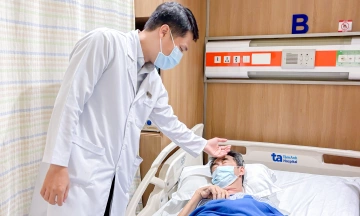
Doctor Cuong consults Mr. Hao on managing underlying conditions during a follow-up visit. *Photo: Tam Anh General Hospital*
After three days of treatment, his symptoms gradually improved, with reduced shortness of breath and coughing. However, his lungs still showed chronic damage and signs suggestive of prolonged, recurrent gastric fluid aspiration due to reflux and dysphagia. Imaging results recorded a dilated esophagus, increasing the risk of digestive fluid refluxing higher and entering the airways.
Additionally, doctors noted the patient had an Aspergillus fungal infection in his chronically damaged lungs. The team added antifungal medication and controlled doses of corticosteroids to reduce airway inflammation. This condition is common in individuals with chronic lung disease undergoing long-term treatment, where weakened immunity creates conditions for opportunistic microorganisms to thrive.
After over one week of treatment, the patient resumed eating and drinking, experienced less choking coughs, and had more stable respiration.
According to Doctor Cuong, signs such as prolonged coughing after eating, frequent choking coughs, wheezing, recurrent pneumonia, or dysphagia should not be taken lightly. Patients need early examination to determine the cause and receive appropriate treatment.
The doctor also advised individuals with prolonged reflux symptoms or unexplained coughing not to self-medicate for extended periods. Early detection helps control the disease effectively, limiting the risk of aspiration pneumonia and respiratory failure.
Nhat Thanh
*Patient's name has been changed
| Readers can ask questions about respiratory illnesses here for doctors to answer |