The research team will recruit children with a very poor prognosis for the trial. They will take tumor samples, sequence genes to identify specific markers, and then produce a personalized vaccine within 8 weeks. The children will receive eight injections two weeks apart, followed by booster shots.
The vaccine is custom-formulated for each patient, utilizing mRNA technology similar to the Covid-19 vaccine. This vaccine aims to support cancer treatment, improve the quality of life for young patients, and alleviate severe symptoms caused by the disease.
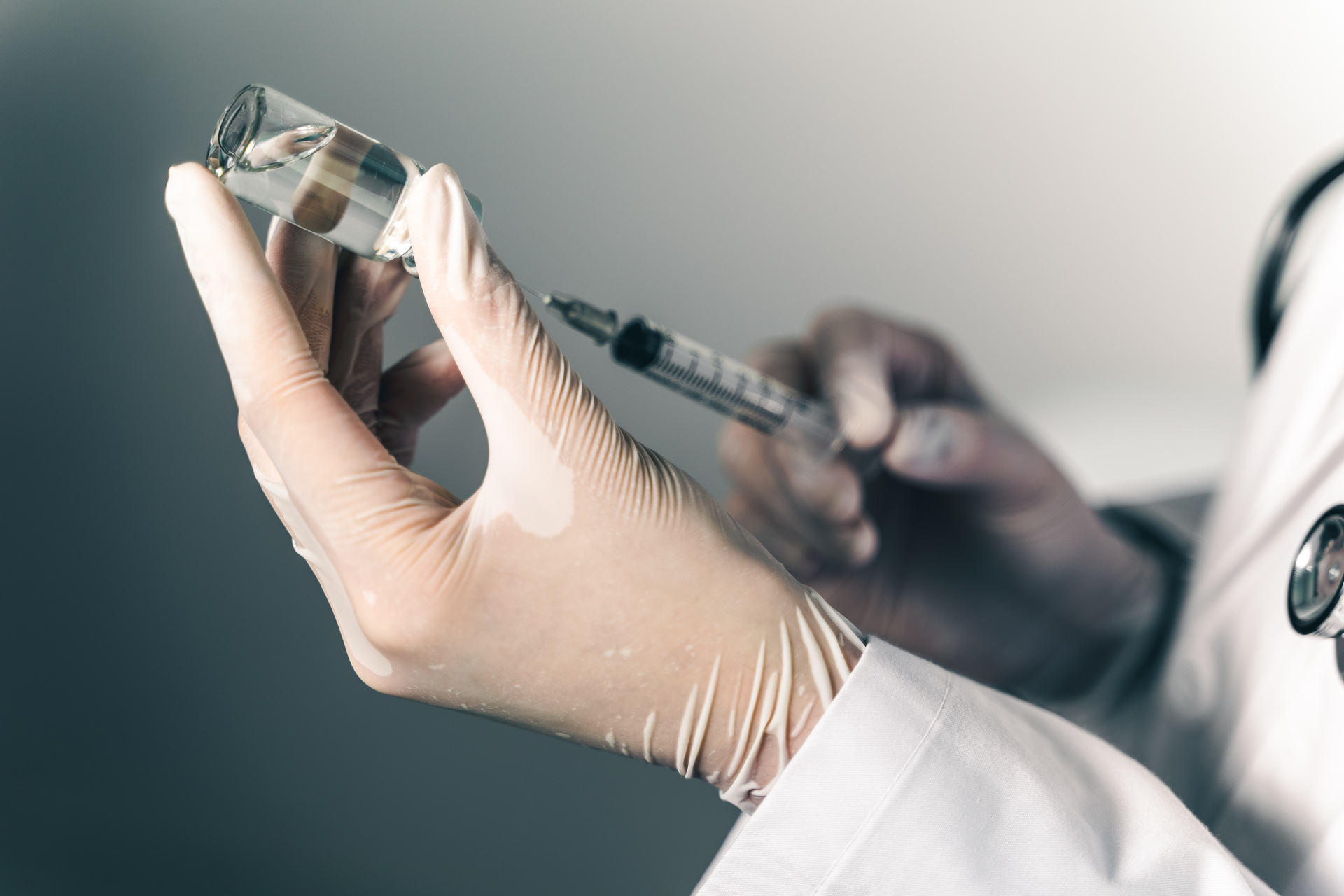 |
Illustration of the cancer vaccine trial process. Photo: Vecteezy |
This trial is being conducted by the Australia and New Zealand Children's Hematology-Oncology Group (ANZCHOG), in collaboration with research institutes and biotechnology companies. Notably, the project has received funding from the Marcus Rosin Foundation, established by the family of a 9-year-old boy who passed away from brain cancer. If successful, this personalized vaccine technology is expected to expand to treat many other types of cancer in the future.
A cancer vaccine helps the immune system recognize and attack cancer cells. There are two forms: preventive vaccines, which stop cancer-causing viruses, and therapeutic vaccines, which are personalized for each patient. Some trials have demonstrated the effectiveness of these vaccines. Despite challenges such as cost, clinical trials, and regulatory approval, cancer vaccines are considered a major breakthrough in modern medicine.
Current global developments in cancer vaccines include: mRNA cancer vaccines, which have shown promising results in trials for pancreatic cancer and melanoma; Russia has three batches of cancer vaccines awaiting approval; and Cuba has a lung cancer vaccine that has been approved for circulation in that country.
Van Ha (According to ABC Australia)