The transverse foramen of the cervical vertebrae from C1 to C6 is where the vertebral artery passes, delivering oxygen-rich blood and nutrients to the brain. In individuals with cervical spondylosis, bone spurs or bulging discs can compress this artery, impeding blood circulation and leading to cerebral ischemia.
Small blood vessels and veins are also susceptible to compression when neck muscles experience prolonged stiffness due to degeneration. This condition worsens when patients sit for extended periods, frequently bow their heads, or turn their necks suddenly. Cervical spondylosis also affects the sympathetic nervous system, which regulates blood vessel dilation and constriction, further reducing cerebral perfusion and contributing to ischemia.
Dr. Hoang Doan Trang, from the Department of Musculoskeletal at Tam Anh General Hospital in Hanoi, states that if left untreated, cerebral ischemia caused by cervical spondylosis can impair brain function, leading to several dangerous complications.
Memory impairment and dementia
Reduced delivery of oxygen-rich blood and nutrients to the brain damages nerve cells. Over time, this can diminish memory, concentration, and reflexes. Without timely treatment, the condition may progress to dementia, affecting memory and the ability to perform daily activities.
Increased risk of stroke
Decreased blood flow makes cerebral blood vessels vulnerable to damage, potentially leading to the formation of blood clots. If a blood clot travels to the brain, it can cause acute cerebral vascular occlusion, resulting in an ischemic stroke. This can lead to paralysis, speech disorders, or even death if not treated promptly.
Increased risk of falls
Cerebral ischemia can disrupt cerebral circulation, reducing balance. When combined with neck and shoulder stiffness and pain, it can slow the body's reflexes, especially when changing positions. Patients may experience dizziness, increasing their risk of falls and dangerous injuries, particularly for elderly individuals.
Impact on daily life
Cerebral ischemia causes fatigue and prolonged sensory disturbances, impacting quality of life. Patients face difficulties with daily activities that require neck flexion or extension. Over time, this can lead to anxiety, depression, and reduced work performance and overall quality of life.
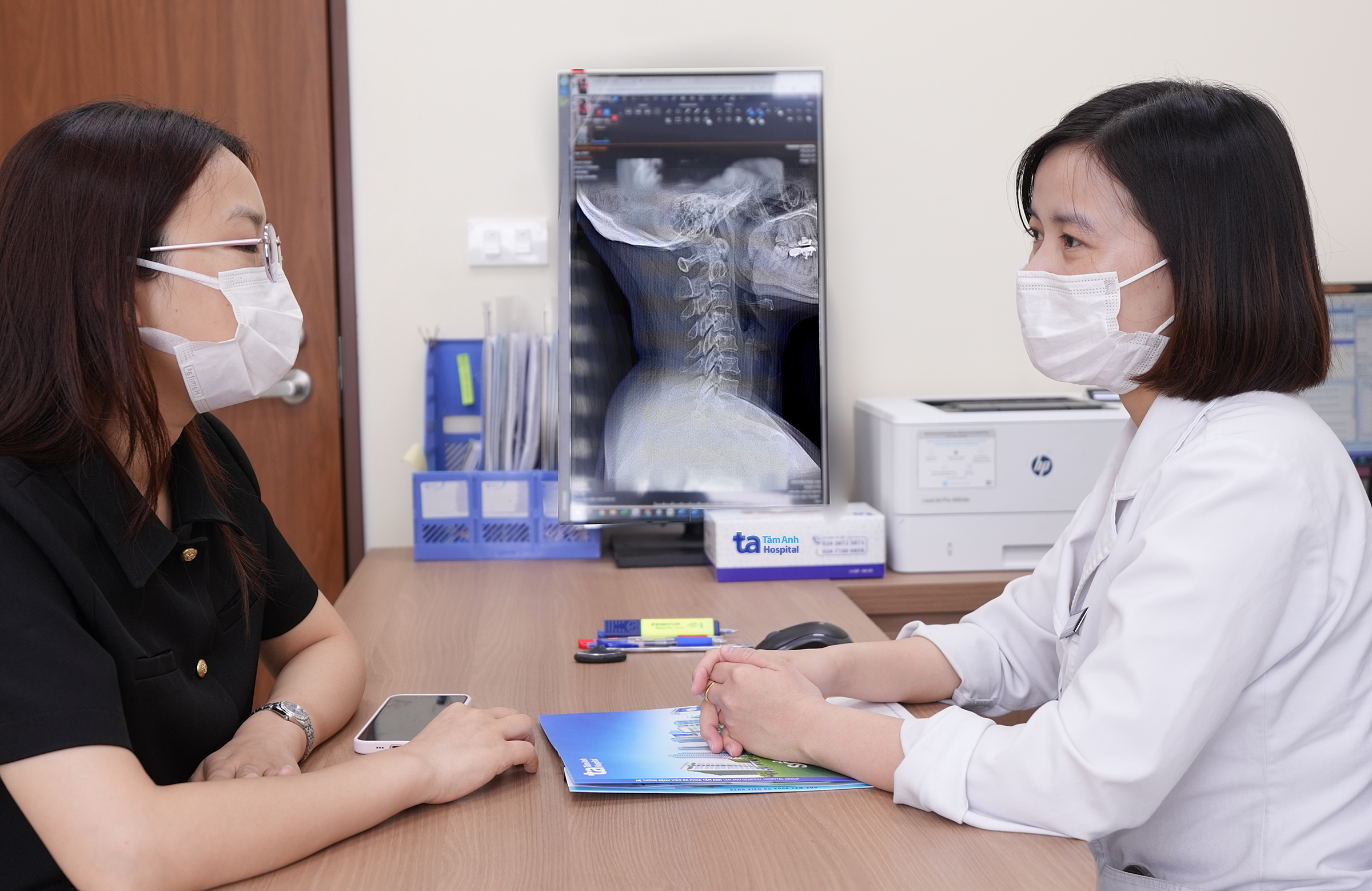 |
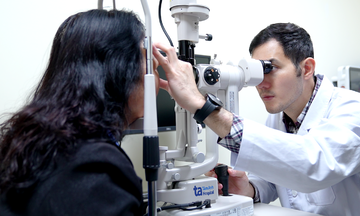
A doctor consults a patient with cerebral ischemia due due to cervical spondylosis. Photo: Tam Anh General Hospital |
Dr. Trang advises that individuals with cervical spondylosis who experience symptoms of cerebral ischemia, such as: dizziness, blurred vision, loss of balance, unsteadiness—especially when changing positions—a feeling of heavy-headedness, dull pain in the posterior occipital region of the neck, blurred vision, tinnitus, reduced concentration, forgetfulness, or insomnia, should visit a multispecialty hospital for examination and treatment.
Depending on the condition, doctors may prescribe muscle relaxants, circulation enhancers, and physical therapy to improve blood flow to the brain and reduce symptoms. In cases where cerebral ischemia is caused by severe compression from discs or bone spurs, surgical intervention may be necessary to relieve the pressure. Patients must adhere to their doctor's instructions and should not self-medicate or adjust dosages without medical approval.
At home, patients can perform gentle neck exercises, including: neck rotations, neck flexion, and bilateral neck stretches, to help reduce compression. It is important to maintain correct working posture, limiting deep flexion or extension of the neck for prolonged periods. When working, keep the computer at eye level and maintain a straight neck. Choosing a suitable pillow for sleeping and ensuring adequate rest can also help mitigate cerebral ischemia caused by cervical spondylosis.
Thanh Long
| Readers can submit questions about musculoskeletal diseases here for doctors to answer. |