Ms. Thao sought treatment for severe obesity at Tam Anh General Hospital TP HCM. She weighed 93 kg with a BMI of 36, visceral fat two times the safe limit, grade two fatty liver, and high blood cholesterol. She experienced menstrual disorders since gaining weight, having her period only one time per year, along with dry, rough skin, fatigue, and constipation. Doctor Phan Thi Thuy Dung, from the Department of Endocrinology and Diabetes, suspected an endocrine-related cause for her obesity and ordered a thyroid ultrasound.
The ultrasound revealed a thyroid volume of approximately 1 ml, significantly smaller than the normal 10-15 ml. The gland was atrophied, deformed, and extensively fibrotic, with no observable thyroid parenchyma. Specialized tests showed anti-Thyroglobulin (Tg Ab) antibody levels twice the normal range, and anti-Thyroid peroxydase (TPO Ab) antibodies tested positive.
Doctors diagnosed Ms. Thao with chronic Hashimoto's thyroiditis, a primary cause of obesity and difficulty losing weight. "The disease may have appeared earlier but was not detected and treated in time, leading to permanent thyroid destruction", Doctor Dung explained.
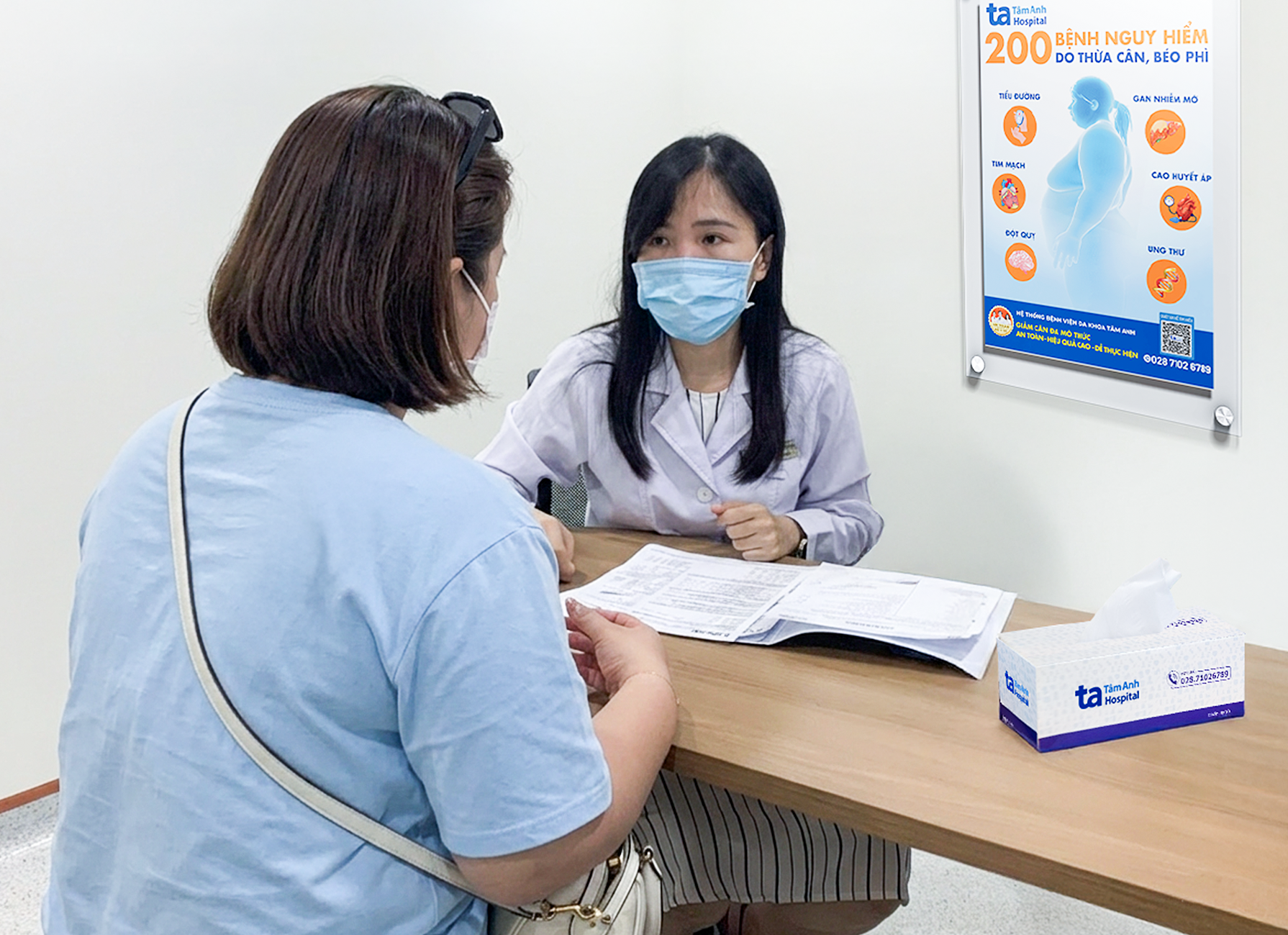 |
Doctor Dung consults with Ms. Thao on treatment. *Photo: Tam Anh General Hospital*
Hashimoto's thyroiditis is a chronic autoimmune disease with no complete cure. It occurs when the immune system mistakenly attacks healthy thyroid cells, causing inflammation, swelling, and gradual destruction of the thyroid gland. This leads to the thyroid losing its function (hypothyroidism), meaning it cannot produce enough hormones, including those that control metabolism and fat, resulting in weight gain. The progression of the disease can cause heart problems, dementia, loss of libido, and infertility.
Weight loss is more challenging for individuals with hypothyroidism because the underactive thyroid slows down the metabolic process. Ms. Thao received a treatment plan for hypothyroidism combined with weight loss, which included thyroid hormones, appetite suppressants, and fat excretors. She required weekly follow-ups for doctors to adjust the dosage based on lab tests. Patients need to adopt an anti-inflammatory diet, reducing calories and increasing fiber, healthy fats, high-quality protein, and gluten-free grains.
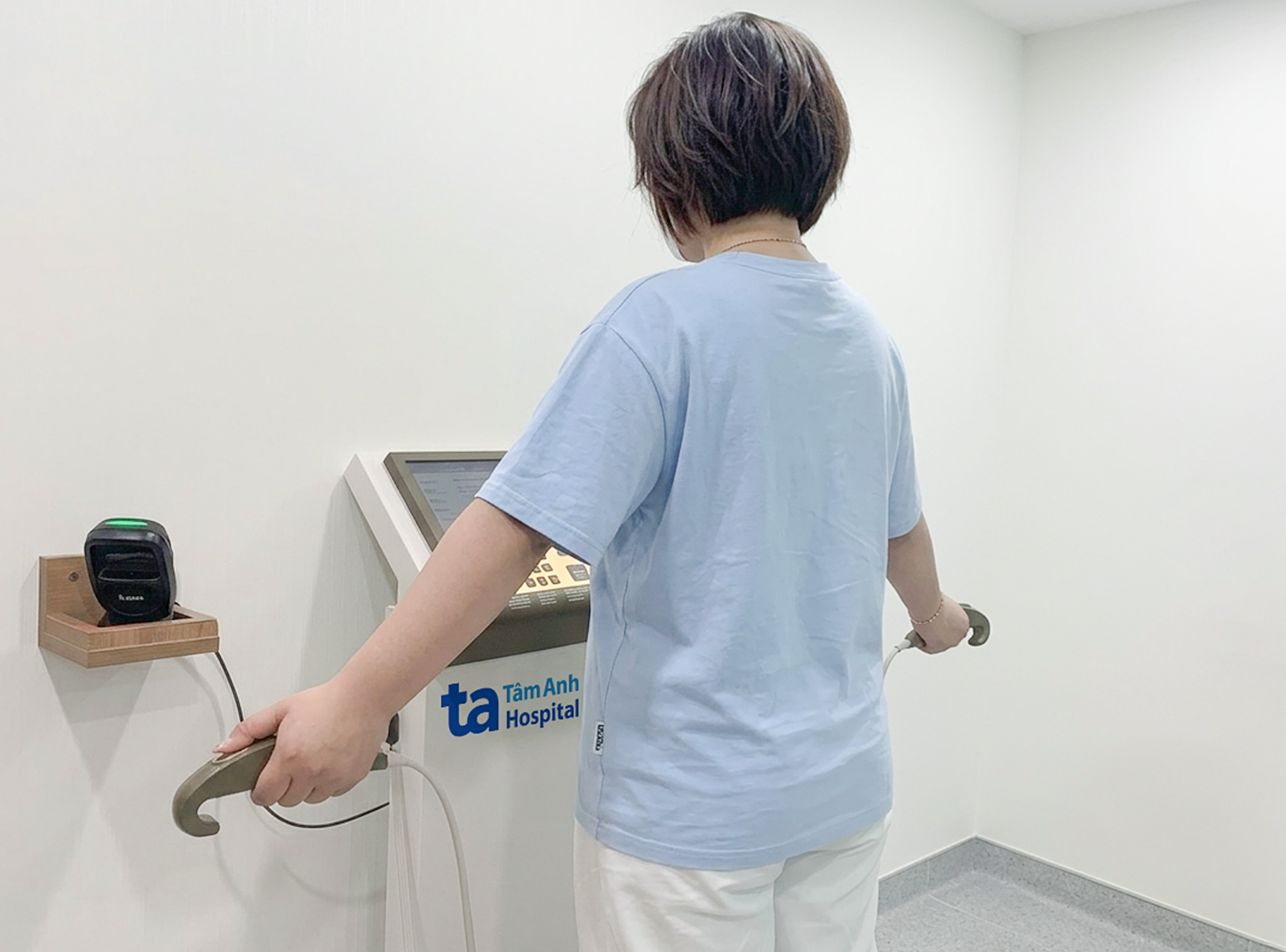 |
Ms. Thao lost 21 kg after five months of weight loss treatment. *Photo: Tam Anh General Hospital*
Every day, Ms. Thao wakes early to practice yoga for 30 minutes with her mother and sister, and takes an additional 20-minute walk in the afternoon. Her family collectively adopted healthier eating habits to support her weight loss journey. After five months of strictly following the regimen, she lost 21 kg and set a goal to reach 55 kg. Her thyroid hormone levels also stabilized, and her metabolism became more efficient.
By Duc Hanh
*Patient's name has been changed
Readers can send questions about endocrine diseases here for doctors to answer.