Knee effusion is an abnormal accumulation of fluid in the knee joint, leading to swelling and pain. It is often caused by injury or related conditions such as osteoarthritis, gout, and rheumatoid arthritis.
Master, Doctor Nguyen Anh Duy Tung, a specialist in Nutrition and Dietetics at Tam Anh General Clinic District 7, states that diet directly influences the degree of inflammation and the knee's recovery capacity. The following foods promote inflammatory responses, hinder tissue regeneration, and increase mechanical stress on the joint, and should be limited by patients.
Fried and greasy foods
Fried foods contain trans fats, which stimulate the production of cytokines—inflammatory mediators in the body. These foods also impair cartilage regeneration, contribute to weight gain, and increase pressure on an effused knee joint.
Spicy foods
In some severe cases of knee effusion, patients experience bruising and joint stiffness. Spicy foods like chili, pepper, and mustard can worsen inflammation and swelling in joint tissues, increasing pain and discomfort.
Sugary sweets
Foods high in sugar, such as pastries, candies, and carbonated drinks, cause blood sugar to spike, promoting inflammatory responses and exacerbating joint swelling. Additionally, simple sugars can lead to metabolic disorders, visceral fat accumulation, and increased load on the knee joint.
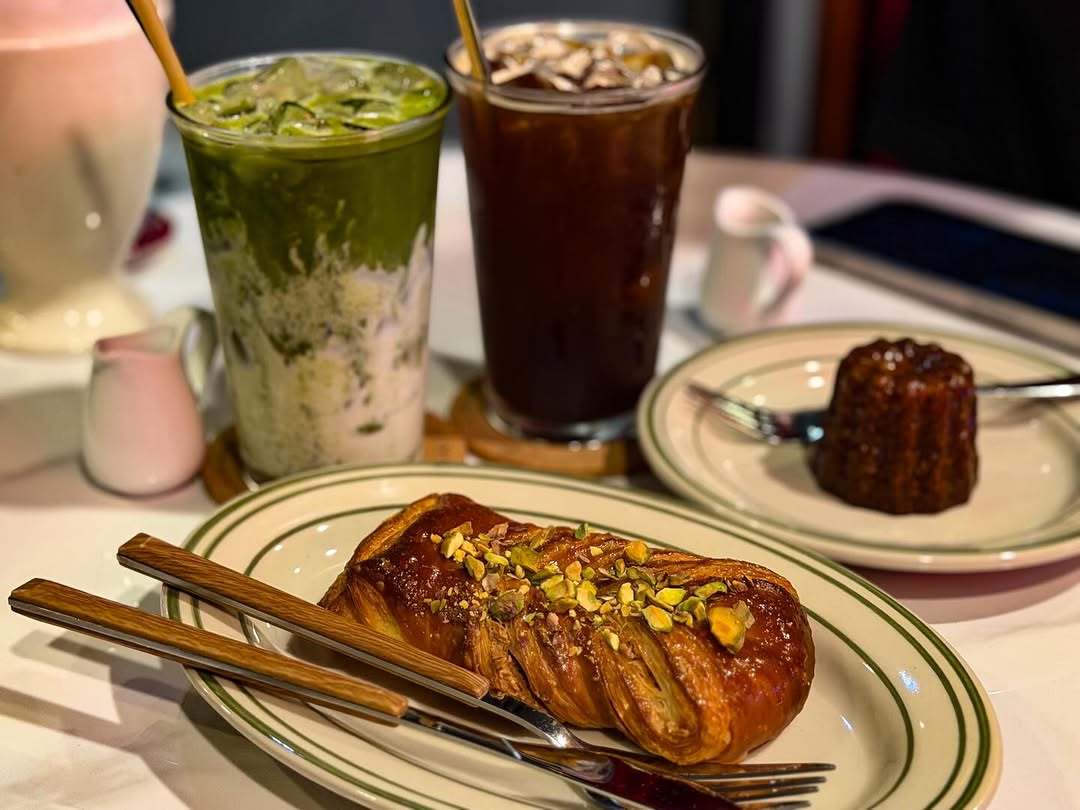 |
Patients with knee effusion who do not limit sweets will experience worsening inflammation and swelling. Photo: Quoc An |
Refined carbohydrates
Refined carbohydrates found in bread, instant noodles, pastries, and sticky rice dishes like xoi and com nep, as well as potatoes, can cause sudden blood sugar spikes, promoting inflammatory responses. These are also energy-dense foods that contribute to weight gain if consumed regularly.
Red meat and organ meats
Beef, lamb, goat meat, and organ meats like liver, heart, and kidneys contain high purine levels. Their metabolism can increase uric acid, leading to arthritis, swelling, pain, and increased joint fluid secretion. Red meat consumption also elevates oxidative stress, causing damage to cartilage and synovial membranes over time.
Organ meats contain high levels of iron and cholesterol, which can affect metabolism and slow down recovery.
High-sodium foods
Salty foods such as pickled vegetables and canned goods have high sodium content, causing the body to retain water, leading to edema, swelling around the joint, and an increased risk of knee effusion. Long-term excess salt intake also impairs calcium absorption, weakening bone and cartilage structures. Patients may experience more pain, even temporary knee paralysis.
Alcohol, beer, coffee, and stimulants
Alcohol and beer contain high levels of alcohol, which reduces the absorption of nutrients essential for cartilage, worsening inflammation, especially in individuals with gout. Consuming over 400 mg of caffeine daily from coffee or strong tea can lead to dehydration, affecting circulation and cartilage nourishment. Patients should consider limiting or completely avoiding alcohol, beer, coffee, and tea during treatment.
Doctor Duy Tung advises patients to drink enough water and replenish electrolytes to boost blood circulation to the joints, maintain joint fluid viscosity, and support cartilage tissue nourishment. Gentle exercise, weight management, and stress reduction also aid the recovery process.
If knee swelling and pain persist despite dietary and lifestyle adjustments, patients should seek medical attention. Orthopedic and nutrition specialists can conduct a comprehensive assessment and devise an appropriate treatment plan and diet to manage inflammation and improve joint function.
Quoc An
| Readers can send nutrition questions here for doctors to answer. |