Trang, 35, was in her third pregnancy when doctors at the Center for Obstetrics and Gynecology, Tam Anh General Hospital Ho Chi Minh City, diagnosed her with placenta previa and multiple large uterine fibroids at 18 weeks gestation. This classified her pregnancy as high-risk, as the placenta completely covered the cervix and the large fibroids could obstruct fetal delivery.
Placenta previa is a pregnancy complication that affects approximately one in 200 pregnant women. It is categorized into five types: marginal, low-lying, lateral, partial previa, and complete previa.
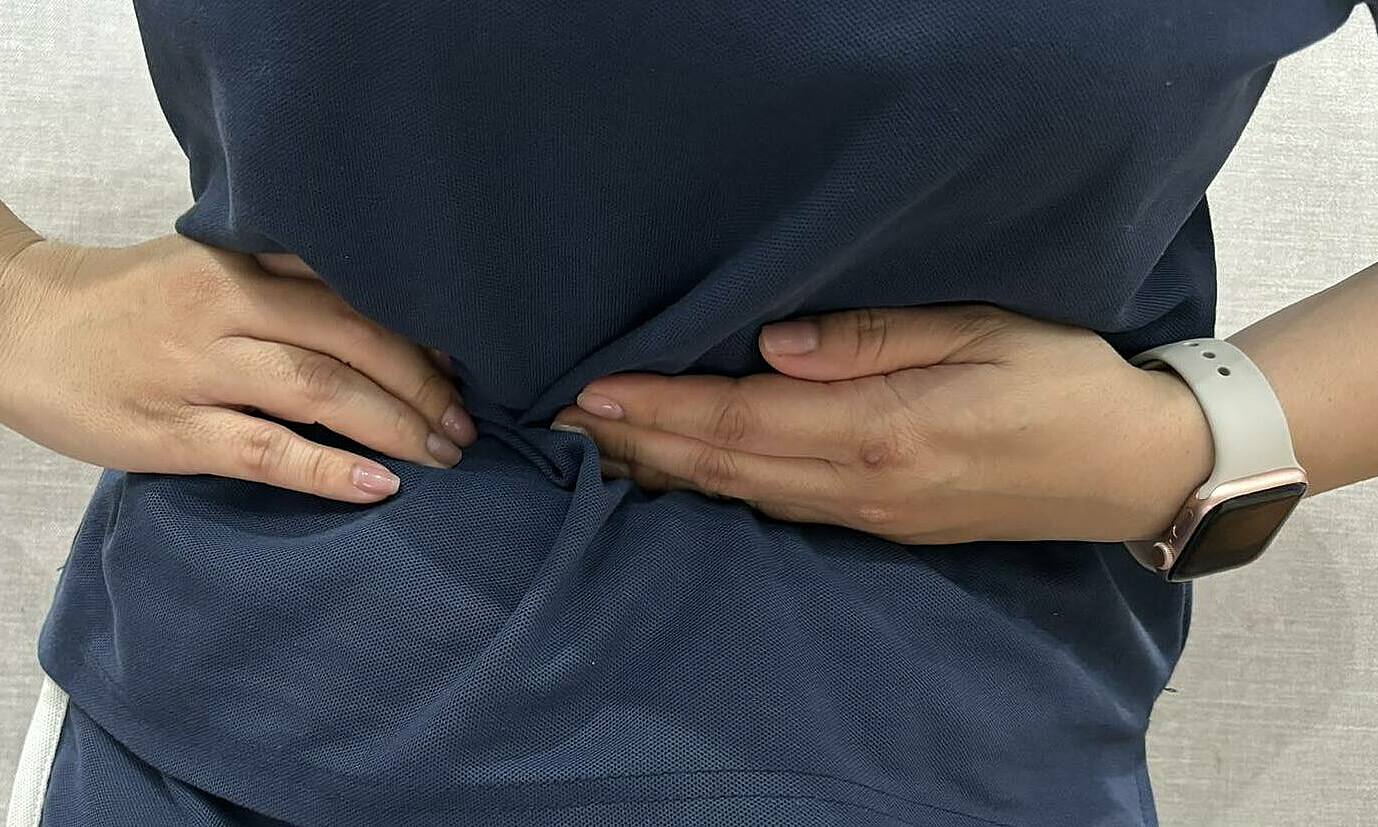
Doctor Nguyen Ba My Nhi, Director of the Center for Obstetrics and Gynecology, Tam Anh General Hospital Ho Chi Minh City, highlighted that complete placenta previa is particularly dangerous. It can lead to massive hemorrhage, postpartum hemorrhage, and premature birth. As a pregnancy advances, the lower uterine segment develops and the cervix changes, potentially stretching and rupturing blood vessels at the placental attachment site, which causes vaginal bleeding.
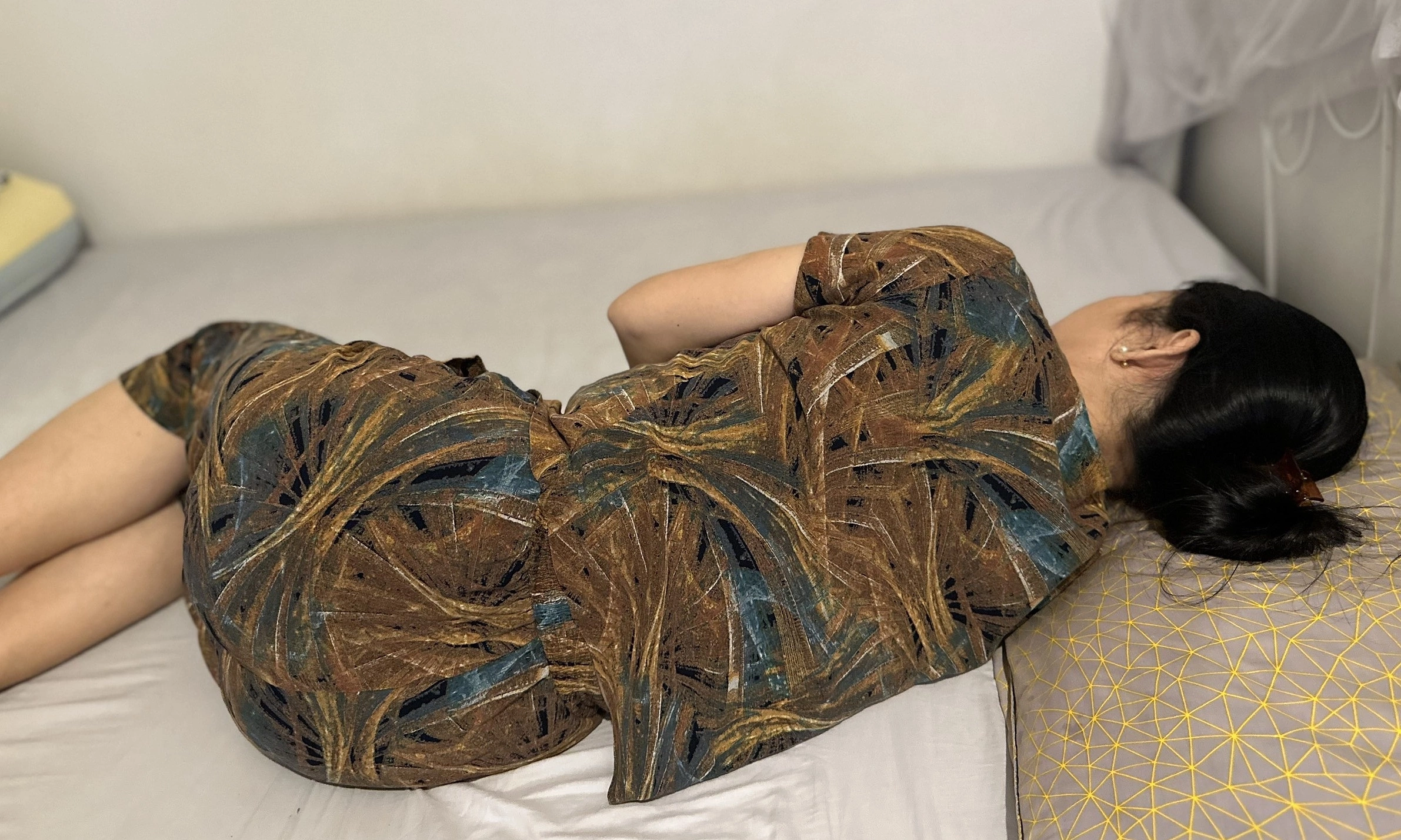
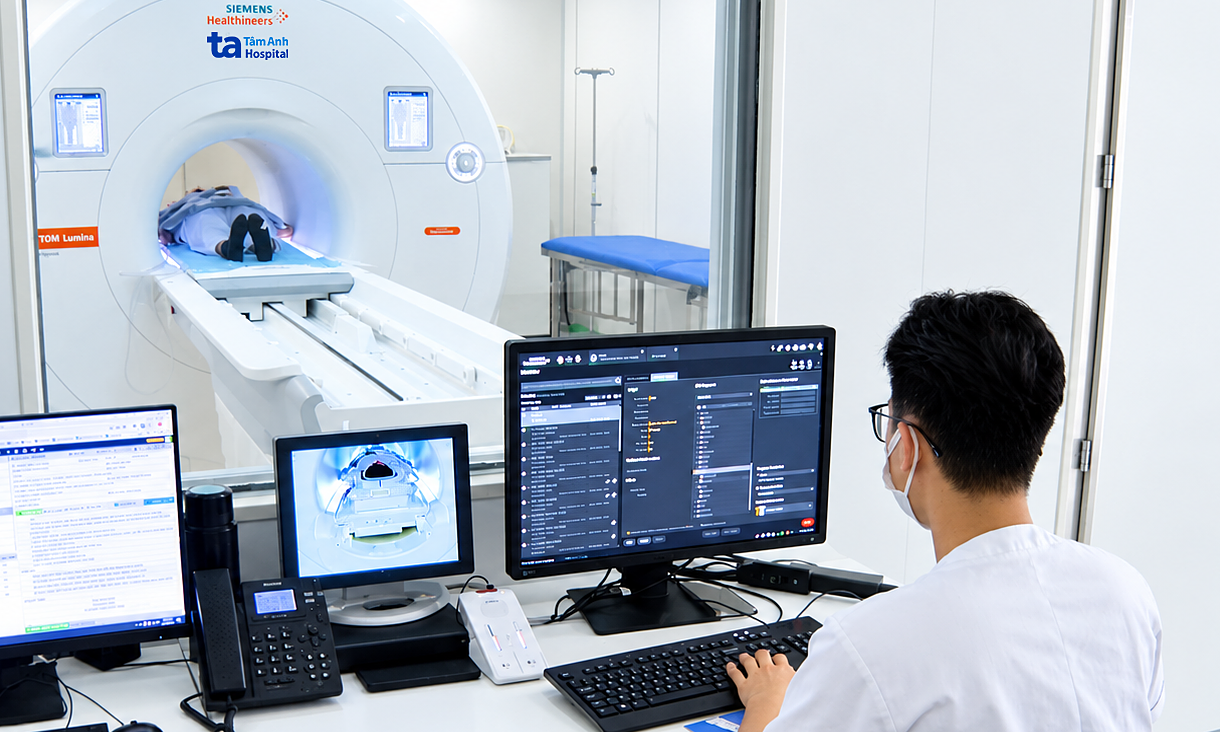
At 28 weeks gestation, Trang experienced vaginal bleeding and was admitted for monitoring. Doctors ordered an MRI to assess the placenta, check for placenta accreta risk, and evaluate the fetal condition. The results indicated the placenta had not invaded the uterine muscle, allowing the pregnancy to continue. She received uterine relaxants and corticosteroid injections to support fetal lung maturation, preparing for a possible early delivery.
After one week of treatment, Trang's bleeding stopped, her health stabilized, and the fetus continued to develop. Her pregnancy progressed smoothly to over 37 weeks. Following a comprehensive assessment of the mother's and fetus's health, the placenta's position, and the fibroids, the surgical team performed a planned cesarean section to prevent the risk of massive hemorrhage during labor.
 |
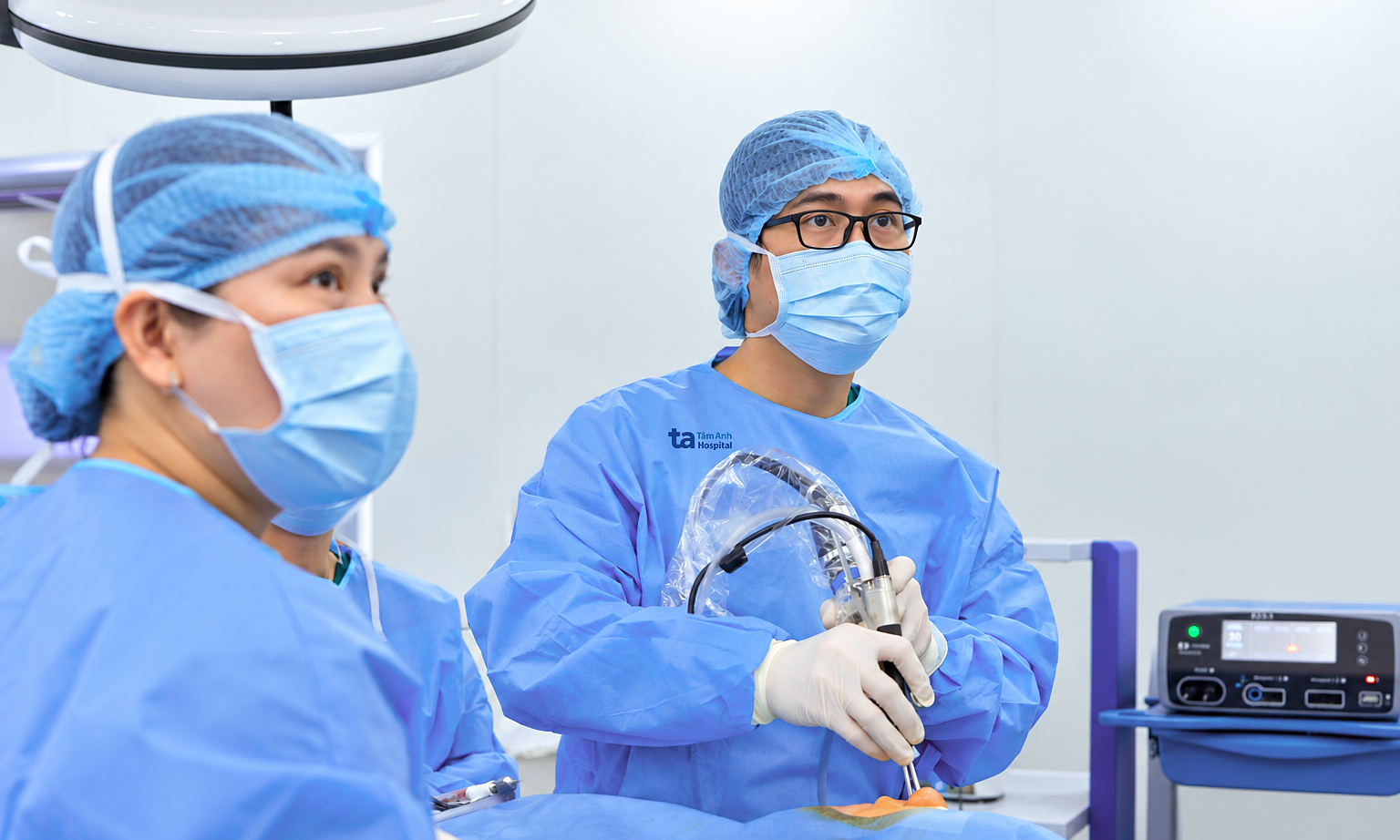
The team of doctors from the Center for Obstetrics and Gynecology performed three techniques simultaneously in the same operation. Photo: Tam Anh General Hospital |
A baby boy weighing 3,2 kg was safely delivered. Doctors administered medication to enhance uterine contractions, aiding uterine involution and natural placental detachment, thereby minimizing the need for manual removal.
Given Trang's placenta previa, history of two previous cesarean sections, and multiple uterine fibroids, her risk of postpartum hemorrhage was high. To proactively control potential bleeding, doctors decided to ligate the uterine arteries, which reduces blood flow to the uterus.
After the baby's safe delivery, the team proceeded to remove fibroids measuring 7x6x5 cm and 2x3x3 cm, located near the cesarean incision site in the uterine isthmus. Finally, doctors performed a bilateral tubal ligation for sterilization, fulfilling the patient's request.
 |
The baby boy had "skin-to-skin" contact with his father while his mother was undergoing surgery. Photo: Tam Anh General Hospital |
According to Doctor Nhi, combining these procedures in a single operation allowed doctors to proactively manage bleeding risks, address obstructing fibroids, and prevent unintended pregnancies as per the patient's wish. This approach spared the patient from needing additional separate surgeries for each issue, significantly reducing the number of anesthesias, operations, and overall treatment costs.
Doctor Nhi further emphasized that placenta previa increases the risk of prolonged hospitalization for monitoring, blood transfusions, premature birth, and hysterectomy due to a higher incidence of hemorrhage. To prevent dangerous obstetric complications, pregnant women diagnosed with placenta previa should strictly adhere to their prenatal check-up schedule for close medical monitoring and seek immediate attention if any unusual bleeding occurs.
Tue Diem
| Readers can submit questions about obstetrics and gynecology here for doctors to answer. |