Constipation
According to Very Well Health, many individuals occasionally need to delay bowel movements due to work or while driving. However, if this habit becomes frequent, stool can remain in the colon longer, continue to dehydrate, become hard and dry, leading to constipation.
Bloating and cramping
Regularly delaying bowel movements can increase the risk of constipation, causing stool to accumulate in the colon and result in bloating, abdominal distension, or discomfort. When stool remains in the intestines for an extended period, constipation can worsen, accompanied by feelings of fullness and unease.
 |
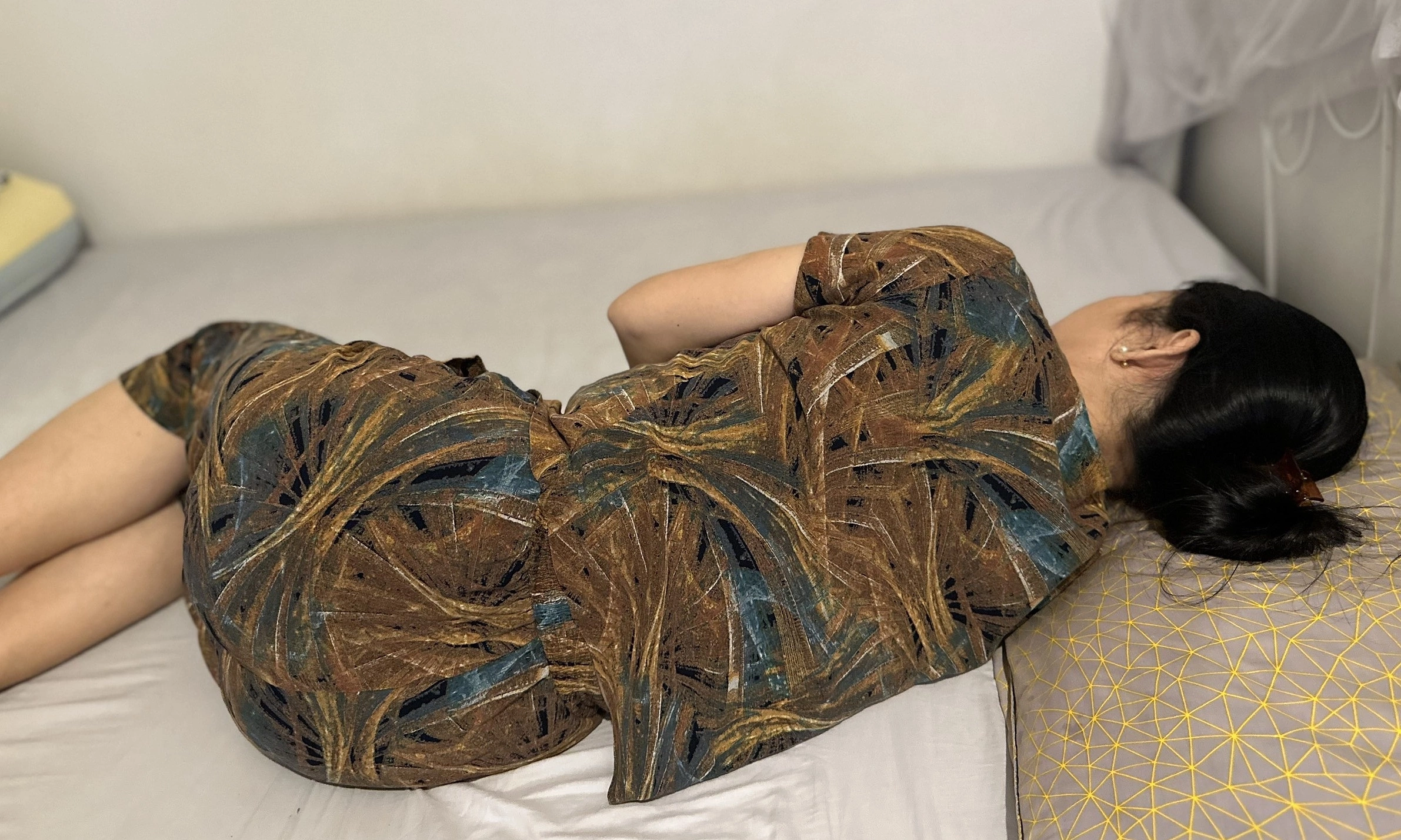
Holding bowel movements can cause abdominal pain. Illustration: Anh Chi |
Increased risk of rectal dilation
Holding bowel movements for a long time can cause the rectum to dilate, preventing it from functioning normally. Excessive rectal dilation makes it difficult for nerves to send signals to the brain; at this point, the urge to defecate may become distorted or gradually diminish, exacerbating constipation. Rectal dilation also increases the risk of fecal incontinence.
Risk of hemorrhoids
Hemorrhoids are swollen veins in the anus that can develop from prolonged sitting or straining during bowel movements. Frequently holding bowel movements can increase the risk of constipation, making defecation more difficult and requiring intense straining, which promotes the formation of hemorrhoids, causing pain and inflammation.
Fecal impaction
Regularly delaying bowel movements can contribute to constipation, causing stool to remain in the colon longer, becoming drier and harder. In severe cases, hardened stool can form a mass that causes impaction, compressing the intestinal wall, reducing blood flow to the intestinal tissue, and leading to ulcers or necrosis. This is a dangerous complication that requires timely detection and treatment, according to WebMD.
Loss of muscle control
Holding bowel movements for an extended period can lead to a loss of control over the related muscles. When sneezing or engaging in strenuous activities, stool may leak involuntarily, causing discomfort and affecting the patient's daily life and quality of life.
To maintain healthy bowel habits, individuals should use the restroom when they feel the urge, drink enough water, and increase fiber intake from vegetables, fruits, whole grains, and legumes. Additionally, regular exercise is recommended to support bowel motility, and fermented foods like yogurt and kimchi should be consumed to maintain a healthy gut microbiome.
By Anh Chi (Compiled)
| Readers can submit questions about digestive diseases here for doctors to answer |